The first cold morning of the season is a bad time to find out your heater has a problem. A professional heating tune-up gives your system a chance to be inspected, cleaned, and tested before it has to carry your family through chilly North Carolina nights. It is a practical appointment, not an unnecessary add-on: small airflow, electrical, or safety concerns are often much easier to address before they become a no-heat call.
For homeowners in Raleigh and surrounding communities, heating maintenance can be easy to postpone after a long, humid summer. But furnaces, heat pumps, and other home heating equipment sit unused for months, collecting dust and waiting for their busiest stretch of the year. Scheduling service ahead of the seasonal rush helps protect comfort when you need it most.
What Happens During a Heating Tune-Up?
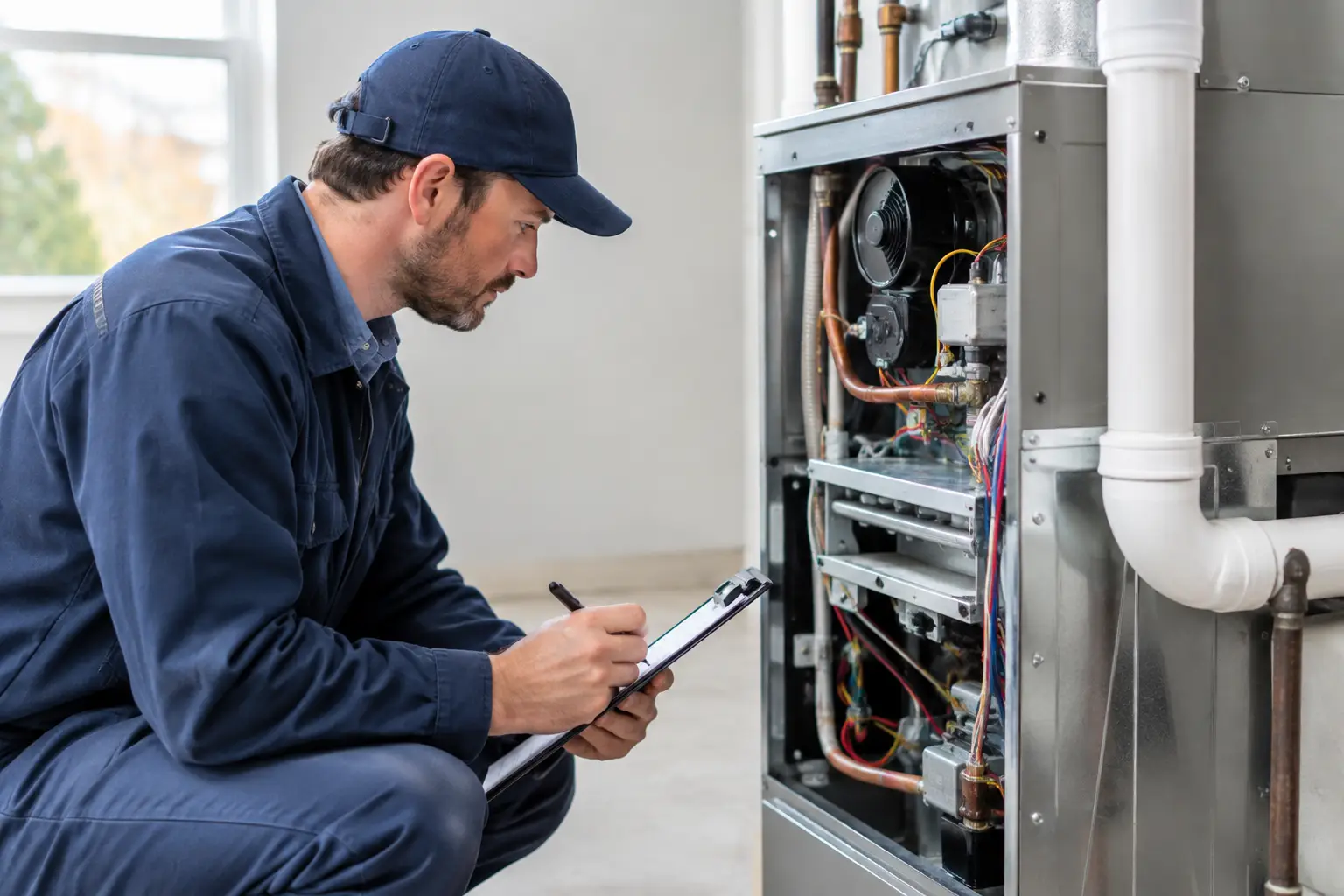
A thorough heating tune-up is more than turning the thermostat up and confirming that warm air comes out. A qualified technician evaluates how the system starts, runs, circulates air, and shuts down. The goal is to spot performance issues, verify safe operation, and give you a clear picture of your system’s condition.
The exact checklist depends on the equipment in your home. A heat pump needs attention to components that manage heating and defrost cycles, while a gas furnace requires careful inspection of fuel-burning and venting parts. Still, most maintenance visits include an assessment of the air filter, blower operation, electrical connections, thermostat performance, accessible ductwork, and condensate drainage where applicable.
For a furnace, the technician may inspect the burner assembly, ignition system, flame sensor, heat exchanger area, safety controls, and venting. For a heat pump, the visit can include checking refrigerant-related performance, inspecting the outdoor unit, evaluating the reversing valve cycle, and testing auxiliary heat operation. These checks help identify conditions that can affect comfort, efficiency, or safe performance.
Cleaning is also a meaningful part of maintenance. Dust and debris can restrict airflow, make moving parts work harder, and contribute to uneven heating. A technician can clean components that are safely accessible, then test the system under normal operating conditions. If an issue is found, you should receive a straightforward explanation of what it means, what repair is recommended, and the price before work begins.
Why Annual Heating Maintenance Is Worth Scheduling
Heating systems do not always fail without warning. A new rattle, longer run times, cool rooms, frequent cycling, or a thermostat that never seems to settle can point to a developing issue. Yet some concerns, including worn electrical connections or safety-control problems, may not be obvious to a homeowner at all. Routine service gives a trained professional the opportunity to catch those details.
The value is not limited to avoiding a breakdown. A clean, properly operating system can often heat the home with less strain than one dealing with airflow restrictions or neglected parts. Results vary with the age and condition of the equipment, insulation levels, thermostat settings, and duct design, so a tune-up cannot promise a particular utility-bill reduction. It can, however, help remove common maintenance-related obstacles to efficient operation.
Annual service also supports better planning. If a technician finds a repair that can wait, you have time to consider your options rather than making a rushed decision during a cold spell. If a system is nearing the end of its service life, you can begin budgeting for replacement on your terms. That is especially helpful for homeowners with older equipment or systems that have needed repeated repairs.
When Should You Schedule a Heating Tune-Up?
Early fall is usually the best time to schedule. Your system can be checked before regular heating demand begins, and appointment availability is often better before the first major cold snap. If fall gets away from you, it is still worthwhile to schedule maintenance during the heating season, particularly if your system has not been professionally serviced in the past year.
A yearly visit is a sound baseline for most residential systems. Homes with pets, high dust levels, older equipment, or family members sensitive to indoor air quality may benefit from closer attention to filters and airflow between visits. If you use a heat pump for both cooling and heating, seasonal maintenance is particularly useful because the equipment works throughout much of the year.
Do not wait for the annual appointment if you notice a possible safety or performance concern. Call for service sooner if you smell gas, notice burning odors that do not quickly fade after initial seasonal use, hear loud banging or grinding, see water around equipment, or have rooms that suddenly will not heat. A carbon monoxide alarm that activates requires immediate action: get everyone outside and contact the appropriate emergency resources.
What Homeowners Can Do Between Tune-Ups
Professional maintenance handles the technical inspection and testing, but a few simple habits can help your system operate more reliably through the season. Check your air filter regularly and replace it according to the filter type, household conditions, and manufacturer guidance. A clogged filter can reduce airflow and make the system run longer than necessary.
Keep supply and return vents open and clear of rugs, furniture, and storage. Closing vents in unused rooms may seem like an easy way to save energy, but many systems are designed to operate with balanced airflow. Blocking too many vents can create comfort issues and put unnecessary pressure on the system.
Pay attention to changes rather than trying to diagnose them yourself. Take note of unusual sounds, inconsistent temperatures, short cycling, or a sharp increase in heating costs. Sharing those observations with your technician can speed up the diagnostic process. It is also wise to test carbon monoxide alarms and smoke alarms according to their instructions, especially before the heating season begins.
Tune-Up, Repair, or Replacement: How to Decide
A tune-up is preventive maintenance, not a substitute for a needed repair. If the inspection reveals a failed part or a safety concern, the technician should explain the repair separately. In many cases, a targeted repair restores dependable operation and makes good financial sense.
Replacement may be worth discussing when an older system has recurring failures, costly repairs, declining comfort, or difficulty keeping up with demand. There is no single age at which every heater should be replaced. The better decision depends on repair history, the condition of major components, energy use, available budget, and how long you expect to stay in the home.
Ask clear questions before approving a major repair or replacement: What caused the problem? Is the repair expected to address it fully? Are there other worn components to watch? What are the practical options and costs? A professional recommendation should give you useful information, not pressure you into a decision.
Choose Service That Gives You Clear Answers
Your home heating equipment involves electrical components, moving parts, and, in some cases, combustion and venting systems. This is work best left to trained HVAC professionals. Look for a company that sends qualified technicians, provides transparent pricing, and takes the time to explain findings in plain language.
At Delta Heating, Cooling & Plumbing, our technicians use professional diagnostic tools and a homeowner-first approach to help families make informed decisions about their comfort systems. Whether your heater is running normally or showing early signs of trouble, a scheduled visit can provide the information you need without guesswork.
Before the next cold front arrives, give your heating system the same attention you give the rest of your home. A timely tune-up is a simple way to start the season with more confidence, cleaner airflow, and a clearer plan for whatever your system needs next.