
A water bill that jumps for no clear reason can be the first sign of a leak hiding behind a wall, beneath a floor, or along an underground water line. Professional plumbing leak detection helps homeowners find that water loss before a small repair turns into damaged flooring, mold growth, or a major plumbing emergency.
Hidden leaks are frustrating because the plumbing may still appear to work normally. Faucets run, toilets flush, and showers drain, while water continues to escape where it should not. The earlier the source is found, the more options you generally have for a focused repair instead of extensive restoration.
Signs You May Need Plumbing Leak Detection
Some leaks announce themselves with a steady drip under the kitchen sink. Others are far more subtle. Pay attention to changes in your home, especially when they appear without an obvious explanation.
A sudden increase in water use is one of the most useful warning signs. If your household routine has not changed but the bill has, a leaking toilet, supply line, fixture connection, or underground pipe may be using water around the clock. A water meter that continues to move after all fixtures and water-using appliances are off can point to the same problem.
Inside the home, look for damp spots on ceilings or walls, bubbling paint, warped baseboards, loose flooring, musty odors, or areas that feel unusually warm. A leak from a hot-water line below a slab can sometimes create a warm patch on the floor. In bathrooms, a toilet that refills on its own or runs intermittently often has an internal leak, even if there is no water on the floor.
Outside, soft or unusually green patches of grass can signal a leak in a buried water line. You may also notice water pooling near the foundation, soil that stays muddy after dry weather, or a persistent sound of moving water near a pipe. These signs do not prove the exact location of the problem, but they are good reasons to schedule a professional evaluation.
Why Hidden Leaks Are a Bigger Problem Than They Seem
Water follows the path of least resistance. That means a leak can begin at one connection and show up as staining or moisture several feet away. By the time visible damage appears, building materials may have been absorbing water for days or weeks.
In Raleigh-area homes, humid weather can make moisture issues harder to ignore. A plumbing leak adds more moisture to spaces that already need good airflow, including crawl spaces, bathrooms, laundry rooms, and utility areas. Left unaddressed, that moisture can damage wood framing, insulation, drywall, flooring, and belongings.
There is also a cost issue. Even a modest, continuous leak can waste a surprising amount of water over a month. A quick repair is usually less disruptive and less expensive than waiting until a pipe fails completely or water damages multiple rooms.
What You Can Check Before Calling a Plumber
Homeowners can perform a few simple checks safely, as long as there is no active flooding or sewage backup. These checks can help you describe the issue clearly when you request service.
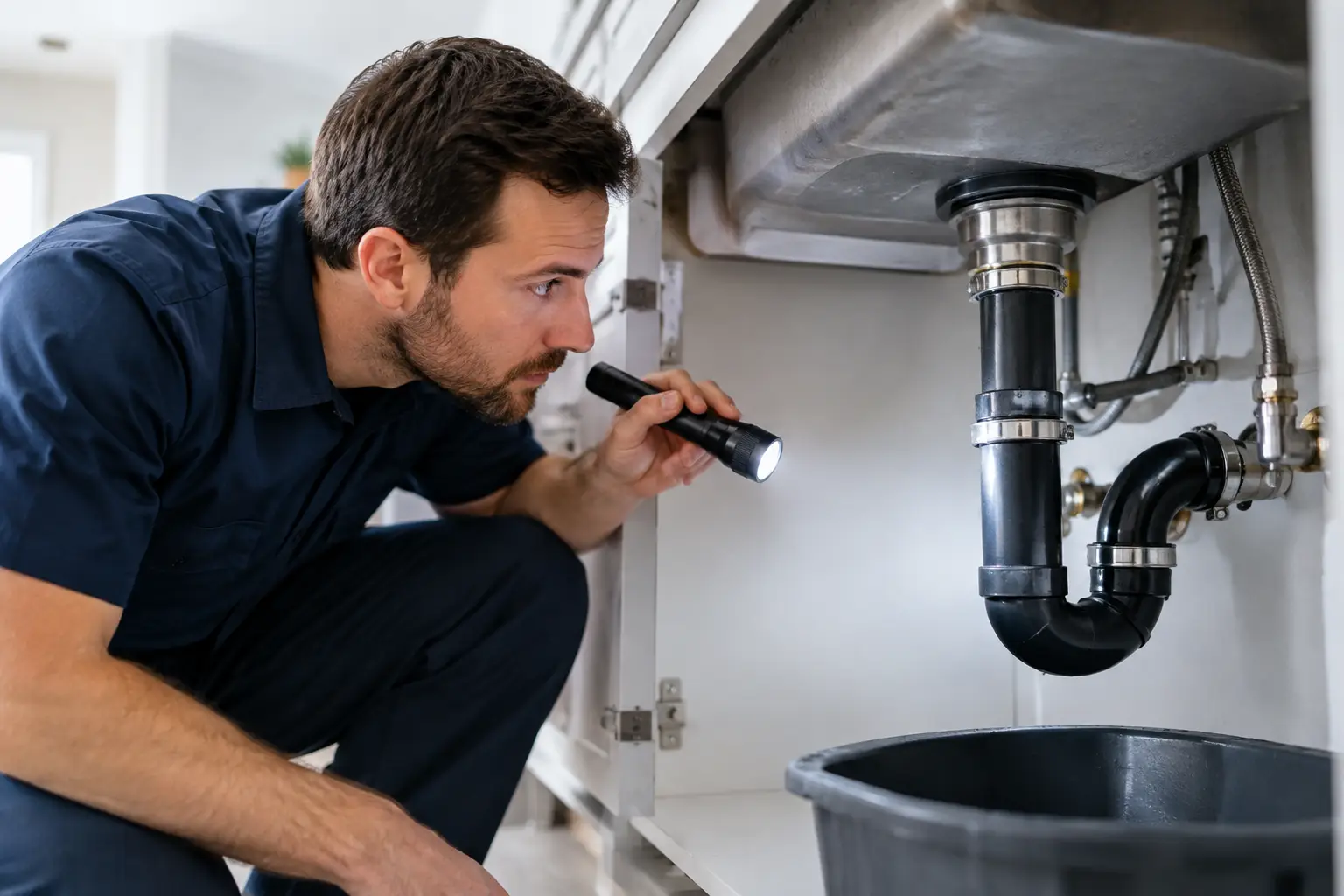
Start by checking visible areas beneath sinks, around toilets, behind washing machines, and near the water heater. Look for dripping, corrosion, moisture, or puddles. Do not tighten fittings aggressively or try to dismantle plumbing if you are unsure of the cause. A weakened connection can fail when disturbed.
Next, turn off faucets, irrigation controls, ice makers, and appliances that use water. Take a reading from your water meter, wait 30 to 60 minutes without using water, and check it again. If the reading changes, you may have a leak somewhere in the plumbing system. This test cannot identify the exact location, but it is valuable information for a technician.
Toilets deserve special attention because they can leak silently. Put a few drops of food coloring in the tank and wait about 15 minutes without flushing. If color appears in the bowl, water is passing through the toilet’s internal components. This is often a relatively straightforward repair, but it should not be ignored.
If you see active water coming through a ceiling, near electrical equipment, or close to your home’s foundation, turn off the main water supply if you can do so safely and request emergency plumbing service. Move valuables away from the affected area, but avoid entering spaces where ceilings are sagging or electrical hazards may be present.
How Professional Leak Detection Works
Effective leak detection is not guesswork. A trained plumbing technician begins with the visible evidence: water use, meter activity, fixture condition, moisture patterns, pipe access, and the age and layout of the home. From there, the diagnostic approach depends on where the leak is likely located.
For drains and sewer lines, camera-assisted inspections can show cracks, separation, root intrusion, blockages, or other issues inside the pipe. This is especially helpful when a problem is below ground or behind finished surfaces. For pressurized water lines, technicians may use specialized listening equipment, pressure testing, moisture detection tools, or thermal imaging to narrow the search area.
The goal is to locate the problem accurately while limiting unnecessary damage to walls, floors, landscaping, or concrete. No diagnostic method is identical for every home. A leak beneath a slab requires a different approach than a failed shower valve, a damaged pipe in a crawl space, or a toilet that quietly runs all day.
Once the source is identified, your technician should explain what was found, recommend repair options, and provide clear pricing before work begins. In some cases, a localized repair is the right answer. In others, repeated failures, aging pipe materials, or difficult access may make a larger repair or line replacement the better long-term value.
Do Not Ignore These Leak Warning Signs
A few situations call for prompt professional help rather than a wait-and-see approach:
- Water is actively flowing from a wall, ceiling, floor, or fixture connection.
- Your water meter moves when no water is being used in the home.
- You smell mildew or notice recurring moisture in the same area.
- Flooring is buckling, ceilings are stained, or drywall feels soft.
- You hear water moving when every faucet and appliance is off.
- The water bill has increased significantly without a clear reason.
Waiting can increase both the plumbing repair and the damage-restoration work that follows. Fast diagnosis protects more than the pipe itself. It helps protect the parts of your home the pipe serves.
Preventing Future Plumbing Leaks
Not every leak is preventable, but regular maintenance can reduce the chance of an unexpected failure. Check exposed supply lines periodically, replace worn toilet components, and watch for corrosion around valves, water heaters, and fixture connections. If your home has older plumbing, recurring leaks, or a history of water-line issues, ask a plumber about the condition of the system and which repairs deserve priority.
It also helps to know where your main water shutoff valve is located before an emergency. Make sure responsible household members know how to turn it off. That one step can limit damage while you wait for help.
For homeowners who want a clear answer without unnecessary disruption, Delta Heating, Cooling & Plumbing provides technology-enabled diagnostics and straightforward repair recommendations. A hidden leak does not get less expensive by staying hidden. If something in your home feels off, an early inspection can bring clarity and help you protect the space your family depends on.