
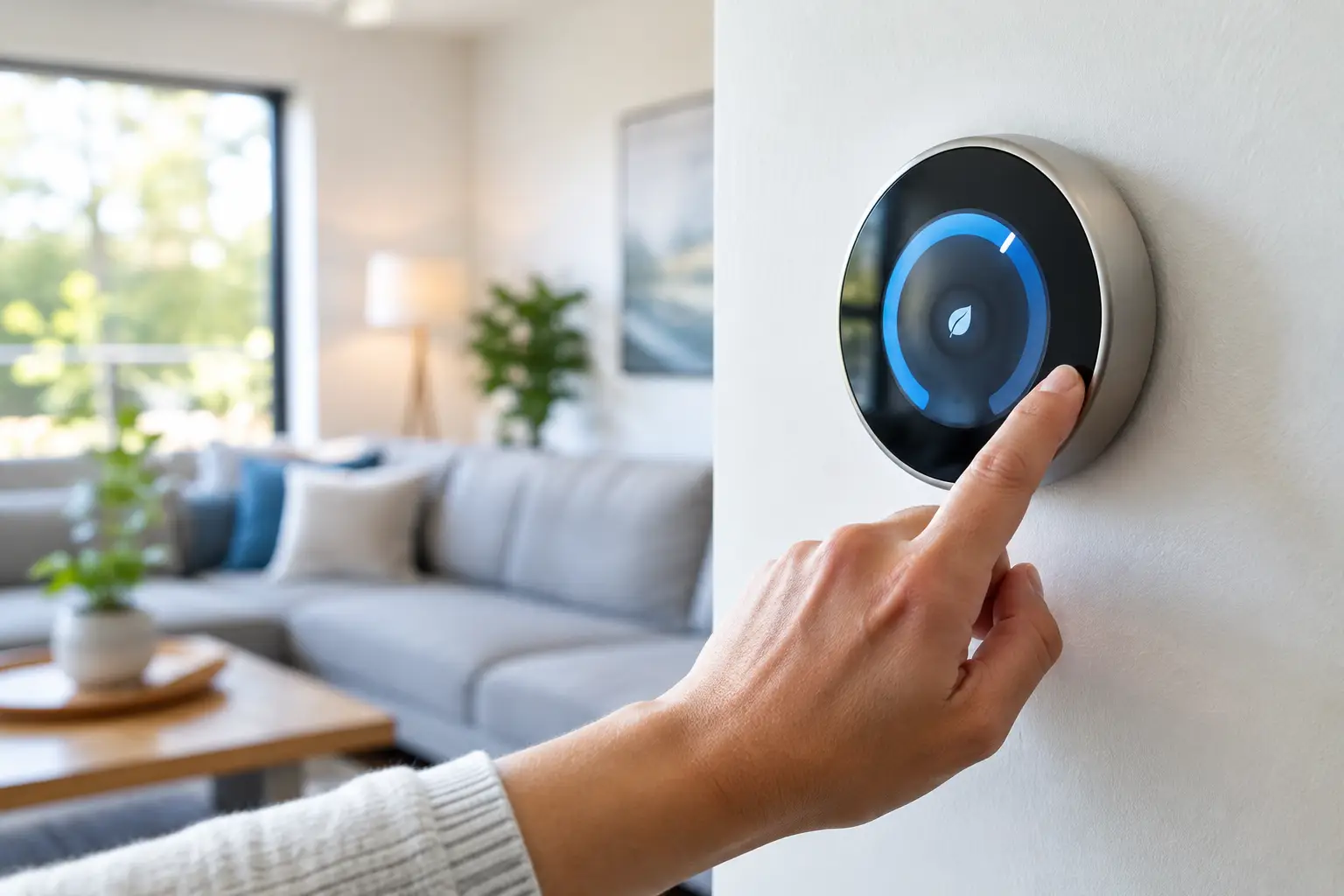
A thermostat setting that feels fine at breakfast can feel completely different by late afternoon in a Raleigh-area summer. The best air conditioner thermostat settings balance comfort, humidity control, household routines, and energy use without making your system run harder than necessary.
For many North Carolina homes, 78°F is a smart starting point when people are home and active. That number is not a rule that fits every household, though. A sunny upstairs bedroom, a home with several occupants, a work-from-home schedule, or a system that is struggling with humidity may call for adjustments.
Start at 78°F When You’re Home
Setting the thermostat to 78°F during the cooling season is a practical target for many homeowners. It can keep indoor conditions comfortable while reducing the amount of work required from the air conditioner compared with lower settings. Each degree lower generally increases cooling demand, especially during the hottest and most humid part of the day.
If 78°F feels too warm, try 77°F for several days before dropping further. Pay attention to where discomfort occurs. If one room is hot while the rest of the house is comfortable, lowering the entire thermostat may not solve the real issue. Closed vents, blocked returns, poor insulation, leaky ductwork, an aging system, or a second-floor airflow problem can all create uneven temperatures.
In a humid climate, comfort is about more than the number on the thermostat. At 76°F with high indoor humidity, a home can feel warmer and stickier than it should. A properly operating air conditioner removes moisture as it cools, which is one reason regular maintenance matters before summer heat settles in.
Best Air Conditioner Thermostat Settings for Your Schedule
The ideal setting changes based on whether your home is occupied. Rather than turning the system off when you leave, raise the setting modestly. Your home will gain heat quickly in the North Carolina sun, and allowing the indoor temperature to climb too high can leave the AC with a long recovery period later.
When the House Is Occupied
Use 78°F as the baseline, then adjust one or two degrees for your family’s comfort. Households with infants, older adults, certain health concerns, or people who work physically active jobs at home may reasonably prefer a cooler setting. The goal is steady comfort, not forcing the system to chase dramatic temperature changes all day.
Ceiling fans can help a 78°F room feel more comfortable because moving air helps moisture evaporate from skin. Fans cool people, not rooms, so turn them off when no one is using the space.
When Everyone Is Away
Raise the thermostat about 5 to 8 degrees while the home is empty for several hours. A setting around 83°F to 85°F works well for many households. This reduces cooling time without allowing excessive indoor heat buildup.
If you have pets at home, choose a setting that protects their comfort and follow any guidance from your veterinarian. Homes with humidity concerns may also need a smaller adjustment. Letting temperatures rise too far can make indoor humidity more difficult to manage when the system starts cooling again.
Overnight Settings
Many people sleep better in a slightly cooler room. Try 74°F to 76°F overnight, particularly if bedrooms are upstairs or receive afternoon sun. Bedding, sleepwear, window coverings, and a fan can often help you stay comfortable without setting the whole home dramatically lower.
A programmable or smart thermostat makes these changes easier. You can set a consistent schedule so the house begins cooling before you wake up or return home, rather than relying on daily manual adjustments.
Avoid Big Temperature Swings
It is tempting to set the thermostat very low after walking into a warm house. Setting it to 68°F will not cool the house faster than setting it to 74°F or 76°F. Most residential systems cool at a relatively steady rate. The lower setting simply tells the system to run longer, which can lead to an overly cold home and unnecessary energy use.
The same principle applies after a vacation. Bring the temperature down in reasonable steps and give the system time to do its job. If your AC runs continuously but the indoor temperature barely changes, that is not a thermostat problem. It may point to a dirty filter, refrigerant issue, electrical problem, airflow restriction, or equipment problem that needs professional diagnosis.
Humidity Changes the Answer
In the Triangle and surrounding communities, summer humidity can be as frustrating as the heat. Ideally, indoor relative humidity should usually stay around 30% to 50%. When it climbs above that range, rooms may feel muggy, musty, or warmer than the thermostat reading suggests.
Avoid turning the thermostat down several degrees just to compensate for sticky air. First, check the basics. Make sure the air filter is clean, exterior doors and windows are closed tightly, and supply vents are open and unobstructed. Also make sure the thermostat fan setting is set to Auto rather than On. In Auto mode, the blower shuts off when the cooling cycle ends, helping moisture drain away as intended. A fan that runs continuously can sometimes circulate moisture back into the home.
Persistent humidity can indicate that the air conditioner is oversized, undersized, poorly maintained, or dealing with drainage or airflow issues. A technician can check system performance instead of asking you to guess at the thermostat.
Settings That Can Waste Energy or Stress Your System
The thermostat is only one piece of home comfort, but a few common habits create avoidable problems:
- Setting the temperature extremely low in hopes of faster cooling.
- Turning the system completely off during hot, humid workdays.
- Closing too many supply vents to force air into other rooms.
- Placing lamps, TVs, or other heat-producing devices near the thermostat.
- Forgetting to replace a dirty air filter on schedule.
Your thermostat should also be located away from direct sunlight, kitchen heat, and supply vents. If it reads the temperature inaccurately, the system cannot respond accurately. A thermostat that is old, poorly placed, or malfunctioning can cause short cycling, inconsistent comfort, and higher utility bills.
A Practical Summer Thermostat Plan
For a typical household, start with 78°F while home, 83°F to 85°F while away, and 74°F to 76°F overnight if cooler sleeping conditions are needed. Keep the difference between settings reasonable and give each adjustment a few days before deciding whether it works.
Then look beyond the thermostat. Use blinds or curtains against afternoon sun, keep filters clean, seal obvious air leaks, and schedule seasonal AC service. These steps help the system maintain the temperature you choose with less strain.
If your home still has hot rooms, high humidity, weak airflow, or a system that cannot keep up, a certified technician can identify the cause and provide clear options. Delta Heating, Cooling & Plumbing helps homeowners pinpoint comfort problems before they turn into a midsummer breakdown. A well-set thermostat should support your comfort, not make you wonder whether your air conditioner is keeping up.