
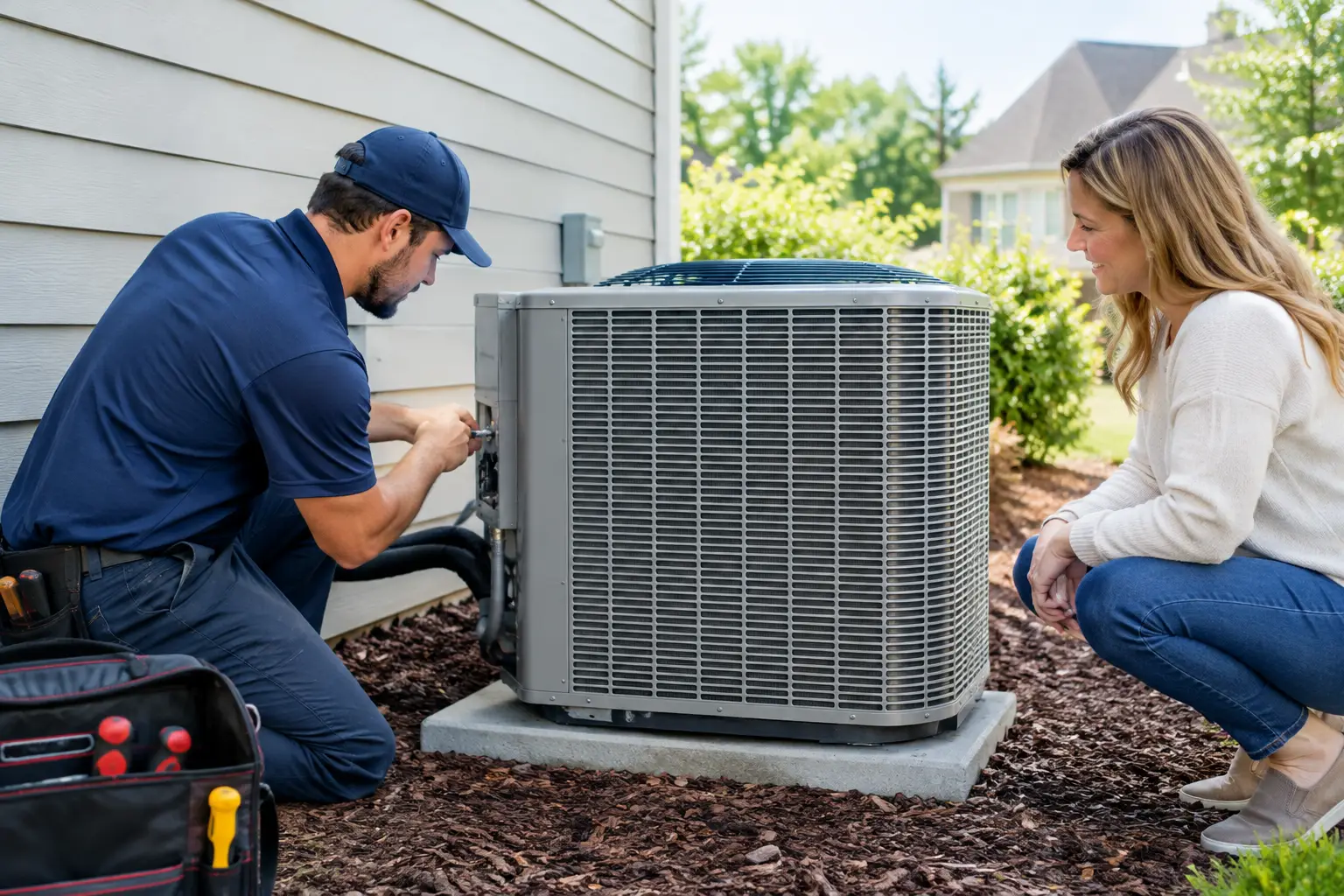
A new air conditioner is easy to overlook until the old one struggles through another humid Raleigh summer. Then every hot bedroom, rising utility bill, and repair appointment makes the decision feel urgent. A professional AC installation should replace that uncertainty with a clear plan: the right equipment for your home, a careful installation process, transparent pricing, and comfort you can count on when temperatures climb.
For most homeowners, the best replacement is not simply the largest system or the lowest initial price. It is the system that is properly matched to the house, installed with care, and supported with routine maintenance after the work is done.
When AC Installation Makes More Sense Than Another Repair
An air conditioner does not need to fail completely before replacement becomes the practical choice. If repairs are becoming frequent, rooms cool unevenly, or the system runs for long stretches without bringing down the temperature, it may be time to consider a new unit. Systems near the end of their expected service life can also become more expensive to keep running, particularly when a major component fails.
The decision depends on the repair itself. A minor repair on a system that has otherwise been dependable may be worthwhile. A costly repair on an older system with recurring issues is different. In that situation, putting more money into equipment that may need replacement soon can be frustrating and costly.
Homeowners should also pay attention to comfort changes. Excess humidity indoors, weak airflow, unusual cycling, hot upstairs rooms, and steadily higher energy bills can point to more than a simple mechanical problem. They may indicate that the existing system is worn out, incorrectly sized, or no longer suited to the home’s needs.
A qualified technician can explain the condition of the current equipment, outline the repair option, and provide a straightforward replacement recommendation. A free second opinion can be especially helpful when the diagnosis involves a major repair or a full system replacement.
AC Installation Starts With Proper Sizing
The most important part of AC installation happens before equipment arrives at your home. Your contractor should evaluate more than square footage. Cooling needs are shaped by the home’s layout, insulation, window placement, ceiling height, sun exposure, ductwork, number of occupants, and areas that are difficult to keep comfortable.
An oversized air conditioner is not automatically better. It can cool the home too quickly and shut off before removing enough moisture from the air. In North Carolina’s humid climate, that can leave rooms feeling cool but clammy. Short cycling may also increase wear on equipment.
A system that is too small has the opposite problem. It may run nearly nonstop during the hottest afternoons, struggle to reach the thermostat setting, and place unnecessary strain on components. Proper sizing helps balance temperature control, humidity removal, energy use, and equipment longevity.
Ductwork deserves the same attention. Even a high-efficiency system cannot perform as expected if conditioned air leaks into an attic, return ducts are restricted, or certain rooms receive too little airflow. During an in-home evaluation, ask whether the duct system, thermostat location, and electrical components are ready for the new equipment. Addressing these details during installation is usually easier than trying to solve comfort problems later.
Efficiency Is About More Than the Equipment Rating
Higher-efficiency equipment can reduce energy use, but the best choice depends on how long you expect to stay in the home, your household’s comfort priorities, and your budget. A homeowner planning to remain in the house for many years may see greater value in a more efficient option. For others, a dependable mid-range system that is correctly installed may be the better fit.
Efficiency also depends on installation quality. Refrigerant charge, airflow, duct condition, electrical connections, drainage, and thermostat setup all affect real-world performance. This is why comparing estimates should involve more than comparing model numbers or a single bottom-line price.
What a Professional AC Installation Visit Should Include
A well-organized replacement project begins with a clear scope of work. Before installation day, you should understand what equipment is being replaced, what changes are needed, how long the work is expected to take, and what the total price includes. If there are options for improving airflow, indoor air quality, or temperature control in problem areas, your technician should explain the benefits and trade-offs without pressure.
On installation day, the crew should protect the work area, safely remove old equipment, and install the new system according to manufacturer requirements and local codes. The outdoor unit, indoor equipment, refrigerant lines, condensate drain, electrical connections, and thermostat all need to work together. A rushed installation can create avoidable issues, including drainage leaks, inconsistent cooling, noisy operation, and premature equipment wear.
Once the equipment is in place, testing matters. Technicians should verify system operation, airflow, temperature response, drainage, and thermostat functions before the job is complete. They should also show you how to use the thermostat, explain filter replacement, and answer questions about normal operation.
For homeowners, the goal is simple: you should not be left guessing whether the system is working properly or what to do next. Certified technicians and diagnostic tools help confirm that the system is set up for reliable performance from the start.
Questions That Help You Compare Installation Estimates
A replacement estimate should give you enough information to make a confident decision, not just a price that leaves important details unanswered. Ask whether the proposed system was sized for your specific home and whether your ductwork was evaluated. Confirm what is included in the quoted work, including removal of old equipment, thermostat work, electrical updates, permits when required, and any necessary drainage improvements.
It is also reasonable to ask about warranty coverage, ongoing maintenance needs, expected installation timing, and available financing options. A lower estimate can be appealing, but it may not include critical parts of the job. Conversely, the highest-priced option is not always the right one if it adds features your household will not use.
Look for a contractor who explains the recommendation in plain language and provides transparent pricing before work begins. You deserve to understand what you are buying, why it fits your home, and what your next steps will be.
Prepare Your Home for Installation Day
Most AC replacement appointments go more smoothly with a little preparation. Clear a path to the indoor equipment and outdoor unit, move fragile belongings away from the work area, and make arrangements for pets to stay comfortable and secure. If the system is located in an attic, garage, closet, or crawl space, make sure the access route is available.
It is also helpful to write down any comfort concerns before the technicians arrive. Mention rooms that stay warmer than others, times of day when humidity feels worse, unusual noises, and thermostat issues. These details can help the installation team identify whether adjustments or airflow improvements are needed as part of the project.
Expect some normal disruption while the old equipment is removed and the new system is connected. Your home may be without cooling for part of the day, depending on the scope of the work. A professional team will keep you informed and leave the work area clean when the job is finished.
Protect Your New System After Installation
A new system needs regular attention to continue operating efficiently. Replace or clean filters as recommended, keep the outdoor unit clear of leaves and debris, and avoid blocking supply or return vents with furniture. These simple habits support airflow and reduce unnecessary strain.
Seasonal maintenance is equally valuable. A tune-up gives a technician the opportunity to inspect electrical components, check refrigerant performance, clean key parts, test drainage, and spot small concerns before summer demand puts the system under pressure. Maintenance plans can make this routine care easier to schedule and help homeowners stay ahead of preventable breakdowns.
If you notice weak airflow, water near indoor equipment, new noises, or a sudden drop in comfort after installation, call for service promptly. Early attention can often prevent a small issue from becoming a larger repair.
The right AC replacement should make home life more comfortable, not more complicated. Delta Heating, Cooling & Plumbing can help Raleigh-area homeowners understand their options, receive a clear estimate, and move forward with an installation designed for dependable summer comfort.