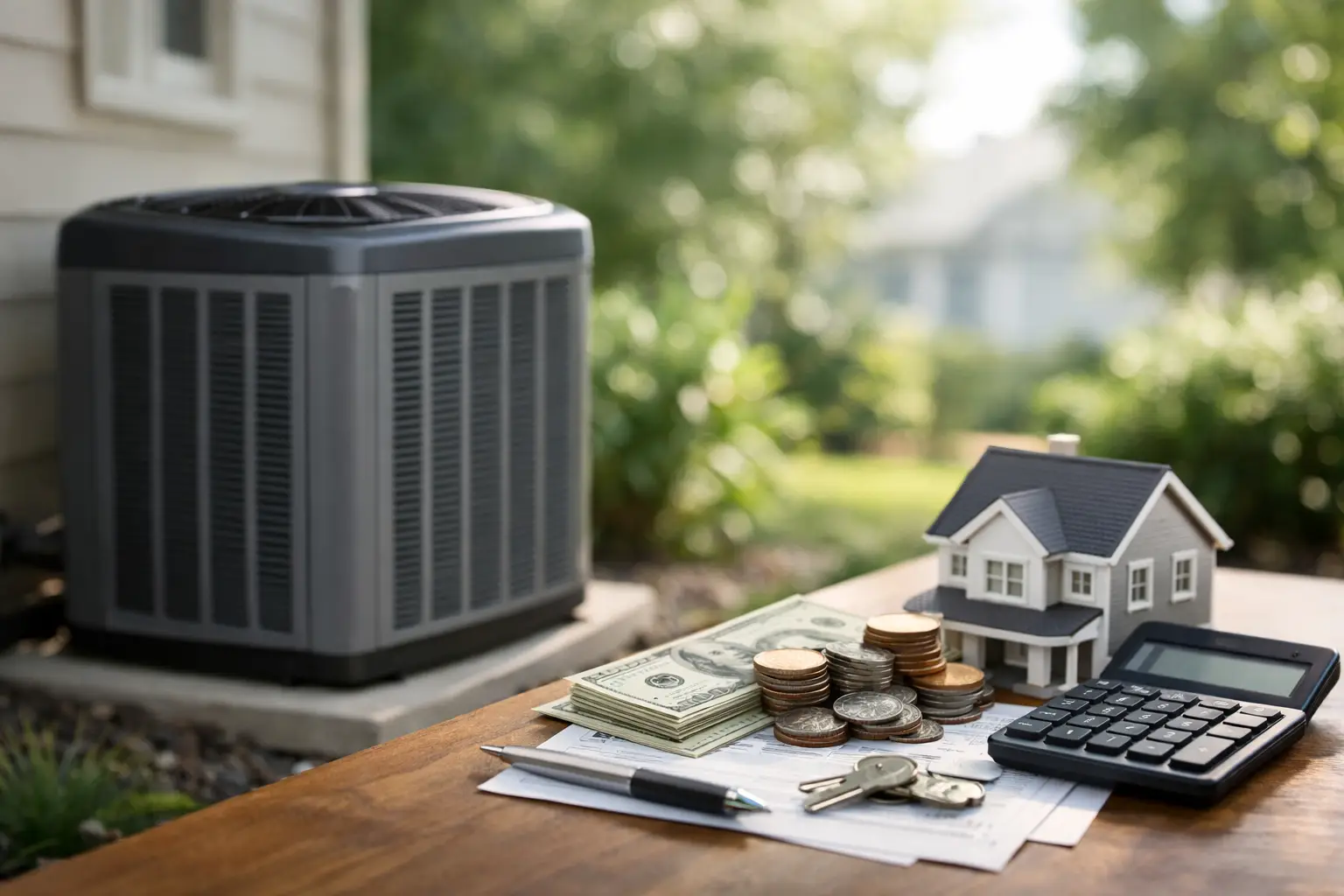
A failing air conditioner rarely waits for a convenient time. It often happens during a sticky Raleigh afternoon, when the system runs constantly but the house never cools down. Air conditioner replacement financing can help homeowners move forward with a needed upgrade without draining savings all at once – but the right payment plan depends on the system, the terms, and your household budget.
Replacing an AC is a major home decision, not a purchase to rush through because of one hot day. A qualified technician can help confirm whether replacement is truly the better value, explain what the estimate includes, and provide clear financing information before work begins. That gives you room to focus on dependable comfort rather than making a decision under pressure.
When Financing an AC Replacement Makes Sense
Financing is not only for emergency breakdowns. It can be a practical option when an older system is becoming expensive to repair, energy bills are rising, or you want to replace equipment before the hottest part of the North Carolina summer. Instead of postponing the work and risking a complete failure, monthly payments may let you install a more reliable and efficient system sooner.
It can also make sense when a repair is technically possible but no longer economical. If a system needs a costly major component, uses an outdated refrigerant, or has required several service calls in recent years, putting more money into it may not be the best long-term answer. The right choice still depends on the repair cost, the age and condition of the equipment, and how well it has cooled your home.
For some homeowners, paying cash remains the simplest option. It avoids interest and gives you a clean break from the expense. Financing may be more useful if using all available savings would leave too little room for other household needs, such as car repairs, insurance deductibles, or an unexpected plumbing issue.
Understand the Full Replacement Price First
Before comparing payment options, make sure you are comparing complete replacement estimates. An air conditioner is not just an outdoor unit. Proper installation may include an indoor coil, electrical work, drain protection, refrigerant lines, a thermostat, duct adjustments, permits, startup testing, and removal of old equipment. The exact scope varies by home and system design.
A lower initial price is not automatically the lower overall cost. If an estimate leaves out necessary work, the final bill can change. Ask for an itemized, easy-to-understand proposal and have the contractor explain why each recommendation is being made. Transparent pricing matters most when you are making a long-term decision.
System size matters, too. Bigger is not always better. An oversized AC can cool too quickly, shut off early, and struggle to remove humidity. An undersized system may run for long periods without keeping up. A professional should evaluate the home rather than select equipment based only on the size of the old unit.
Efficiency Can Affect the Monthly Picture
A high-efficiency system may cost more upfront, which can change the amount you finance. However, it may reduce electricity use compared with an aging, inefficient unit. The actual savings depend on your home, insulation, thermostat habits, duct condition, local energy rates, and how hard the system works during the season.
It is reasonable to ask about several system options: a dependable baseline replacement, a higher-efficiency choice, and any features that improve comfort or humidity control. Look at the installed price, estimated operating costs, warranty coverage, and payment terms together. The least expensive equipment is not always the best value, but the highest-rated system is not automatically the best fit either.
How Air Conditioner Replacement Financing Works
Air conditioner replacement financing is generally offered through a third-party lender. After reviewing your system options and estimate, you complete an application. If approved, the lender provides available plans based on factors such as creditworthiness, the project amount, and current program terms.
Some plans use fixed monthly payments over a set number of months. Others may offer promotional periods with special terms. Every plan has details worth reading closely, including the annual percentage rate, payment amount, length of the repayment period, late-payment policies, and whether interest may be charged later under certain promotional arrangements.
Do not focus only on the monthly payment. A smaller payment can feel easier today but may mean a longer term and more interest paid over time. Conversely, a shorter plan can reduce the total financing cost but require a higher monthly commitment. The best balance is one your household can comfortably maintain.
Questions to Ask Before You Apply
A financing conversation should be clear, not confusing. Before signing, ask these questions:
- What is the total amount being financed, including all installation work and applicable fees?
- Is the interest rate fixed, and what is the annual percentage rate?
- How many monthly payments will I make, and what will each payment be?
- Is this a deferred-interest promotion, and what happens if the balance is not paid in full by the deadline?
- Are there prepayment penalties if I decide to pay the balance off early?
- What warranties apply to the equipment and the installation?
Keep a copy of the agreement and review the first statement when it arrives. If any number differs from what you expected, contact the lender promptly. A reputable home-service company should make it easy to understand the project estimate, while the lender should provide the full financing terms.
Avoid Letting a Payment Plan Drive the Equipment Choice
A payment plan should support a sound replacement decision, not push you into equipment you do not need. Start with the comfort problems you want to solve. Maybe certain rooms stay warm, indoor air feels damp, or the old system needs frequent repairs. Then ask which equipment and installation improvements address those concerns.
For example, a variable-capacity system may offer better humidity management and steadier temperatures in some homes, but it comes with a higher upfront cost. A single-stage system may be a sensible, dependable fit for another household. Duct repairs, a new thermostat, or indoor air quality accessories may also be valuable, but only when they solve a real issue identified during the evaluation.
This is where a free second opinion can be helpful. If you received a recommendation that feels unclear or unusually expensive, another qualified assessment can confirm the system condition, sizing approach, and scope of work. You deserve to know whether replacement is necessary and what you are paying for.
Plan Ahead When Your System Is Still Running
The best time to consider financing is often before the AC stops completely. If the equipment is more than 10 years old, has needed repeat repairs, or is losing cooling performance, schedule an evaluation while you still have time to compare options. You will be in a better position to review payment terms instead of making a same-day decision during an emergency.
Regular maintenance can also help you plan. Seasonal tune-ups give technicians a chance to identify worn electrical components, airflow restrictions, refrigerant concerns, and drainage problems early. Maintenance cannot make an aging system last forever, but it can reduce surprise breakdowns and give you better information about when replacement may be approaching.
For homeowners who need fast help, Delta Heating, Cooling & Plumbing provides professional system evaluations and clear replacement estimates, with financing options available for qualified customers. Certified technicians can help you understand the condition of your current equipment, the installation choices for your home, and the next practical step.
A new air conditioner should bring relief, not another source of uncertainty. Take the time to compare the complete installed cost, repayment terms, comfort benefits, and contractor qualifications. Then choose the option that protects your home comfort while keeping your budget on solid ground.