A room can look spotless and still hold the things that make your family uncomfortable: pollen brought in from outdoors, pet dander, cooking odors, dust, and fine particles that circulate whenever the HVAC system runs. The right air purifier installation can help address those concerns at the source, but only when the equipment fits your home, your existing system, and the way your family lives.
For homeowners across the Raleigh area, indoor air quality is more than a seasonal issue. Spring pollen, humid summers, pets, busy households, and tightly sealed homes can all contribute to air that feels stale or irritating. Choosing an air cleaner is a good first step. Choosing the right type and having it installed correctly is what helps it perform as intended.
Start With the Air Quality Problem You Want to Solve
Air purifiers are not all designed to do the same job. Some are built to capture airborne particles, while others focus more on odors and certain gaseous pollutants. A system that works well for pet dander may not be the best answer for lingering kitchen smells, and neither option can replace fixing a moisture problem, a damaged duct, or an HVAC system that is not operating properly.
Before selecting equipment, consider what you notice most often in your home. Are family members dealing with allergy symptoms? Does dust seem to return immediately after cleaning? Are there pets, smokers, strong cooking odors, or rooms that always feel stuffy? These details help a qualified technician recommend a practical solution instead of treating every indoor air concern with the same product.
It also helps to set realistic expectations. An air purifier can reduce many airborne contaminants, but it cannot make a home completely particle-free. Regular filter changes, good housekeeping, humidity control, and routine HVAC maintenance still matter.
Portable Units vs. Whole-Home Air Purifier Installation
A portable unit can be useful in one bedroom, a nursery, or a home office. It is generally the simpler choice when the concern is limited to a single occupied room. However, its effectiveness depends on the room size, placement, fan speed, and whether doors stay open or closed. A small portable purifier cannot effectively clean the air throughout a large, open home.
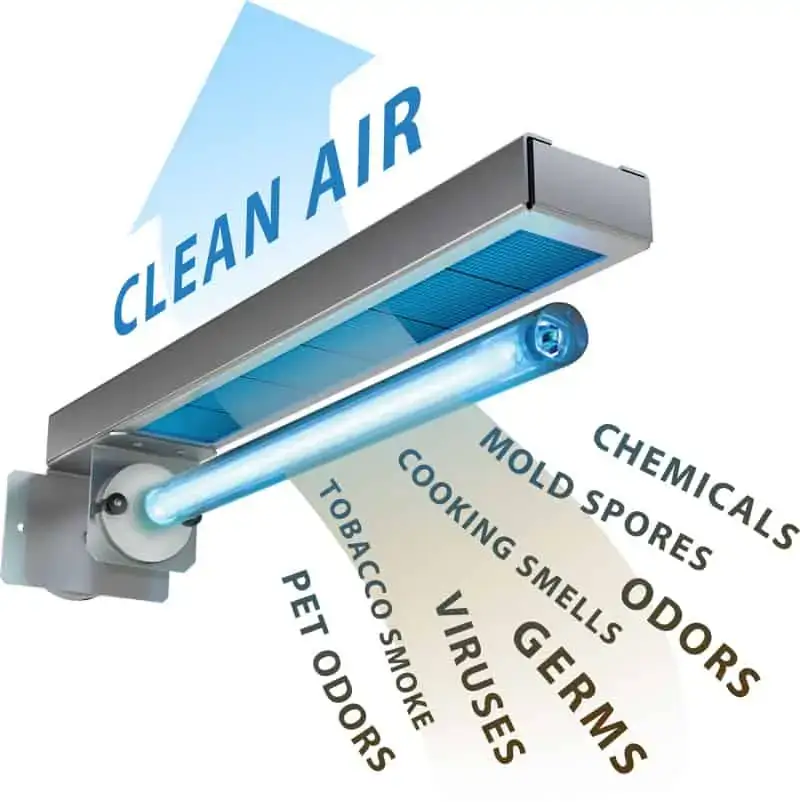
A whole-home air purifier is installed as part of the heating and cooling system. As air moves through the return ductwork, the purifier treats it before conditioned air is sent back through the home. This approach can provide broader coverage without adding a separate appliance to each room.
Whole-home systems are often a strong fit for households that want consistent filtration throughout the house, especially when allergy symptoms, dust, or pet dander affect more than one area. The trade-off is that installation requires an evaluation of the HVAC equipment, duct configuration, airflow, and available space. It is not a one-size-fits-all upgrade.
Why Professional Installation Makes a Difference
An air purifier must be correctly sized and located to avoid creating new HVAC problems. If a filtration product restricts airflow too much, your heating and cooling system may have to work harder to move air. That can affect comfort, raise operating costs, and contribute to avoidable wear on system components.
During a professional evaluation, a technician should look at your system’s filter setup, blower capacity, ductwork condition, and the type of indoor air issue you are trying to improve. They can also explain the maintenance requirements before installation, including which filters need replacement and how often service may be needed.
For whole-home equipment, the location within the duct system matters. The purifier needs to be positioned so air passes through it properly and so technicians can safely access it for future maintenance. Electrical connections, cabinet sealing, and airflow direction also need to be handled correctly. Details like these are easy to overlook, but they influence performance every day your HVAC system operates.
What to Expect During Installation
Most residential air purifier installations begin with a conversation about your home and concerns, followed by an inspection of the HVAC system. The technician will verify that the selected equipment is compatible and identify the best installation point. If duct modifications or electrical work are needed, those requirements should be clearly explained before work begins.
Once the system is installed, the technician should check operation, confirm that the HVAC equipment is moving air as expected, and show you how to access filters or other serviceable parts. This is also the right time to ask practical questions. Find out what signs indicate a filter needs changing, whether your thermostat fan settings affect performance, and what maintenance should be included with seasonal HVAC service.
At Delta Heating, Cooling & Plumbing, clear communication is part of the job. Homeowners deserve straightforward recommendations and transparent pricing, especially when considering an upgrade that works alongside a major home system.
Placement and Airflow Still Matter
Even with a whole-home solution, the HVAC system must be able to distribute treated air effectively. Closed supply vents, blocked return grilles, dirty filters, and poorly balanced airflow can limit results. Keep furniture, rugs, and storage items away from return vents so the system can pull air in without obstruction.
If you use a portable purifier in addition to central filtration, place it where people spend the most time and where airflow around the unit remains open. Avoid tucking it behind furniture or setting it directly against a wall. In a bedroom, leaving the door closed may help the unit focus on that space, but it will not improve air in the rest of the house while it is running.
Humidity deserves attention, too. North Carolina summers can bring indoor moisture concerns, and high humidity can make a home feel less comfortable even when the temperature is correct. An air purifier is not a dehumidifier, and it will not correct water intrusion or excessive moisture. If you see condensation, smell musty odors, or notice recurring mildew, address the cause rather than relying on air treatment alone.
Maintenance Protects Your Investment
Air purification equipment works by collecting or treating contaminants that pass through it. Over time, filters load up and performance can decline. Waiting until a filter is visibly dirty is not always the best approach because restrictions may already be affecting airflow.
Follow the recommended maintenance schedule for your specific system, but adjust when conditions call for it. Homes with multiple pets, frequent pollen exposure, renovation dust, or heavy HVAC use may require more frequent filter attention. Keeping up with annual heating and cooling maintenance gives a technician an opportunity to inspect the air purifier, verify airflow, and catch small concerns before they affect comfort.
Do not forget the basics. Change standard HVAC filters on schedule, keep return grilles clear, and use kitchen and bathroom exhaust fans when appropriate. These habits reduce the burden on your purification equipment and support cleaner indoor air overall.
When an Air Purifier May Not Be the First Fix
If one room is consistently dusty, uncomfortable, or hard to heat and cool, the issue may involve duct leakage, insulation, airflow balance, or equipment performance. Likewise, a burning smell, unusual HVAC noise, visible mold, or sudden worsening of indoor air quality calls for a professional inspection rather than a quick equipment purchase.
An air purifier is most effective as part of a complete comfort plan. When it is selected for a real household need, matched to the HVAC system, and maintained properly, it can help your home feel fresher and more comfortable through every season.
If you are considering air purification, start by identifying what is affecting your comfort most. A clear evaluation of your home and HVAC system can turn that concern into a solution you can feel confident using every day.