
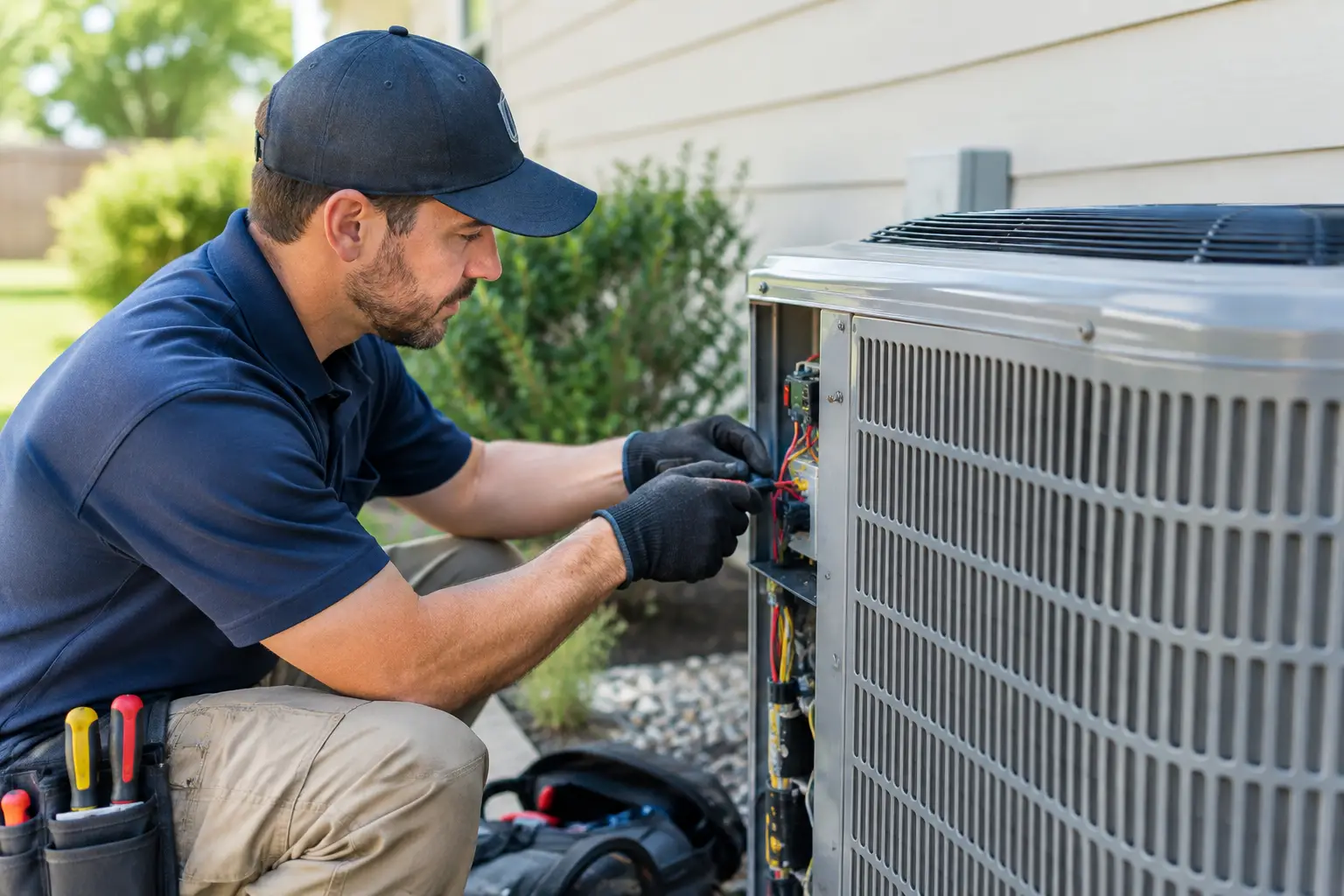
A North Carolina summer can turn a minor air conditioning issue into a long, uncomfortable afternoon fast. Scheduling an AC tune up before summer gives your system a chance to handle Raleigh-area heat and humidity before it is working at full capacity every day. It is a practical way to find developing problems, protect your comfort, and make a better-informed decision if a repair is needed.
Why an AC Tune Up Before Summer Matters
Your air conditioner has a much easier job on a mild spring day than it does during a stretch of 90-degree weather with heavy humidity. Once summer arrives, the system may run for hours at a time, placing added strain on electrical components, motors, coils, and the drainage system.
A tune-up does not guarantee that a part will never fail. Mechanical equipment can still break down unexpectedly. However, a professional inspection can catch many common warning signs early, such as worn electrical connections, a weak capacitor, restricted airflow, dirty coils, or an improperly draining condensate line. Addressing those concerns before peak season is often simpler than waiting until the system stops cooling when your household needs it most.
There is also a comfort difference. An AC that is clean, properly adjusted, and moving air effectively is better positioned to cool rooms evenly and remove moisture from the air. That matters in homes where bedrooms feel warmer than the rest of the house, upstairs rooms struggle in the afternoon, or indoor air starts to feel sticky.
What a Professional AC Tune-Up Includes
A thorough seasonal visit is more than changing a filter and turning the thermostat down. A trained technician evaluates the system’s operation, safety, and condition to identify issues that could affect performance as temperatures rise.
Checking Cooling Performance and Airflow
The technician will check how the system starts, runs, and cycles, then review temperature performance and airflow. Restricted airflow can force an AC to work harder than necessary. A clogged filter is one common cause, but dirty indoor components, duct concerns, closed registers, or blower issues can also contribute.
Airflow problems do not always look dramatic. You may simply notice that the home takes longer to cool, some rooms lag behind, or the system seems to run nearly nonstop. A tune-up helps separate a basic maintenance concern from a problem that needs repair or further diagnosis.
Inspecting Electrical Components
Air conditioners depend on electrical parts that experience frequent starts and stops throughout summer. During maintenance, a technician can inspect connections, wiring, capacitors, relays, and other operating components for signs of wear or damage.
This step matters because a small electrical issue can eventually become a no-cooling call. If a part is nearing failure, your technician can explain what they found, provide clear options, and help you decide whether to repair it now or monitor it. The right answer depends on the component, the age and condition of the system, and how reliably it has been cooling your home.
Cleaning Key Areas and Checking Drainage
Dirt and debris can limit heat transfer at the outdoor unit, while buildup around indoor components can affect airflow and system operation. Seasonal service may include cleaning accessible areas and checking the outdoor unit for obstructions such as leaves, mulch, or overgrown landscaping.
The condensate drain also deserves attention. As your AC removes humidity from indoor air, it creates water that must drain away safely. A clogged drain can lead to water backups, shutdowns, or moisture concerns near the indoor equipment. Finding a slow or blocked drain before a humid week can prevent an inconvenient surprise.
Reviewing Refrigerant-Related Concerns
Your AC should not need routine refrigerant added as part of normal maintenance. If refrigerant is low, it may indicate a leak or another issue that needs proper diagnosis. A professional technician can check for signs of performance trouble and explain whether further testing or repair is recommended.
Be cautious of quick fixes that treat refrigerant as a simple refill. The goal is to understand why the system is not operating as it should, not to mask a problem that could return later.
Signs You Should Not Wait for Seasonal Maintenance
Spring is an ideal time to schedule, but some symptoms call for service sooner. If your AC is blowing warm air, making new or loud noises, cycling on and off repeatedly, producing weak airflow, leaking water, or causing a sudden jump in utility costs, it is worth having the system checked.
Unusual odors deserve attention as well. A musty smell may point to moisture or drainage concerns, while a burning or electrical smell should be treated as a reason to turn the system off and request professional help. Do not continue running equipment that appears unsafe or is behaving unpredictably.
Homeowners with older systems should be especially proactive. An aging unit may still have useful life left, but it often benefits from a careful assessment before the hardest cooling months. Knowing its condition in spring gives you more time to weigh repair and replacement options without making a rushed decision during a heat wave.
Simple Steps Homeowners Can Take Between Visits
Professional maintenance handles the detailed inspection, but a few routine habits can support better AC operation throughout the season. Check the air filter regularly and replace it when it is dirty. Filter needs vary based on household size, pets, allergies, construction dust, and how often the system runs, so use its condition rather than the calendar alone.
Keep supply and return vents open and clear of furniture, rugs, or storage. At the outdoor unit, remove leaves and loose debris and keep plants trimmed back to allow adequate airflow. Do not attempt to open electrical panels, adjust refrigerant, or pressure-wash delicate outdoor coils. Those tasks can create damage or safety risks when handled without the right tools and training.
It also helps to pay attention to changes. A system that suddenly gets louder, cools unevenly, or runs longer than usual is telling you something. A brief note about when the issue occurs, which rooms are affected, and what you have noticed can help the technician diagnose the problem more efficiently.
How Timing Can Affect Your Summer Comfort
The best time for an AC tune-up is usually before your system is running day after day. Early spring appointments can be more convenient, and any recommended repairs can be completed before high temperatures place your home under pressure.
That said, it is never too late to improve a struggling system’s performance. If summer has already started and your home does not feel comfortable, schedule service rather than hoping the issue will resolve itself. Waiting can turn a small concern into a more disruptive breakdown, especially when the equipment is already under heavy demand.
For homeowners who prefer a predictable schedule, a maintenance membership can make seasonal care easier to stay on top of. The value is not just the appointment itself. It is the consistency of having qualified eyes on your heating and cooling equipment before seasonal demands change.
Choose Clear Answers, Not Guesswork
When a technician finds an issue during a tune-up, you should receive a straightforward explanation of what is happening, why it matters, and what the next steps may be. Not every concern requires an immediate major repair, and not every older AC needs replacement. A trustworthy recommendation considers system condition, repair history, comfort concerns, efficiency, and your household’s plans.
Delta Heating, Cooling & Plumbing sends trained technicians who use advanced diagnostic tools to help homeowners understand their options without unnecessary confusion. Before summer settles in, a scheduled tune-up can replace uncertainty with a clearer picture of what your air conditioner needs to keep your home comfortable.