
A water leak rarely announces itself with a burst pipe. More often, it starts with a slightly higher water bill, a soft spot near the kitchen sink, or a water heater that seems to run more often than it should. Smart leak detection gives homeowners an earlier warning, helping catch small plumbing problems before they soak drywall, damage flooring, or create the conditions for mold.
For homeowners in Raleigh and surrounding communities, early detection can be especially valuable. Humid weather can make moisture issues harder to notice, while busy households put steady demand on water lines, fixtures, water heaters, and appliances. The right combination of monitoring technology and professional diagnostics can turn an uncertain plumbing concern into a clear plan for repair.
What Smart Leak Detection Does
Smart leak detection uses connected sensors, water-monitoring devices, or automatic shutoff equipment to watch for unusual water activity. Depending on the system, it may alert you through an app when it senses continuous flow, a sudden spike in usage, freezing temperatures, or moisture where it should not be.
Some devices are installed near individual risk areas, such as beneath a sink, beside a water heater, behind a washing machine, or near an HVAC condensate drain. Others monitor water use at the main supply line. A whole-home monitor may recognize patterns such as water running continuously for hours when no one is using a fixture.
These tools do not repair a leak. They provide information quickly, often before a homeowner sees a stain or hears water moving inside a wall. That warning can make a major difference, but it still needs a professional response to locate the source and correct the underlying plumbing issue.
Where Hidden Leaks Usually Start
Not every leak needs a high-tech monitor to be found, but many occur in places that are easy to overlook. Toilet flappers can allow water to run quietly into the bowl. A pinhole leak in an aging water line may drip inside a wall cavity. Supply hoses connected to washing machines, refrigerators, and dishwashers can weaken over time.
Water heaters are another common concern. A slow leak at a connection, drain valve, temperature and pressure relief valve, or tank can cause water damage before it becomes obvious. In homes with crawl spaces, plumbing leaks may go unnoticed even longer because the affected area is not part of daily life.
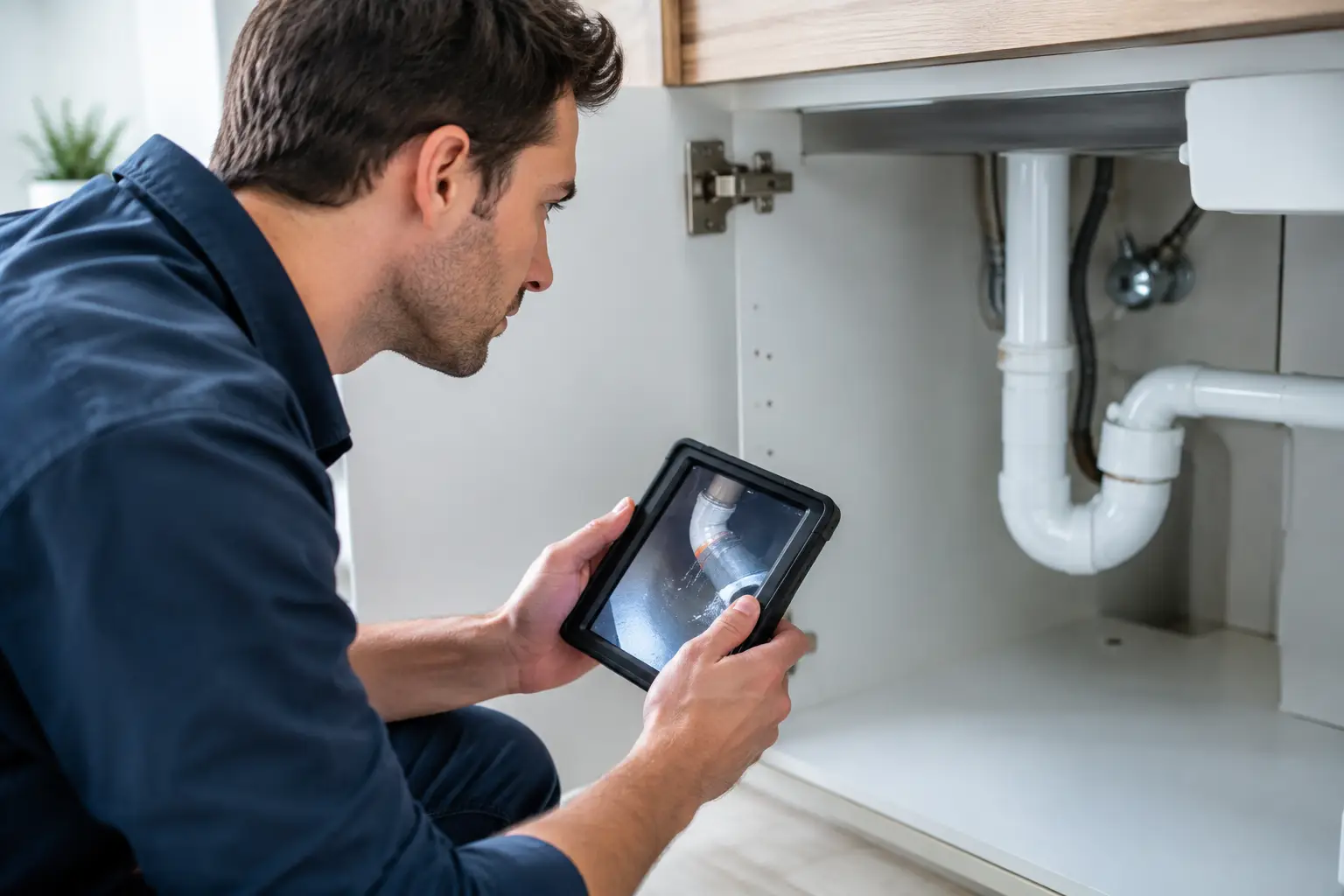
A smart device can flag unexpected water use, but it cannot always identify the exact fixture or pipe responsible. That is where professional leak detection becomes valuable. Camera-assisted diagnostics, moisture readings, pressure testing, and experienced troubleshooting help narrow down the source without unnecessary damage to walls or floors.
Signs Your Home May Need More Than an Alert
A notification from a monitoring device deserves attention, but there are also everyday warning signs that should not wait for a sensor. Watch for a water bill that rises without a change in household use, the sound of water when all fixtures are off, a musty odor, warped flooring, peeling paint, or discolored ceilings and walls.
You may also notice a water meter moving when no water is being used. That can point to a leak, though it is not always simple to determine where the water is going. An irrigation system, water treatment equipment, a toilet, or a concealed supply line may be involved.
If you see active water, shut off the water supply to the affected fixture if possible. If you cannot isolate it safely, use the home’s main water shutoff valve. Then request plumbing service promptly. Fast action can limit the damage, but guessing at the source can delay the repair.
Choosing a Smart Leak Detection Setup
The best approach depends on your home’s plumbing layout, age, risk areas, and how much control you want. A basic sensor near a water heater or washing machine is affordable and useful for localized risks. It can be a sensible first step for homeowners who have had a previous leak or want extra protection in a vulnerable area.
Whole-home monitoring provides a broader view of water use. Some systems can notify you of unusual flow, while others can automatically close the main water line when they detect a possible leak. Automatic shutoff can provide valuable protection when a home is vacant, but it should be selected and installed carefully. You do not want a false alert to interrupt necessary water use, and some plumbing configurations require professional evaluation before adding a shutoff device.
For many homeowners, the practical answer is layered protection: sensible monitoring in high-risk areas, routine visual checks, and a trusted plumbing team to investigate when something does not look right. Technology is helpful, but maintenance and timely repairs remain the foundation of leak prevention.
Questions to Ask Before Installation
Before choosing a device, consider whether you want point-of-use sensors or monitoring at the main water line. Ask how alerts are delivered, whether the device needs a reliable Wi-Fi connection, and what happens during a power outage. If it includes automatic shutoff, ask how it handles normal activities like irrigation, appliance cycles, and guests using multiple fixtures.
It is also worth confirming that your main shutoff valve is accessible and working properly. An advanced monitoring device cannot compensate for a valve that is corroded, difficult to reach, or unable to close fully. A plumbing technician can inspect the area and explain what installation would make sense for your home.
Smart Leak Detection Is Not a Substitute for Plumbing Care
A leak monitor may catch unusual water use, but it will not clear a developing drain blockage, replace worn supply lines, or correct poor water pressure. It also may not detect every issue immediately. Very small leaks, intermittent leaks, and leaks on lines that are not being actively monitored can still require traditional diagnostic work.
Regular attention goes a long way. Check under sinks periodically, inspect appliance hoses, keep an eye on your water bill, and address toilets that run after flushing. If your water heater is aging or showing signs of corrosion, have it evaluated before a small drip becomes a larger failure.
Homeowners should also be cautious about treating every alert as proof of a major emergency. A smart device may be reacting to a long shower, a toilet refill, an appliance cycle, or a scheduled irrigation event. Review the timing and pattern, then act quickly if the activity is unexplained or continuous. A qualified technician can help determine whether you have a true leak and provide a clear estimate before repairs begin.
When to Call a Professional Leak Detection Team
Call for professional help when you have unexplained water use, visible water damage, recurring moisture, or a monitoring alert that you cannot trace to normal activity. It is also a good idea to call when the water meter shows flow while everything is off, especially if you have already checked toilets and visible fixtures.
Delta Heating, Cooling & Plumbing uses advanced diagnostic tools to help homeowners identify plumbing problems with less guesswork. The goal is straightforward: find the source, explain the repair options clearly, and help protect your home from further damage. For difficult leaks, the right diagnosis can prevent unnecessary opening of walls, floors, or ceilings.
A smart alert is most useful when it leads to a timely decision. Keep your main water shutoff location known to everyone in the household, pay attention to changes in water use, and request service when the signs do not add up. That small step can protect far more than your plumbing – it can protect the home you work hard to maintain.