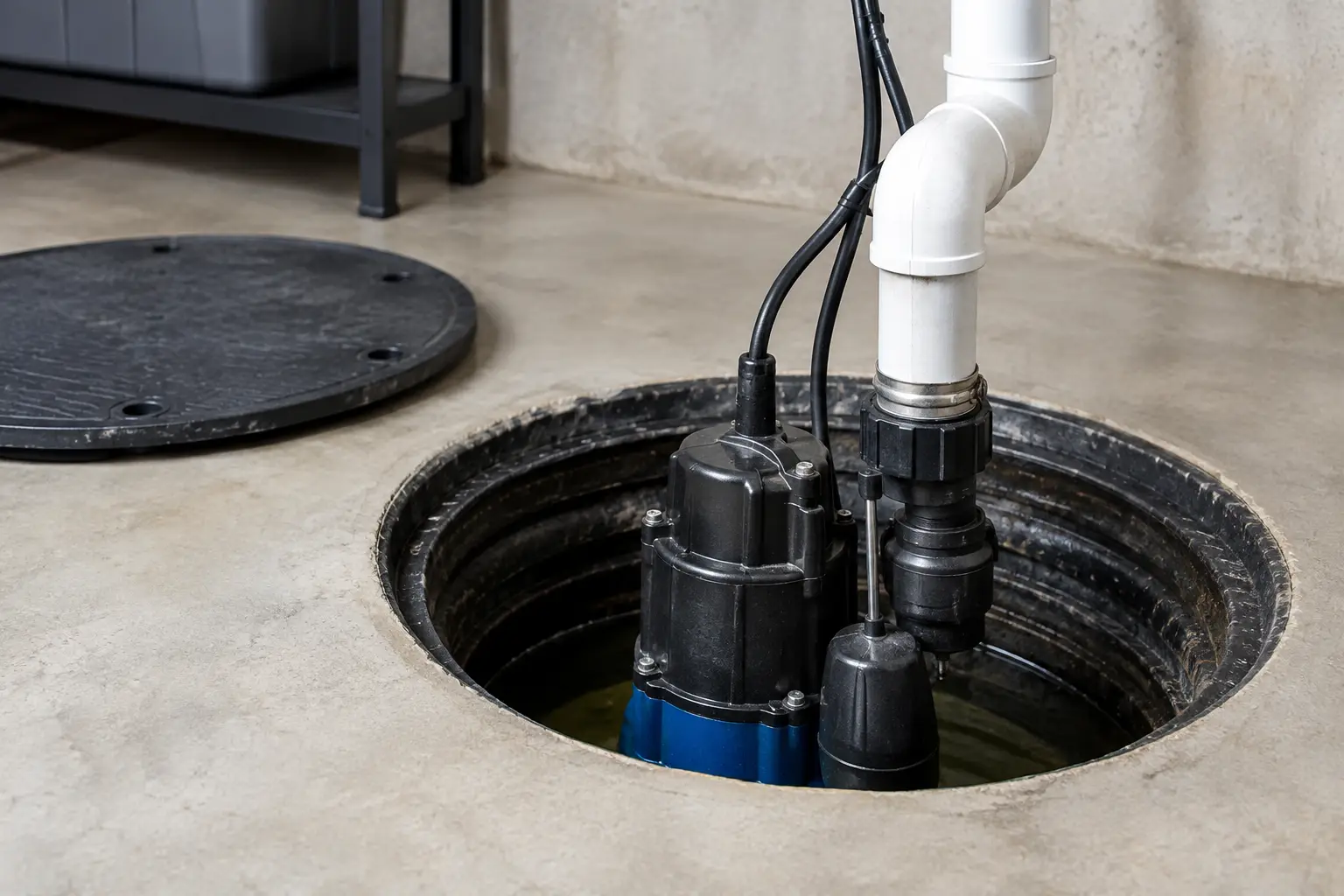
A sump pump usually stays out of sight until a hard rain puts it to work. That is why the signs of failing sump pump equipment can be easy to miss – and why a small problem can turn into water across a basement, crawl space, or utility room. For homeowners in the Raleigh area, where heavy downpours and humid conditions can put drainage systems under pressure, catching trouble early is far less stressful than dealing with flood cleanup.
A sump pump does one job: it moves collected groundwater away from your home before it can cause damage. When it cannot do that reliably, moisture can affect flooring, insulation, stored belongings, and even the air quality inside the house. Here is what to watch for and when it is time to call a plumbing professional.
9 Signs of a Failing Sump Pump
1. The pump will not turn on
If water rises in the sump pit and the pump does not start, treat it as an urgent warning. The issue could be as simple as a loose power connection or a tripped breaker. It could also point to a stuck float switch, failed motor, damaged wiring, or a pump that has reached the end of its service life.
Before checking anything, keep safety in mind. Do not stand in water while handling electrical equipment. If the pit is filling or water is already spreading, call for service rather than trying to troubleshoot a potentially unsafe electrical issue yourself.
2. It runs constantly, even in dry weather
A sump pump that never seems to stop is not necessarily doing a good job. Continuous cycling can overheat the motor and shorten the pump’s life. It may mean the float switch is jammed in the on position, the check valve has failed, groundwater is entering the pit unusually quickly, or the pump is undersized for the amount of water it needs to move.
It depends on recent weather, of course. After days of heavy rain, a pump may run more often than usual. But if it continues running long after the ground has had time to drain, schedule an inspection. The goal is to find the cause before the motor burns out when you need it most.
3. The pump turns on and off too frequently
Short cycling is another concern. This is when the pump starts, runs briefly, stops, and then repeats the pattern over and over. A float switch set at the wrong height, a defective switch, or a discharge line allowing water to flow back into the pit can all cause this behavior.
Frequent cycling creates extra wear on electrical and mechanical components. It also increases the chance that the system will fail during the next storm. A technician can test the switch, check valve, discharge piping, and pump capacity to identify the real reason for the repeated starts.
4. You hear grinding, rattling, or loud humming
Sump pumps make noise when they operate, but sudden or unusual sounds deserve attention. Grinding can suggest worn bearings or debris interfering with the impeller. Rattling may come from loose components or vibrating discharge piping. A loud hum without water moving can indicate a motor problem or an impeller that cannot turn.
Do not assume the noise will work itself out. Pumps generally become louder as a mechanical issue gets worse. Having the unit inspected while it still operates may give you more repair options than waiting for a complete failure.
5. The sump pit is full but water is not leaving
A running pump should noticeably lower the water level in the pit. If the water remains high, the pump may be clogged, the impeller may be damaged, or the discharge line may be blocked or frozen. A crushed, disconnected, or improperly routed discharge pipe can create the same result.
Look outside for obvious discharge-line problems if it is safe to do so. The outlet should direct water away from the foundation, not release it right next to the house where it can make its way back toward the pit. Because drainage layouts vary from home to home, a professional evaluation is often the quickest way to separate a pump issue from a piping or grading issue.
6. Water flows back into the pit after the pump stops
Some water remaining in the pit is normal. What is not normal is a noticeable rush of water returning after every cycle. This often points to a failed or missing check valve in the discharge line. The valve is designed to prevent pumped water from falling back down into the basin.
When that water returns, the pump has to do the same work again. This wastes energy, contributes to short cycling, and puts needless strain on the system. Replacing a faulty valve can be a straightforward repair, but it should be installed correctly and tested under operating conditions.
7. There is a musty smell or new moisture nearby
A damp, musty odor in a basement or crawl space can be one of the quieter signs of sump pump trouble. You may not see standing water, but a pump that is not keeping up can allow moisture to build around the foundation. Wet walls, stained concrete, peeling paint, rusted metal items, or damp insulation are all reasons to investigate.
Humidity alone can be common in North Carolina homes, especially in crawl spaces. Still, persistent moisture should not be ignored. A plumbing professional can evaluate the sump pump and pit while helping determine whether drainage, plumbing leaks, or another source is contributing to the problem.
8. The pump is visibly rusty, corroded, or dirty
A quick visual check can reveal a lot. Rust around the motor housing, corroded electrical connections, mineral buildup, and debris in the pit can all affect performance. Dirt and gravel can also interfere with the float switch or clog the pump intake.
Avoid reaching into the pit or dismantling the pump unless you know it has been safely disconnected from power. Cleaning the basin and testing the system are useful maintenance steps, but a pump with significant corrosion or recurring clogs may need more than a cleanup.
9. The pump is old or has a history of trouble
Age alone does not prove a pump is failing, but it changes the conversation. Many residential sump pumps last roughly seven to 10 years, depending on quality, usage, maintenance, and how much sediment enters the pit. A pump that runs frequently during wet seasons may wear out sooner than one that only operates occasionally.
Repeated repairs, inconsistent operation, or an older unit with no backup protection are good reasons to plan ahead. Replacing a weak pump on your schedule is usually easier than making a rushed decision after water has entered the home.
How to Test a Sump Pump Safely
A simple test can reveal whether the pump responds as it should. First, make sure the pump is plugged into a working outlet and that the discharge path appears clear. Then slowly pour water into the pit until the float rises and activates the pump. Watch to see whether the pump starts, lowers the water level, and shuts off afterward.
If it does not start, does not move water, makes abnormal sounds, or fails to shut off, stop the test and arrange service. Do not repeatedly run a struggling pump in hopes that it will clear itself. That can turn a repairable issue into a failed motor.
Testing once or twice a year is a practical habit, with an extra check before periods when heavy rain is common. Homeowners with finished basements, low-lying lots, or a history of water intrusion may benefit from more frequent checks and a discussion about backup options.
When to Call for Sump Pump Repair
Call for professional help promptly if water is rising in the pit, the pump has stopped working, or you see moisture spreading indoors. These are not problems to postpone until the next storm passes. Fast diagnosis can protect your home and clarify whether you need a repair, discharge-line correction, switch replacement, or a new pump.
For less urgent symptoms, such as cycling, noise, or visible corrosion, scheduling service before the next major rainfall is still the smart move. A qualified plumber can inspect the pump, test electrical components, check the float and valve, evaluate the discharge line, and provide a clear estimate before work begins.
A dependable sump pump is easy to overlook when it is working properly. Give it a quick test before the weather turns, and if something seems off, let Delta Heating, Cooling & Plumbing help you address it before water gets the final say.