A hard freeze can turn a small, overlooked plumbing weak spot into water damage that spreads through cabinets, ceilings, or a crawl space. To prepare plumbing for freezing weather, focus on the pipes exposed to outdoor air, unheated areas, and sudden temperature changes – especially before the first overnight freeze arrives.
In the Raleigh area, winter weather can be inconsistent. A mild afternoon may follow a freezing night, which makes it easy to assume your plumbing is safe when a vulnerable pipe is still at risk. A few practical checks now can prevent the stress of a burst pipe later.
Why pipes freeze in North Carolina homes
Water expands as it freezes. When water is trapped inside a pipe, that expansion can create pressure strong enough to split copper, plastic, or older metal piping. The pipe does not always burst at the point where the ice forms. Pressure can build between the ice blockage and a closed faucet, causing a failure somewhere nearby.
The highest-risk pipes are not necessarily the ones you see every day. In local homes, plumbing in crawl spaces, garages, exterior walls, unfinished bonus rooms, attics, and cabinets along outside walls often needs the most attention. Older homes and homes with missing or compressed insulation may have additional trouble spots.
A brief freeze does not guarantee a burst pipe, and the exact risk depends on insulation, wind exposure, and how long temperatures remain below freezing. Still, preparation is far less expensive and disruptive than repairing a water-damaged home.
Inspect exposed pipes before cold weather arrives
Start with a walk-through of your home while you still have time to make simple corrections. Look beneath kitchen and bathroom sinks, around the water heater, in the garage, and throughout any accessible crawl space or attic. You are looking for pipes that are bare, close to vents, or located where cold air can move freely around them.
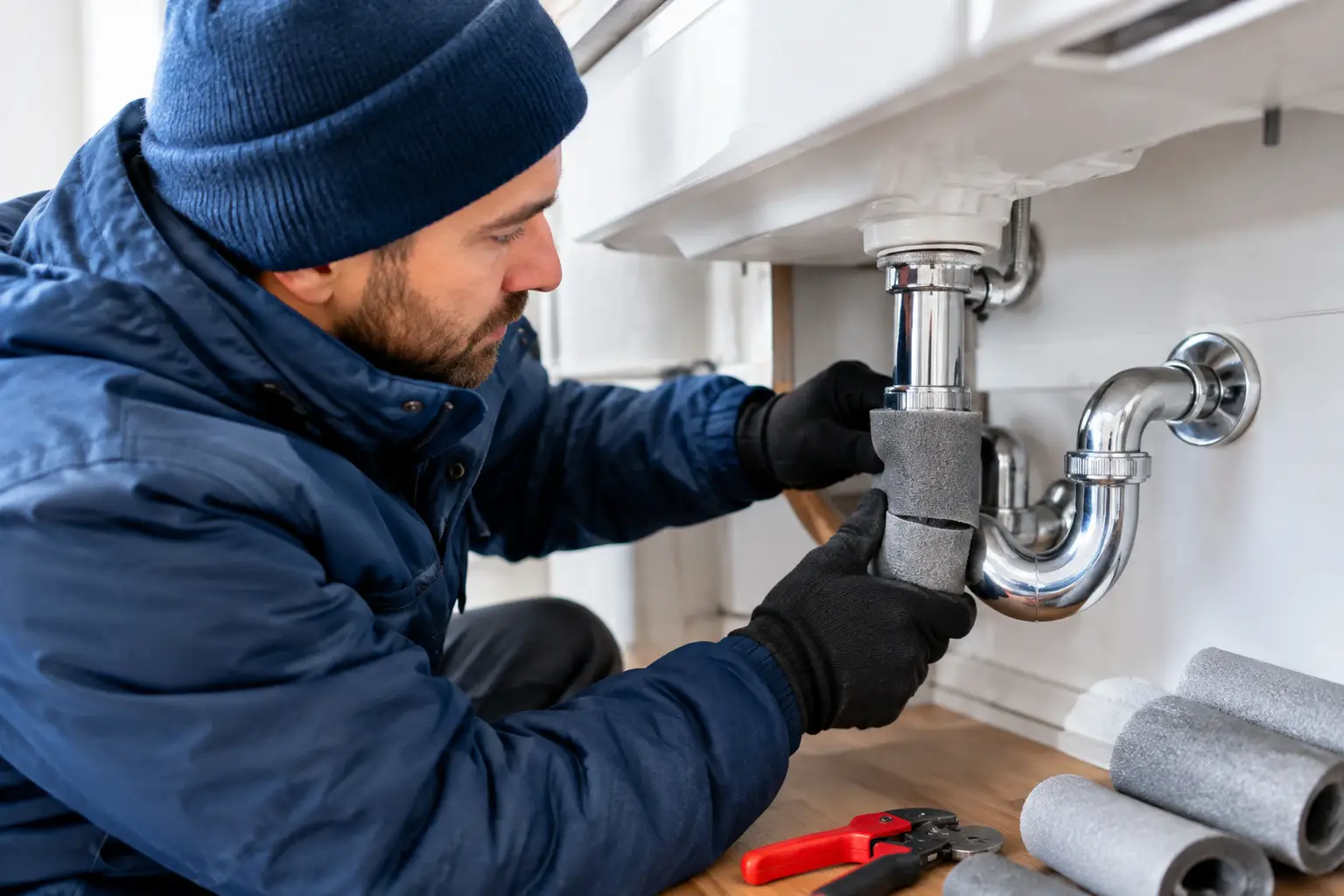
Pipe insulation sleeves are a practical first layer of protection. Make sure insulation fits snugly and covers elbows, joints, and short sections near exterior penetrations. Insulation slows heat loss, but it does not create heat. If temperatures stay low for an extended period, insulated pipes still need a reasonably warm surrounding space.
Pay close attention to gaps where pipes enter the home. Openings around plumbing penetrations can admit cold air into a cabinet, wall, or crawl space. Sealing those gaps can help protect plumbing and improve comfort inside the home. Avoid covering areas that need safe access for servicing, and use materials appropriate for the location.
If you find corrosion, damp spots, loose fittings, or an old section of pipe that has leaked before, do not treat freeze preparation as a substitute for repair. Cold weather can expose an existing weakness quickly. A professional plumbing inspection can identify whether a repair or replacement is the safer choice.
Disconnect and protect outdoor plumbing
Outdoor spigots and connected hoses are frequent causes of winter plumbing problems. A hose left attached can hold water against the faucet and prevent the fixture from draining properly. When that water freezes, the damage may extend beyond the outdoor spigot to piping inside the wall.
Before a freeze, disconnect every garden hose, drain it, and store it where it will not crack. Shut off the indoor supply valve to each outdoor faucet if your home has one. Then open the outside faucet to drain the remaining water. Once it has drained, close the faucet lightly rather than forcing the handle.
An insulated faucet cover adds useful protection, particularly on exposed sides of the home. It is not a replacement for disconnecting hoses and using an interior shutoff, but it can reduce cold exposure during a short freeze.
If you have an irrigation system, follow the system’s specific winter shutdown procedure. Some systems require more than simply turning off the controller. Water left in exposed lines, valves, or components may still freeze, so professional winterization may be appropriate depending on your system and property layout.
Keep indoor pipes warm and water moving
When freezing temperatures are expected, keep your thermostat set to a consistent temperature day and night. Turning the heat down sharply overnight can save a little energy but may put plumbing in exterior walls, crawl spaces, or garages at greater risk. If you leave town, do not turn the heat off. Set it high enough to protect the home, even if no one is there.
Open cabinet doors beneath sinks on exterior walls so warmer room air can circulate around the plumbing. Remove household cleaners and other chemicals first, especially if children or pets can access the open cabinet.
During a sustained or severe freeze, allow a small, steady trickle of water from faucets served by vulnerable pipes. Moving water is less likely to freeze than standing water, and an open faucet can relieve pressure if ice begins to form. This is most helpful for fixtures on exterior walls or in parts of the home that have frozen before.
A drip is not necessary at every faucet during every cold night. It also increases water use, so target known vulnerable lines instead of leaving water running throughout the house. If you are unsure which pipes are at risk, a plumber can help assess the layout.
Know where your main water shutoff is
Every homeowner should know how to stop water flow quickly. Your main water shutoff may be near the water heater, in a utility area, in the garage, crawl space, or near where the water line enters the house. Its location varies by home, so find it before an emergency makes the search urgent.
Test the valve carefully if it has not been used recently. A valve that will not turn, leaks around the handle, or does not fully stop water needs attention before winter. Also make sure responsible family members know where it is and how to use it.
If your home has a water meter shutoff, understand that access and responsibility can vary. The indoor main shutoff is usually the fastest option for limiting damage inside your home.
What to do if you suspect a frozen pipe
A faucet that produces only a weak trickle, no water at all, or unusual sounds from a pipe during freezing weather may indicate ice inside the line. Act early. If the pipe is accessible, open the affected faucet and gently warm the area with safe, gradual heat, such as a hair dryer. Start near the faucet and work back toward the suspected frozen section so melting water has a path to escape.
Never use an open flame, torch, or other high-heat device on a pipe. Those methods can damage plumbing, ignite nearby materials, or create a more serious emergency.
If you cannot reach the pipe, do not know where it is frozen, notice a bulge or crack, or suspect a pipe has already ruptured, shut off the main water supply and request professional help. Watch for water stains, dripping ceilings, wet insulation, or puddles after temperatures rise. A pipe may not reveal a split until the ice thaws.
Give vacant homes extra protection
A vacant property needs more than a quick thermostat check. Keep the heat operating, arrange for someone to inspect the home during prolonged cold weather, and consider shutting off the main water supply if the house will be empty for an extended period. The right approach depends on whether the heating system, water heater, and plumbing fixtures will remain in use.
For a second home, rental property, or a home left empty during travel, professional winterization can provide added confidence. It is especially valuable when plumbing runs through a crawl space, attic, or other areas that may not stay warm enough during a cold snap.
Prepare plumbing for freezing weather with a professional check
If your home has frozen pipes in the past, recurring leaks, a damp crawl space, or plumbing you cannot easily access, a professional visit is a sensible step before temperatures drop. Delta Heating, Cooling & Plumbing can help identify exposed lines, aging fittings, shutoff concerns, and other issues that could become costly under freezing conditions. You will receive clear recommendations and straightforward pricing before work begins.
The best time to protect your plumbing is when the forecast first calls for cold, not when water is already coming through the ceiling. Take a few minutes to check your vulnerable pipes, protect outdoor fixtures, and make sure your shutoff valve is ready – then you can face the next freeze with more confidence.