A sewer backup is not a problem to wait out. When wastewater comes up through a tub, shower, floor drain, or toilet, the issue may be deeper than a routine clog. Sewer line replacement becomes the right solution when the pipe carrying waste away from your home is badly damaged, repeatedly blocked, or no longer able to do its job safely.
For homeowners in Raleigh and nearby communities, a clear diagnosis matters before anyone recommends major work. Older pipe materials, shifting soil, mature tree roots, and years of use can all affect an underground sewer line. The goal is not to replace a line simply because it is inconvenient. It is to identify the real condition of the pipe and recommend a repair or replacement that protects your home for the long term.
Signs Your Sewer Line May Be Failing
A single slow drain does not automatically point to a sewer line problem. It may be a localized clog in one sink, shower, or toilet branch. But when several drains act up at once, the main sewer line deserves attention.
Watch for repeated backups in the lowest drains of the home, such as a first-floor shower, tub, or floor drain. Toilets that gurgle when a washing machine drains, foul odors near plumbing fixtures or outdoors, and water pooling in the yard can also signal a problem below ground. In some cases, unusually green or soggy patches of grass may develop where a leaking sewer line is feeding moisture into the soil.
Frequent drain cleaning is another warning sign. Clearing a blockage can restore flow temporarily, but it cannot correct a crushed pipe, a separated joint, a severe root intrusion, or a line that has deteriorated from age. If the same backup keeps returning, it is time to find out why.
Why a Camera Inspection Should Come First
The sewer line is hidden, so guessing is expensive. A camera inspection allows a trained plumbing technician to view the inside of the line, locate the trouble spot, and see what is causing the blockage or restriction. This technology helps separate a cleanable clog from a pipe condition that requires more substantial work.
The footage may show roots entering through joints or cracks, grease buildup, a shifted section of pipe, corrosion, bellies where the line has sagged, or a complete collapse. It can also help determine the depth and location of the damage. That information supports a straightforward estimate and prevents unnecessary excavation.
Camera diagnostics do not always mean replacement is needed. If the pipe is structurally sound and the obstruction can be cleared, professional drain cleaning or hydro jetting may be enough. If roots return quickly or the pipe walls are failing, however, cleaning alone can become a costly cycle of temporary fixes.
What Makes Replacement the Better Option
Sewer line replacement is generally recommended when the line has extensive damage, repeated failures, or materials near the end of their useful service life. A small, isolated crack may be repairable. A pipe with multiple breaks, widespread root entry, severe corrosion, or a collapsed section often calls for replacement instead.
The right decision depends on the camera findings, the age and material of the pipe, the history of backups, and the layout of the property. Homeowners should be wary of one-size-fits-all answers. A qualified technician should be able to explain what the camera found, where the issue is located, and why repair, cleaning, or replacement is being recommended.
What Sewer Line Replacement Involves
Every property is different, but the work usually begins with locating the sewer line and marking the affected area. The technician will consider where the line exits the home, where it connects to the public sewer or septic system, and what sits above it. Landscaping, driveways, patios, utility lines, and the depth of the pipe can all affect the scope of the project.
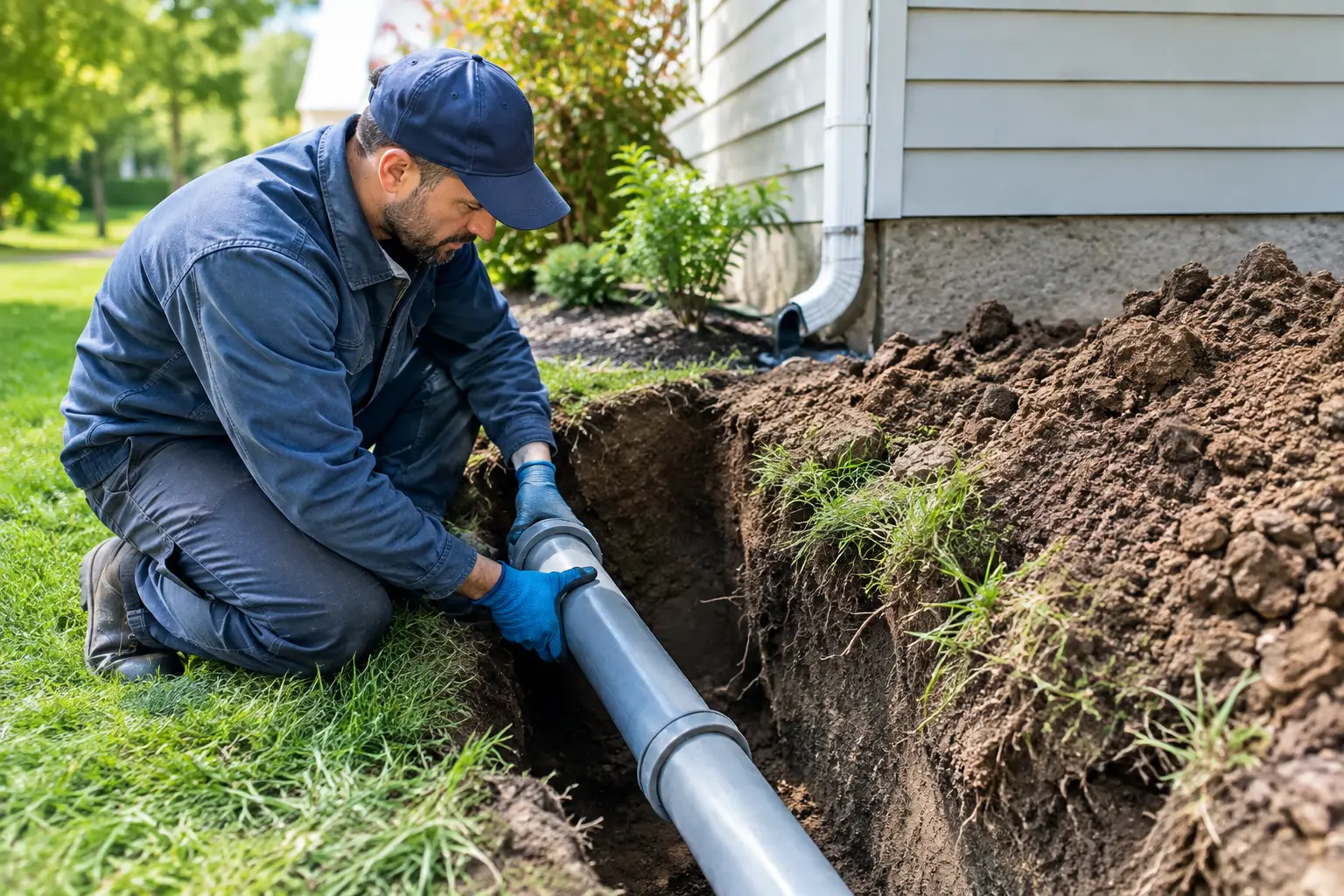
Traditional replacement may require carefully planned excavation to access and remove the damaged pipe. The old section is replaced with new piping that is properly sized, aligned, and sloped so waste can flow reliably away from the home. The work should also include testing before the area is backfilled.
In certain situations, less invasive repair methods may be possible. Whether that is an option depends on the type of damage, pipe condition, access points, and local requirements. It is not the best fit for every line. A clear inspection and an on-site evaluation are the only reliable ways to determine which approach makes sense for your home.
Homeowners often worry about disruption, and that is reasonable. A professional team should explain where work will occur, whether plumbing use will be limited during the project, how the site will be protected, and what restoration is included. Asking these questions before work begins helps avoid surprises.
Factors That Affect Sewer Line Replacement Cost
There is no responsible flat price for every sewer line because the conditions underground are not the same from one property to the next. The length of pipe being replaced is a major factor, but it is only part of the picture.
Depth matters because a deeper line requires more excavation and safety planning. Access also matters. A line beneath open lawn is generally simpler to reach than one beneath concrete, mature landscaping, or a driveway. The extent of pipe damage, soil conditions, permits, utility locating, and the type of connection at the street can influence the final cost as well.
The most useful estimate is one that clearly identifies the recommended work, the reason it is needed, and what is included. Homeowners should understand whether the price covers diagnostics, excavation, pipe replacement, testing, backfill, and any surface restoration. For a major repair, a free second opinion can offer valuable peace of mind before you move forward.
How to Protect Your New Sewer Line
Once a sewer line has been repaired or replaced, everyday habits can help reduce avoidable clogs. Toilets should handle only human waste and toilet paper. Wipes, paper towels, feminine products, cotton swabs, and similar items belong in the trash, even when packaging says they are flushable.
In the kitchen, keep grease, cooking oil, coffee grounds, and food scraps out of the drain. Grease may look harmless when it is warm, but it can cool and collect inside pipes over time. If your property has large trees near the sewer route, ask a plumbing professional whether periodic camera inspections are a sensible preventive measure.
It also helps to respond early. A slow drain, recurring gurgling, or an occasional backup may be easier and less disruptive to address before it turns into wastewater inside the home. Prompt diagnostics give you more options and more control over the timing of repairs.
Choose Clear Answers When the Line Is on the Line
A sewer problem can feel overwhelming because much of the damage is out of sight. The right service team brings the condition of the line into view, explains the options in plain language, and gives you a clear path forward. Delta Heating, Cooling & Plumbing uses advanced camera diagnostics to help homeowners make informed decisions about drain and sewer concerns.
If multiple drains are backing up or a sewer issue keeps returning, request professional service before the next backup creates a bigger mess. A clear diagnosis today can protect your home, your schedule, and your peace of mind tomorrow.