A shower that suddenly feels weak, a washing machine that takes longer to fill, and a kitchen faucet that has lost its usual force can point to one frustrating problem: low water pressure. This Apex water pressure repair example shows why the right diagnosis matters before anyone replaces a fixture, opens a wall, or assumes the worst about the water line.
For homeowners, water pressure problems rarely arrive with a clear explanation. One faucet may run normally while another barely flows. The issue may be limited to hot water, appear after a plumbing repair, or get worse at the busiest times of day. A professional inspection separates a small, affordable repair from a system-wide concern, giving you a clear path forward instead of guesswork.
An Apex Water Pressure Repair Example: Finding the Real Cause
Consider a homeowner in Apex who noticed that both upstairs showers had weak flow. The kitchen faucet and first-floor bathroom also seemed less powerful than normal, although the water was still running. There was no obvious leak, no discolored water, and no recent plumbing work inside the home.
At first, the homeowner suspected mineral buildup in the showerheads. That is a reasonable thought, especially when only one fixture has poor flow. But because several fixtures throughout the house were affected, cleaning or replacing showerheads would not address the likely source of the problem.
The technician began with a basic but essential question: Is the issue low pressure, low flow, or both? Homeowners often use those terms interchangeably, but they can lead to different repairs. Pressure is the force moving water through the pipes. Flow is the volume of water that reaches a fixture. A restriction inside a faucet can reduce flow at that one location even if the home’s overall pressure is normal.
A pressure gauge installed at an appropriate connection showed that the water pressure was lower than it should be for consistent whole-home performance. The technician then checked the main shutoff valve to confirm it was fully open and inspected accessible plumbing for signs of leakage. No active leak was found.
The next likely suspect was the home’s pressure-regulating valve. This component reduces incoming water pressure to a safer level for the plumbing system. It protects pipes, fixtures, appliance connections, and water-using equipment from excessive pressure. Like other mechanical parts, however, a pressure regulator can wear out, stick, or lose its ability to maintain a steady setting.
In this case, testing showed the regulator was no longer holding pressure reliably. It was restricting water too much at times, creating the weak flow the homeowner noticed around the house.
Why a Pressure Regulator Can Cause Inconsistent Water Flow
A pressure regulator is not present in every home, and it is not automatically the cause of low water pressure. Homes can have pressure issues due to a partially closed valve, a failing well or pump component, a restriction in a water line, a plumbing leak, or buildup in older piping. That is why a technician should test before recommending replacement.
When a regulator is failing, homeowners may notice more than weak showers. Water pressure can vary from morning to evening. Faucets may surge briefly, toilets may refill slowly, and appliances may take longer to complete cycles. In some situations, pressure can be too high rather than too low, which can strain plumbing connections over time.
The trade-off is straightforward. Adjusting an existing regulator may help if it is in good condition and simply set incorrectly. If the valve is old, erratic, or unable to hold a stable reading, replacement is generally the more dependable choice. Repeated adjustments to a worn part may provide short-term improvement without solving the underlying problem.
The Repair and the Homeowner’s Options
Once testing confirmed the diagnosis, the technician explained the repair in plain language. The homeowner received pricing before work began, along with the reason replacement was recommended instead of another adjustment.
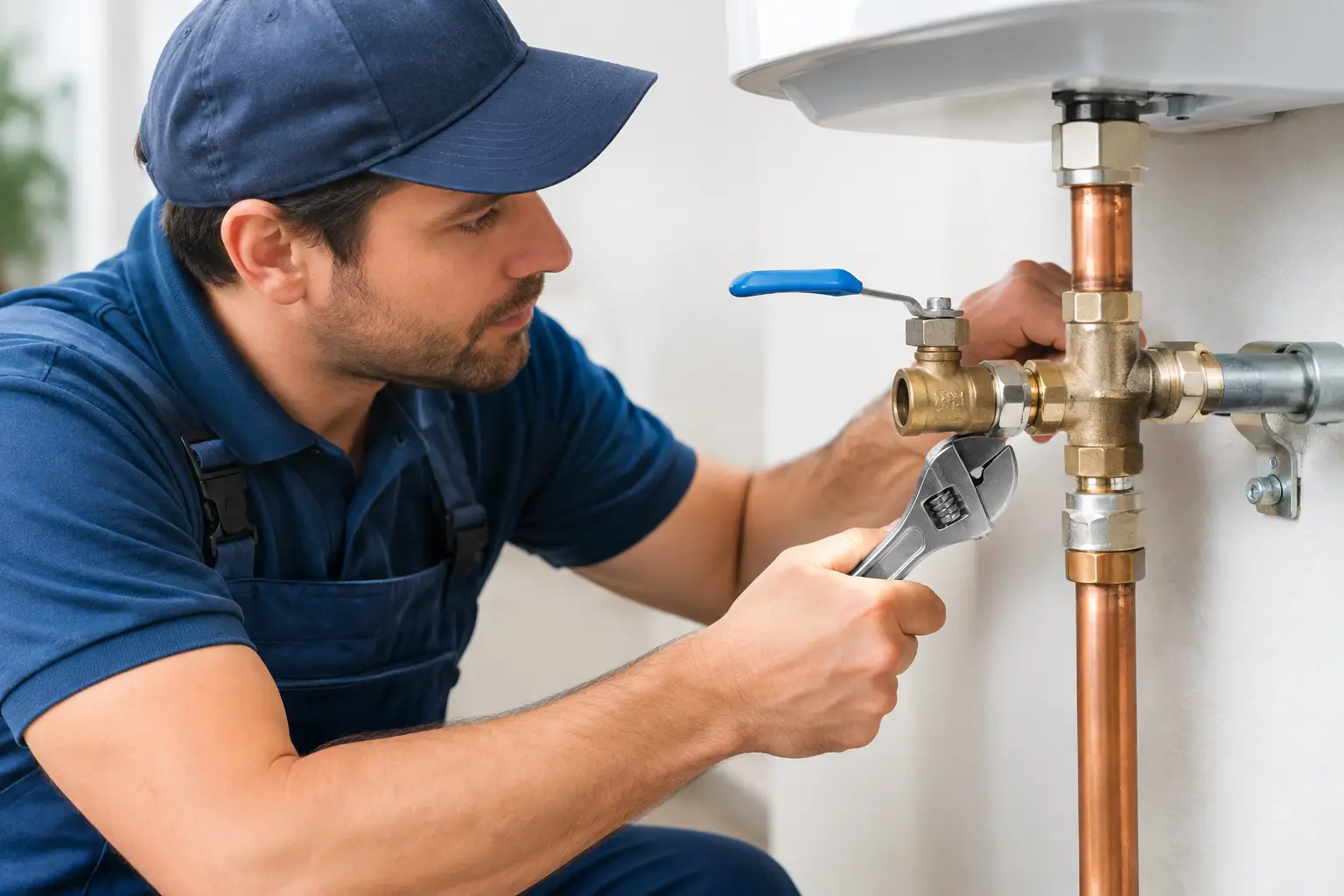
The repair involved shutting off the water supply, replacing the failed regulator, and restoring water carefully after installation. The technician then checked pressure again and ran multiple fixtures to verify that water was reaching the home more consistently. Shower performance improved, and the homeowner no longer had to plan around weak flow during busy morning routines.
A quality repair is more than installing a new part. The final check should confirm that the pressure is within an appropriate range and stays stable while fixtures operate. A technician should also look for concerns that could be connected to the issue, such as a main valve that is difficult to operate, visible corrosion near the water service entry, or signs of a hidden leak.
For a homeowner, the value is clarity. You should know what failed, why that part affects water pressure, what the repair will cost, and what to watch for after the work is complete. If a major repair is recommended and you are uncertain, a free second opinion can help you make a confident decision.
When Low Water Pressure Is Not a Regulator Problem
This Apex water pressure repair example involved a pressure regulator, but the same symptoms can have other causes. The location and timing of the pressure loss provide useful clues.
If only one sink or shower has weak flow, the issue may be a clogged aerator, a restricted showerhead, a worn faucet cartridge, or a partially closed fixture stop valve. These repairs are usually more localized than a whole-home pressure issue.
If cold water is strong but hot water is weak throughout the house, the problem may involve the water heater, hot-water piping, or a valve serving the hot side of the plumbing system. A sudden pressure drop after construction, utility work, or a plumbing repair may point to a valve position or debris that has shifted into a restriction.
Low pressure combined with a higher water bill, damp spots, a continually moving water meter, or the sound of water when everything is off deserves prompt attention. A hidden leak can waste water and cause damage long before it becomes visible. In that situation, leak detection is often more useful than replacing parts based only on symptoms.
Homes supplied by a private well need a different diagnostic approach. Pressure can be affected by the pump, pressure tank, pressure switch, filter condition, or the well itself. The goal remains the same: test the system, locate the actual cause, and recommend only the repair the home needs.
What Homeowners Can Check Before Scheduling Service
You do not need to disassemble plumbing to gather helpful information. Start by checking whether the problem affects hot water, cold water, or both. Then compare several fixtures, including one close to where water enters the house and one farther away. Notice whether pressure is consistently low or only drops when someone showers, flushes a toilet, or runs an appliance.
You can also look at the main water shutoff valve without forcing it. If it appears partially closed, do not assume opening it will solve the issue, particularly if the valve is old or difficult to turn. Forcing a corroded valve can create a leak or make the situation worse.
Avoid repeatedly changing a pressure regulator setting without a gauge and a clear reason. Excessive water pressure can be as harmful as low pressure, and a fluctuating reading can signal a part that needs professional attention. If you see water near pipes, hear hissing, smell moisture or mildew, or lose water pressure suddenly, schedule service promptly.
Get a Clear Answer Before a Small Problem Grows
Water pressure affects nearly every daily routine in your home, from showers and laundry to cooking and cleanup. When it changes, the cause may be simple, but it may also be an early warning that a valve, water line, pump component, or hidden leak needs attention.
Delta Heating, Cooling & Plumbing can evaluate low water pressure with professional testing, straightforward recommendations, and clear pricing before repairs begin. A timely visit can restore dependable water flow and help protect the plumbing system you rely on every day.