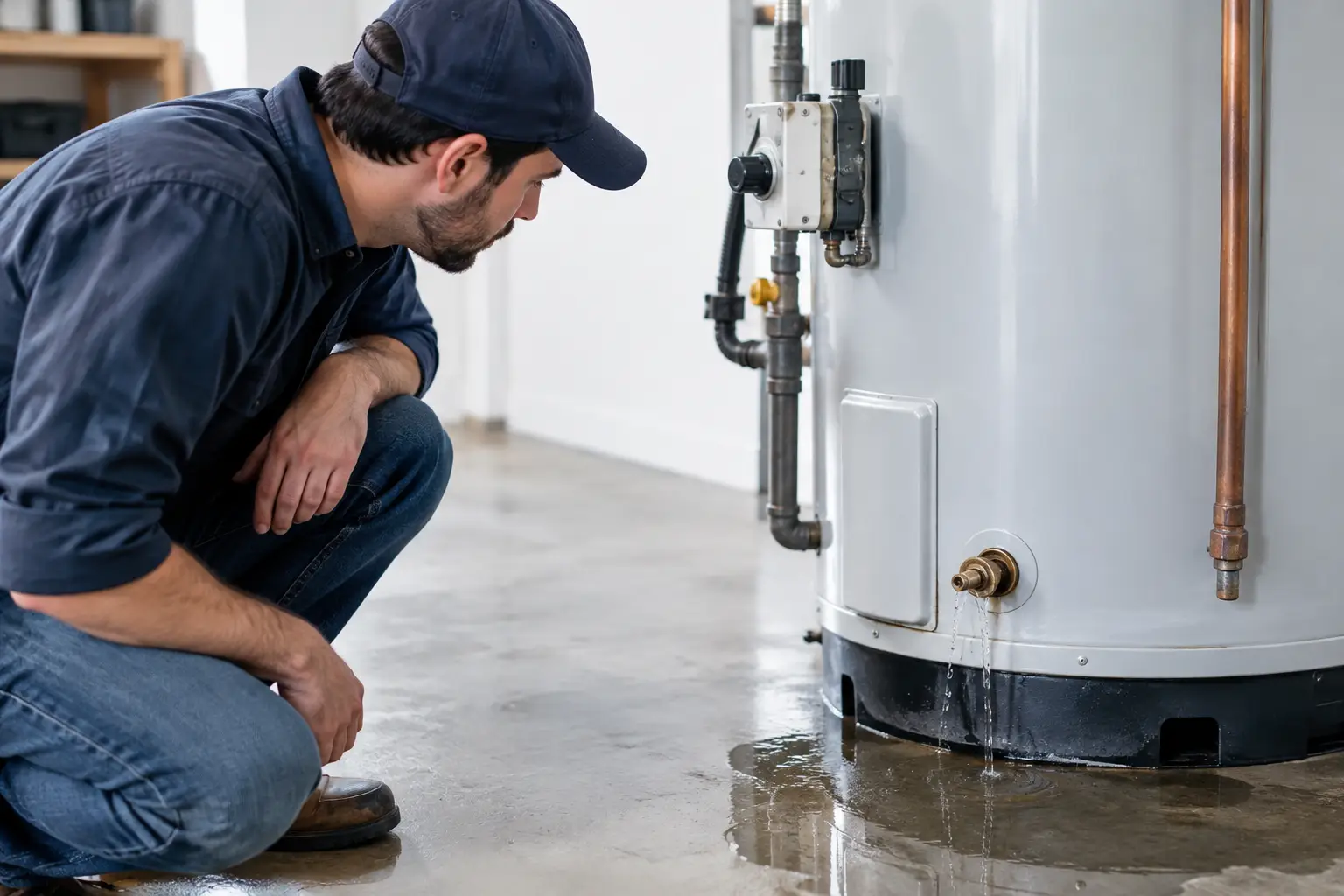
A puddle near the water heater can turn a normal morning into a major concern fast. If you are asking, why does water heater leak, the answer depends on exactly where the water is coming from. A loose connection may need a straightforward repair, while water seeping from the tank itself can point to corrosion and a pending replacement. The key is to act early, protect your home, and avoid assuming every drip is harmless.
First, Confirm That Your Water Heater Is Actually Leaking
Not every bit of moisture around a water heater comes from a failed unit. In Raleigh-area homes, humid conditions can create condensation on a cold tank or nearby pipes, especially during periods of heavy hot-water use. A small amount of moisture may also come from a drain line, a nearby plumbing leak, or water tracked in from another area.
Start by drying the floor and exterior of the tank with towels. Then place dry paper towels around the base, fittings, and pipes above the heater. Check again after an hour or after someone uses hot water. This simple step can help identify whether the water starts at the top, side, bottom, or a nearby pipe.
If water is pooling quickly, the leak is active, or you see water near electrical components, do not wait to investigate it over several days. Turn off the water supply to the heater if you can do so safely, and arrange professional plumbing service.
Why Does a Water Heater Leak From the Top?
A leak at the top of a conventional tank water heater is often better news than a leak at the bottom. Many top-side leaks involve a connection or serviceable component rather than the tank itself.
The cold-water inlet and hot-water outlet connections can loosen over time. Pipe fittings may corrode, and a small leak can develop around the threaded joint. Water may also escape from the temperature and pressure relief valve, commonly called the T&P valve. This safety device is designed to release water if temperature or pressure inside the tank becomes unsafe.
A dripping T&P valve should not be ignored or capped. The valve may be worn out, but it can also be responding to excessive pressure, overheating, or a problem with the home’s plumbing system. A qualified plumber should determine why it is opening before replacing the valve alone.
In some cases, water near the top comes from the anode rod connection. The anode rod is a metal component that helps slow tank corrosion. It is an important maintenance item, but servicing it requires the right tools and experience because fittings can be tight and aging tanks can be vulnerable.
Leaks From the Bottom Often Need Faster Attention
Water under the tank is where homeowners should be especially cautious. It may still be caused by a repairable issue, such as a leaking drain valve or condensation. However, it can also mean the tank has corroded from the inside.
Sediment is a common contributor. Minerals in the water settle at the bottom of a tank over time. As sediment builds up, it can reduce efficiency, contribute to popping or rumbling noises, and create conditions that wear on the tank lining. Once the steel tank rusts through, the water heater itself cannot usually be repaired safely. Replacement is typically the practical solution.
Look closely at the drain valve near the bottom of the heater. If the water begins at the valve, a plumber may be able to repair or replace that part. If the water appears to emerge from beneath the tank shell or from a rusted seam, the tank has likely failed.
Do not confuse a slow leak with a small problem. A few ounces of water each day can damage flooring, drywall, framing, and stored belongings. It can also create conditions for mold growth in a utility closet, garage, crawl space, or finished area of the home.
Temperature, Pressure, and Expansion Problems
Water expands as it heats. In a closed plumbing system, that expansion can raise water pressure and put stress on the water heater, fittings, and safety valve. A properly sized expansion tank can help manage this pressure where it is needed.
Excessive temperature can cause trouble, too. Most households do well with a water heater setting around 120 degrees Fahrenheit. Higher settings increase the risk of scalding, waste energy, and place more demand on the system. If your water is unusually hot, the heater is making strange sounds, or the relief valve is releasing water, schedule service promptly.
Pressure and temperature concerns are not good do-it-yourself experiments. The water heater holds hot water under pressure, and safety components must be selected and installed correctly. A professional diagnosis can identify whether the source is the heater, a valve, the pressure-reducing equipment, or another part of the plumbing system.
What to Do When You Find a Water Heater Leak
Your next steps should focus on limiting water damage and avoiding injury. If the leak is substantial, turn off the cold-water supply valve above the heater. If you cannot safely isolate the heater, use the home’s main water shutoff valve.
For an electric water heater, switch off the dedicated breaker before working near water or calling for service. For a gas unit, do not attempt to disconnect gas piping. If you smell gas, leave the area, avoid switches or flames, and contact your gas utility and qualified help from a safe location.
Move boxes, rugs, and valuables away from the leak. Use towels or a shallow pan to contain minor drips if it is safe to do so. Take a few clear photos of the leak location and any rust or standing water. They can help a plumber understand what is happening before arrival.
Avoid tightening random fittings, forcing a stuck drain valve, or plugging a relief valve discharge pipe. A quick fix can worsen the leak or interfere with an essential safety feature.
Repair or Replace? The Answer Depends on the Cause
A water heater does not always need replacement just because it leaks. Leaking connections, drain valves, relief valves, and certain external components may be repaired when the tank is otherwise in good condition. A professional inspection can also catch issues before they become an emergency.
Replacement becomes more likely when the tank body is rusted, water is coming through the bottom seam, or the unit is nearing the end of its useful life and needs costly repairs. Age alone is not the only factor, but it matters. A newer heater with a minor fitting leak often makes sense to repair. An older unit with internal tank corrosion does not.
When replacement is needed, the right choice is not automatically the largest tank. Household size, peak hot-water demand, available fuel source, installation space, venting, and budget all matter. Some homeowners prefer a tank system for familiar operation and lower upfront cost. Others may benefit from a tankless option that provides hot water on demand, depending on their usage and home setup.
A clear estimate should explain the diagnosis, repair or replacement options, and the work required to bring the installation up to current safety standards. That information gives you a confident basis for deciding rather than forcing a rushed choice after a failure.
Preventing the Next Water Heater Leak
The best prevention is routine attention before corrosion or pressure problems become visible. Check the area around the heater monthly for moisture, rust stains, pipe corrosion, or changes in water temperature. Keep storage away from the tank so leaks are easier to spot and technicians have safe access when service is needed.
Professional maintenance can include checking connections, inspecting safety components, evaluating the anode rod when appropriate, and flushing sediment based on the equipment, water conditions, and manufacturer guidance. Not every tank needs the same maintenance schedule, which is why an in-home assessment is more useful than one-size-fits-all advice.
For homeowners in Raleigh, Cary, Apex, and surrounding communities, Delta Heating, Cooling & Plumbing can identify the source of a water heater leak, explain the options clearly, and help protect your home from further damage. A small puddle deserves a prompt answer, especially when it is sitting beneath one of the hardest-working appliances in your home.