A heater rarely quits at a convenient time. It often starts with a bedroom that never warms up, a new rattling sound after the system starts, or a thermostat that seems to have a mind of its own. Prompt heating repair can turn those early warnings into a straightforward service call instead of a cold-house emergency, a larger repair, or a safety concern.
For homeowners in Raleigh and nearby communities, heating problems can be easy to dismiss during a mild stretch of weather. But when overnight temperatures drop, a system that has been struggling may not have enough capacity to keep the house comfortable. Knowing what to watch for helps you act with confidence and gives your technician useful information from the start.
Signs Your Home May Need Heating Repair
Some heating problems are obvious: the system will not turn on, it blows cool air, or the indoor temperature keeps falling. Others build gradually. You may notice that the unit runs longer than usual, certain rooms stay chilly, or the system starts and stops repeatedly without reaching the thermostat setting.
Unusual sounds deserve attention, especially banging, screeching, grinding, repeated clicking, or a loud vibration that was not there before. A clogged filter can restrict airflow and contribute to overheating, while worn mechanical components, electrical issues, or a failing blower can create more serious symptoms. The sound itself does not identify the repair, but it is a helpful clue.
Rising utility bills can also point to a heating issue. A higher bill is not automatically evidence of a failing system. Colder weather, changes in household routines, insulation gaps, and thermostat settings all affect energy use. Still, if your bill rises alongside longer run times or uneven comfort, it is worth having the equipment evaluated.
Pay attention to the air coming from your vents as well. Weak airflow, dusty odors that do not fade after the first seasonal use, or rooms with major temperature differences may indicate an airflow or equipment problem. In a home with a heat pump, cool-ish air can sometimes be normal during part of the heating cycle. Air that feels consistently cold, however, is not something to ignore.
What You Can Check Before Calling for Heating Repair
A few safe checks may resolve a simple issue or help rule out common causes. First, confirm that the thermostat is set to Heat and that the temperature setting is above the current room temperature. If the thermostat uses batteries, replace them if the display is dim, blank, or unresponsive.
Next, check the air filter. A filter packed with dust can restrict airflow, reduce comfort, and place unnecessary strain on the system. Replace a dirty filter with the correct size and type for your equipment. Avoid running a system without a filter, even temporarily, because that can allow debris into sensitive components.
Make sure supply vents are open and unobstructed by furniture, rugs, or drapes. Check that the electrical panel has not tripped a breaker. If you have a heat pump, look at the outdoor unit from a safe distance. Leaves, mulch, and debris around it can interfere with airflow. Do not chip away ice, remove panels, or attempt to repair electrical or fuel-related parts yourself.
If these basic checks do not restore normal operation, turn the system off if it is making alarming noises, cycling rapidly, or producing a burning smell that persists. Then schedule professional service. Repeatedly restarting a malfunctioning heater can make a minor failure worse.
When a Heating Problem Is a Safety Issue
Certain symptoms call for immediate action rather than troubleshooting. If you smell gas, leave the home without operating light switches, appliances, or electronics. Once you are safely away, contact emergency responders or your gas utility according to their instructions. Do not return until the property has been cleared for safety.
A carbon monoxide alarm should always be taken seriously. Get everyone, including pets, outside to fresh air and contact emergency services. Carbon monoxide has no reliable smell or color, which is why working alarms are essential in homes with fuel-burning equipment.
Soot around heating equipment, smoke, sparks, frequent breaker trips, or a strong electrical burning odor also require prompt professional attention. Shut the equipment down if it is safe to do so. Comfort matters, but safety comes first.
Why Professional Diagnosis Makes a Difference
A heater can show the same symptom for several different reasons. No heat might involve a thermostat issue, restricted airflow, an electrical fault, an ignition-related problem, a failed safety control, or a component within the system itself. Replacing a part based on a guess can waste money and leave the underlying issue unresolved.
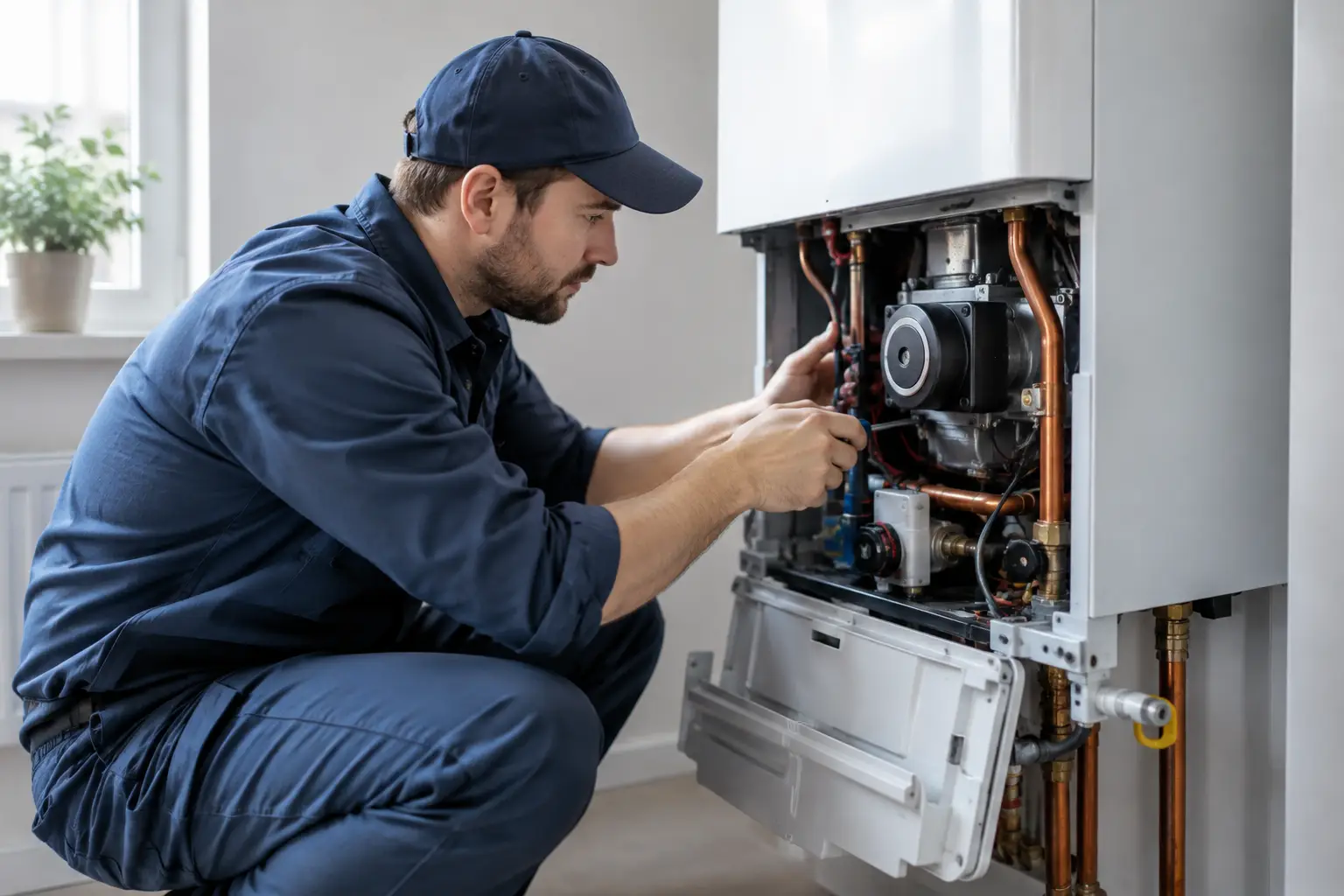
A qualified technician follows the system through its operating sequence, tests relevant components, checks airflow and electrical readings, and looks for conditions that may have caused the failure. This process matters because a repair should address both what stopped working and why it stopped working.
At Delta Heating, Cooling & Plumbing, NATE-certified technicians use advanced diagnostic tools to help identify the source of the problem and explain repair options in clear terms. Homeowners should know what the issue is, what work is recommended, and what the cost will be before approving a repair. Straightforward pricing makes it easier to make the right decision for your home and budget.
Repair or Replacement: The Right Answer Depends
Not every heating issue means replacement is the better choice. Many systems can be repaired reliably, particularly when the problem is isolated, the equipment has been well maintained, and the repair cost is reasonable compared with the system’s overall condition.
Replacement deserves a conversation when repairs are becoming frequent, comfort remains inconsistent after service, energy costs keep climbing, or a major component fails in an older system. Age alone is not the only factor. A well-maintained unit may have useful life left, while a newer system with recurring issues may need a closer look.
A good recommendation accounts for repair history, equipment condition, efficiency, safety, and your plans for the home. Ask for the reasoning behind both options. If replacement is suggested, a free second opinion can provide additional clarity before you make a major investment.
Preventing the Next Cold-Weather Breakdown
Maintenance cannot prevent every repair, but it gives small problems fewer chances to become disruptive failures. Seasonal service allows a technician to inspect electrical connections, airflow, safety controls, filters, and key operating functions before the system is under heavy demand.
Between visits, change filters on schedule, keep vents clear, and pay attention to changes in sound, airflow, and run time. Do not wait for a complete shutdown if your heater has been acting differently for several days. Early service is often less stressful and may provide more repair options.
If your home is uncomfortable tonight, start with the safe checks above and call for help when the problem persists. A clear diagnosis and timely repair can restore more than heat – it can restore the confidence that your home will be ready when the temperature drops.