A well pump rarely gives much warning before it becomes a household emergency. One day the water pressure feels normal; the next, faucets sputter, the shower slows to a trickle, or there is no water at all. Knowing how to maintain well pumps helps North Carolina homeowners protect a system they rely on every day while spotting small issues before they become a no-water call.
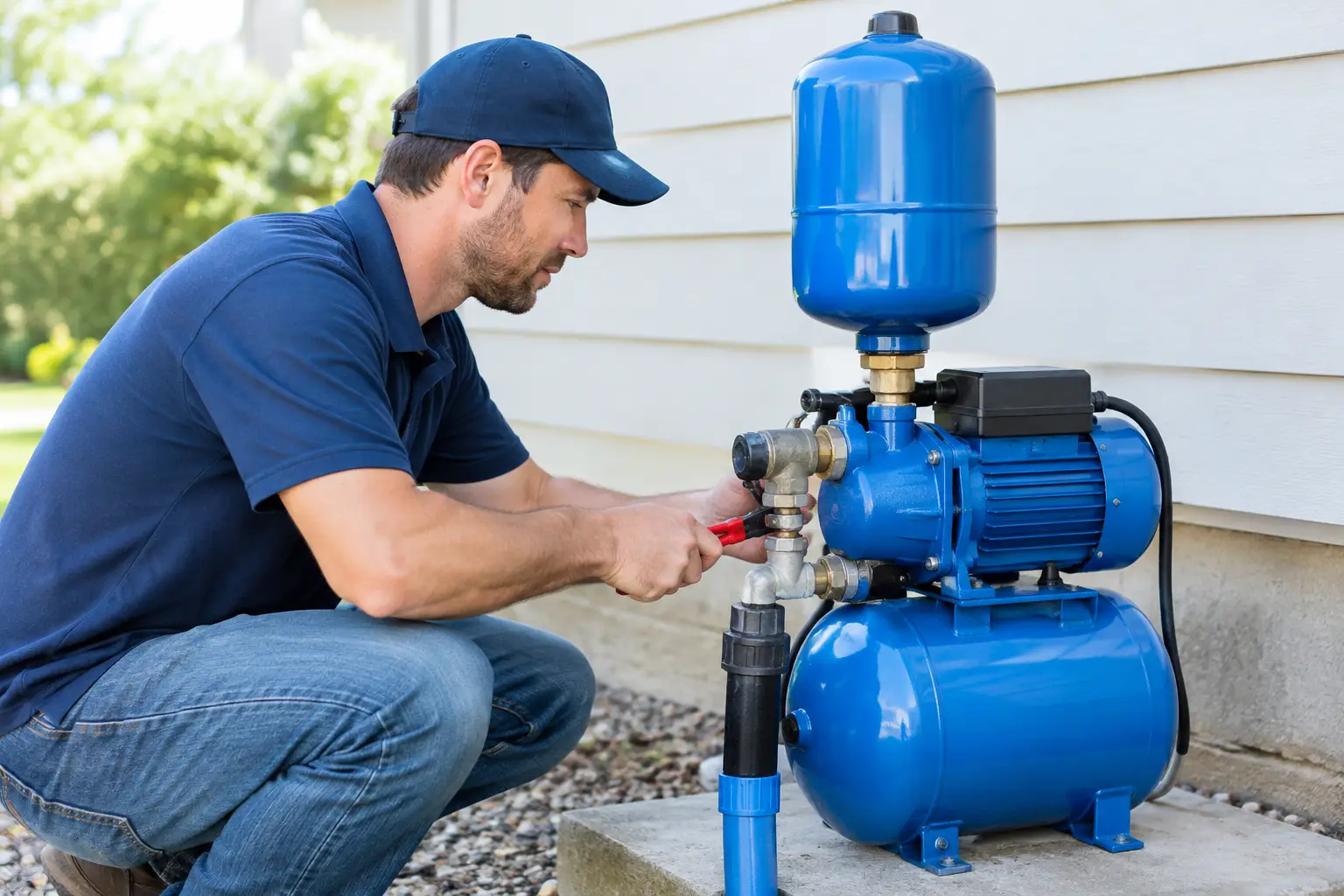
Your well system includes more than the pump itself. Depending on your setup, it may include a submersible pump deep in the well, electrical controls, a pressure switch, a pressure tank, water lines, filters, and treatment equipment. A problem in any one of these parts can affect pressure, water quality, or the pump’s lifespan. The goal is not to take apart the system yourself. It is to keep the area protected, pay attention to changes, and call for qualified help when the system begins acting differently.
Know What Normal Water Service Feels Like
The easiest way to recognize a problem is to notice what is normal in your home. Most well systems should provide steady water pressure for ordinary tasks such as showering, flushing toilets, and running a washing machine. Pressure can dip slightly when several fixtures run at once, but it should recover promptly after demand stops.
Take note of how often you hear the pump or pressure tank controls click on and off. A pump that starts every few minutes when no water is being used may be short cycling. This can point to a pressure tank issue, a waterlogged tank, a leak, or a control problem. Short cycling puts unnecessary wear on the pump motor and should not be ignored.
Changes in water can also be early clues. Cloudiness, sand or sediment, new odors, staining on fixtures, a metallic taste, or air sputtering from faucets deserve attention. Some changes are related to water chemistry or treatment equipment rather than the pump, but they can still affect your plumbing and your family’s water supply.
How to Maintain Well Pumps With Routine Checks
A homeowner’s maintenance routine is mainly about observation and protection. Once a month, take a quick look at the visible parts of your well system. Check the pressure tank area for moisture, corrosion, dripping fittings, or standing water. Keep the area around indoor equipment dry and accessible, rather than using it for storage.
Outside, inspect the well cap and the area around the wellhead. The cap should be secure and intact. The ground should slope away from the well so rainwater does not collect around the casing. Keep mulch, leaves, animal waste, chemicals, and lawn equipment away from the wellhead. A damaged cap or pooling water can allow contaminants to enter the well.
Use this seasonal checklist to catch common concerns before they grow:
- Look for leaks around the pressure tank, exposed plumbing, and water treatment equipment.
- Watch for unexpected pressure changes, sputtering faucets, or frequent pump cycling.
- Replace or service household water filters according to their instructions so restricted filters do not reduce flow.
- Keep the wellhead clear, capped, and protected from surface runoff.
- Check exposed pipes and equipment before freezing weather, especially in unheated crawl spaces, pump houses, or outbuildings.
If your property uses a separate irrigation system, pay attention to its effect on household water pressure. Large outdoor watering demands can make an undersized system work harder. Avoid running high-demand irrigation at the same time as showers, laundry, and dishwashing when pressure is already limited.
Protect the Pump From Electrical and Water Damage
Well pumps depend on electrical components that should be treated with care. A lightning strike, power surge, loose connection, or failing control can interrupt water service or damage a pump. If your home experiences frequent outages or storms, ask a plumbing professional whether your setup would benefit from electrical protection or an inspection of the pump controls.
Do not remove the cover from electrical controls or attempt wiring repairs. The equipment may carry live voltage, and incorrect adjustments can damage the pump or create a safety hazard. Likewise, avoid changing pressure-switch settings just to increase shower pressure. Higher pressure is not always the answer, particularly if the tank, plumbing, or pump is not designed for it.
Water damage matters, too. If your basement, crawl space, or pump room has flooded, have the well equipment inspected before assuming it is safe to operate normally. Floodwater can affect electrical components and may contaminate a private well. Water testing after flooding is a smart step before relying on the water for drinking and cooking.
Test Your Water and Service Treatment Equipment
A well can produce clear water and still have quality concerns that are not visible or obvious by taste. Private well water should be tested regularly, and it should be retested after flooding, well repairs, changes in taste or color, or nearby land-use changes. Annual testing is a practical baseline for many homes, though your household’s needs may call for more frequent testing.
Testing can identify concerns such as bacteria, nitrates, pH imbalance, hardness, iron, manganese, or other contaminants relevant to your area and property. The right test panel depends on the well’s history, your location, and whether there are nearby septic systems, agricultural activity, or recent flooding.
If you have filtration, softening, or other water treatment equipment, maintain it as part of the overall well system. Replacing filters late can reduce flow. Letting salt, media, or sanitizing requirements slide can affect water quality and equipment performance. A technician can help determine whether a pressure problem begins at the well pump, pressure tank, plumbing, or treatment equipment instead of replacing parts based on guesswork.
Schedule Professional Well System Maintenance
Some well pump maintenance requires tools, training, and diagnostic testing that homeowners should not attempt. A professional inspection can evaluate pressure tank performance, pressure switch operation, wiring, pump draw, flow, plumbing connections, and water quality concerns. It is particularly worthwhile for older systems, homes with fluctuating pressure, or properties that have recently changed ownership.
There is no single replacement timeline for a well pump. Lifespan depends on pump type, water depth, water quality, household demand, electrical conditions, and how often the system cycles. A pump that has served a home for many years may still have useful life left, while a younger pump can wear out early if it is short cycling or pulling sediment.
When a repair is recommended, ask what caused the failure and whether related components should be checked. For example, replacing a pump without addressing a failing pressure tank or damaged controls can lead to another service issue sooner than expected. Clear diagnosis matters more than a quick guess.
Call for Help When These Signs Appear
Do not wait for a complete loss of water if you notice recurring issues. Call a professional when pressure drops suddenly, the pump runs continuously, breakers trip, water becomes discolored, or the system starts cycling rapidly. New noises near the tank or controls, visible leaks, and unusually high electric bills can also point to a system working harder than it should.
If there is no water at all, first confirm that the home’s power is on and that a plumbing fixture is not simply clogged. Beyond those basic checks, avoid repeatedly resetting breakers or cycling power to force the pump to run. Repeated attempts can make an electrical or motor problem worse.
For homeowners in the Raleigh area and surrounding communities, Delta Heating, Cooling & Plumbing can help diagnose well and pump concerns with a straightforward explanation of what is happening and what the repair options are. A timely inspection can often prevent a minor pressure issue from turning into a disrupted household.
Your well system does a demanding job quietly, often out of sight. Give it regular attention, protect the wellhead, keep up with water testing, and treat changing pressure as a reason to investigate early. That approach gives your pump its best chance to keep water flowing when your home needs it most.