A slow kitchen sink may need a very different solution than a sewer line that backs up every few months. With drain snaking versus jetting, the right choice depends on what is blocking the pipe, where the blockage sits, and the condition of your plumbing. Both methods are effective professional drain-cleaning options, but they do different jobs.
A qualified plumber does not simply choose the strongest tool available. The goal is to clear the blockage thoroughly while protecting your pipes and helping prevent another frustrating backup. For many North Carolina homeowners, a camera inspection can take the guesswork out of that decision.
What Drain Snaking Does Best
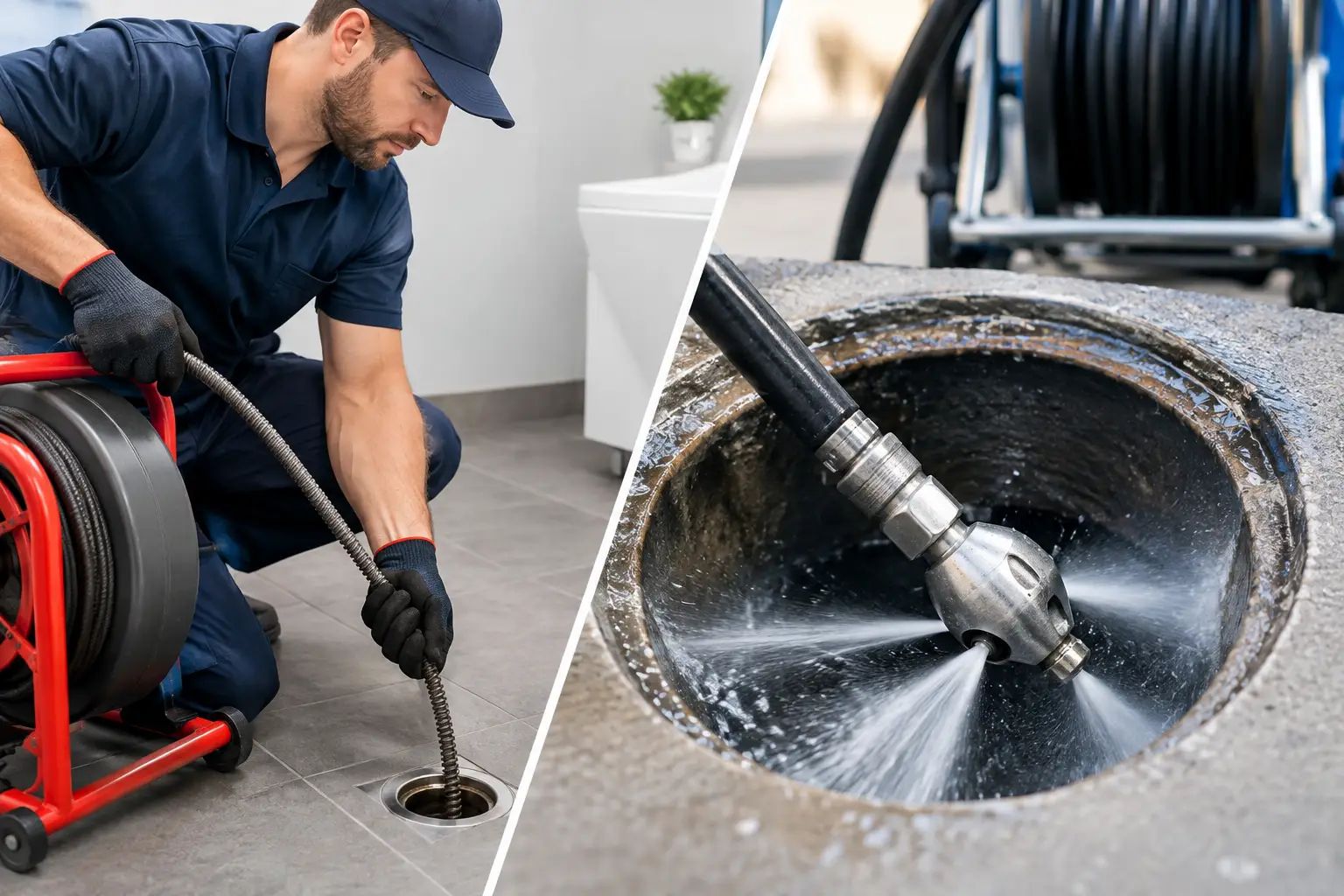
Drain snaking uses a flexible cable with a specialized cutting or retrieval head. The cable moves through the drain line to break apart, cut through, or pull out a localized blockage. You may also hear this service called cabling or augering.
Snaking is often the practical choice for common clogs close to a fixture. Hair, soap residue, paper products, small foreign objects, and compacted debris can create a single obstruction that a properly selected cable head can remove. It is frequently used for bathroom sinks, tubs, showers, toilets, and branch drain lines.
The main strength of a drain snake is precision. A technician can work directly on a specific blockage without sending high-pressure water through the entire line. If a child has flushed something that does not belong in the toilet, for example, a snake may retrieve or dislodge the object without requiring a larger-scale cleaning method.
Snaking can also be a good first step when the source of a clog is reasonably clear. A drain that suddenly stops after a known incident is different from a line that has been gradually slowing down for months. The first may be a simple localized obstruction. The second may point to buildup deeper in the plumbing system.
Where Snaking Has Limits
A drain snake opens a path through a clog, but it does not always scrub the full interior of the pipe. That matters when grease, soap scum, sludge, or scale coats the line walls. The drain may start working again, yet residue remains behind to catch more debris.
Tree roots present another limitation. A cable can cut a channel through root intrusion and restore flow, but roots can grow back. If the line has recurring root problems, a camera inspection can reveal whether cleaning alone is appropriate or whether pipe damage needs attention.
How Hydro Jetting Cleans a Drain Line
Hydro jetting uses a specialized hose and nozzle to send high-pressure water through a drain or sewer line. The water breaks up stubborn material and flushes it out of the pipe. Rather than simply creating an opening in the blockage, jetting is designed to clean much more of the pipe’s interior surface.
This makes hydro jetting especially useful for recurring clogs and heavy buildup. Kitchen drain lines can collect grease and food residue over time, even when homeowners are careful. Bathroom lines can develop layers of soap, hair, and mineral deposits. A sewer line may contain sludge, roots, or accumulated debris that keeps causing backups.
Jetting is not a one-size-fits-all service. Before using high-pressure water, a professional should consider the pipe material, its age, and its overall condition. A camera inspection is often valuable because it shows whether the line is intact, crushed, separated, heavily root-damaged, or otherwise unsuitable for jetting.
When Jetting Makes More Sense
Hydro jetting is often the better fit when multiple fixtures drain slowly, when clogs return after previous clearing, or when a main sewer line has a history of backups. It can be particularly helpful for homes with mature landscaping, where tree roots may find their way into aging underground sewer lines.
For homeowners in Raleigh and surrounding communities, seasonal rain can make an already compromised sewer line more noticeable. Water may not cause the original blockage, but it can expose a drainage problem that has been building in the line. If toilets gurgle, showers back up, or several drains slow down at once, the main line deserves professional attention.
Drain Snaking Versus Jetting: The Key Differences
The simplest way to compare drain snaking versus jetting is to think about the difference between breaking through a blockage and washing the line clean. Snaking is usually targeted at a specific obstruction. Jetting is more comprehensive and is often used to remove widespread buildup from a larger section of pipe.
A snake may be the more efficient service for a single toilet clog or a shower drain blocked by hair. Jetting may be the stronger long-term option for grease-coated kitchen pipes, repeated sewer backups, or widespread buildup that keeps catching debris.
Cost can vary based on the location and complexity of the blockage, access to the line, and whether diagnostic camera work is needed. Homeowners should be wary of choosing a method based only on the lowest immediate price. A quick opening can be helpful, but if the same drain backs up again next month, the original service may not have addressed the underlying condition of the pipe.
The age of the plumbing also matters. Older pipes are not automatically poor candidates for cleaning, but they should be evaluated carefully. Cracks, corrosion, shifting soil, and root damage can change the safest recommendation. Clear diagnostics help prevent a cleaning service from becoming an avoidable repair issue.
Signs You Need More Than a Plunger
A plunger can resolve a minor fixture-level clog, but repeated or whole-home drainage problems call for a closer look. Pay attention if you notice any of these patterns:
- Water backs up into a tub or shower when you flush a toilet.
- Several drains become slow around the same time.
- You smell sewer odors near drains or outside near the sewer line.
- A drain clears temporarily but clogs again within days or weeks.
- Toilets bubble or gurgle when other plumbing fixtures are used.
These symptoms can point to a blockage in the main drain or sewer line rather than a simple clog at one fixture. Pouring chemical drain cleaners into the line is rarely the best next move. These products may not reach or remove the real obstruction, and repeated use can be hard on certain pipes and fixtures.
Why Camera Diagnostics Matter
The best drain-cleaning decision starts with accurate information. A sewer camera gives the technician a view inside the pipe, helping identify the type and location of the problem. It can distinguish a buildup issue from tree roots, a collapsed pipe, a sagging section of line, or an object lodged in the drain.
That visibility helps avoid unnecessary work. If a camera shows a localized blockage in an otherwise clean, sound line, snaking may be the sensible solution. If it reveals thick buildup along a longer stretch of pipe, hydro jetting may offer a more complete cleaning. If the camera finds a damaged line, cleaning may restore temporary flow, but repair options should also be discussed plainly.
This approach gives homeowners a clearer estimate and a better understanding of why a specific service is recommended. You should not have to approve drain work without knowing what is happening below the floor or in the yard.
Protecting Your Drains After Cleaning
Whether your line is snaked or jetted, a few habits can reduce future clogs. Keep grease, coffee grounds, wipes, paper towels, and hygiene products out of drains and toilets. Use a sink strainer to catch food scraps and a hair catcher in showers. If roots or recurring buildup have caused past trouble, schedule service before a full backup disrupts your home.
Delta Heating, Cooling & Plumbing can inspect the problem, explain the options in straightforward terms, and recommend the cleaning method that fits your pipes rather than applying the same fix to every drain. When a drain starts giving warning signs, addressing it early is usually easier, cleaner, and less stressful than waiting for wastewater to come back into the house.