A Cary summer can turn a small air conditioning issue into a whole-house problem fast. When your system is blowing warm air, running constantly, or leaving upstairs rooms uncomfortable, you need clear answers instead of guesswork. The right Cary HVAC decision depends on what the system is doing, its age, its maintenance history, and whether a repair will provide a lasting solution.
For homeowners, the goal is simple: restore comfort, protect the equipment you already own, and avoid spending money on a short-term fix when a better long-term option is available. Here is how to recognize common HVAC problems and make a confident next step.
When Your Air Conditioner Needs Attention
Air conditioners rarely fail without giving a few warnings. Some signs are obvious, such as no cool air at all. Others can be easy to dismiss until the unit stops during the hottest part of the season.
Pay attention when your home takes much longer to cool than usual, your thermostat setting does not match the indoor temperature, or airflow from supply vents feels weak. A system that starts and stops repeatedly, makes new rattling or grinding sounds, or produces an unexpected spike in energy use also deserves a professional evaluation.
In Cary’s humid climate, comfort is about more than temperature. If the house feels cool but sticky, the system may not be removing moisture as it should. This can happen for several reasons, including airflow restrictions, drainage concerns, thermostat problems, or equipment that is not properly matched to the home. The answer is not automatically a new system. Accurate testing should come before a recommendation.
A clogged air filter is one issue a homeowner can check safely. Replace a dirty filter with the correct size and type recommended for your system. Keep outdoor equipment clear of leaves, grass clippings, and stored items so it can move air properly. Beyond those basics, avoid taking apart HVAC components or repeatedly resetting breakers. Electrical, refrigerant, and drainage issues require trained diagnosis.
Cary HVAC Repair: What a Good Diagnosis Looks Like
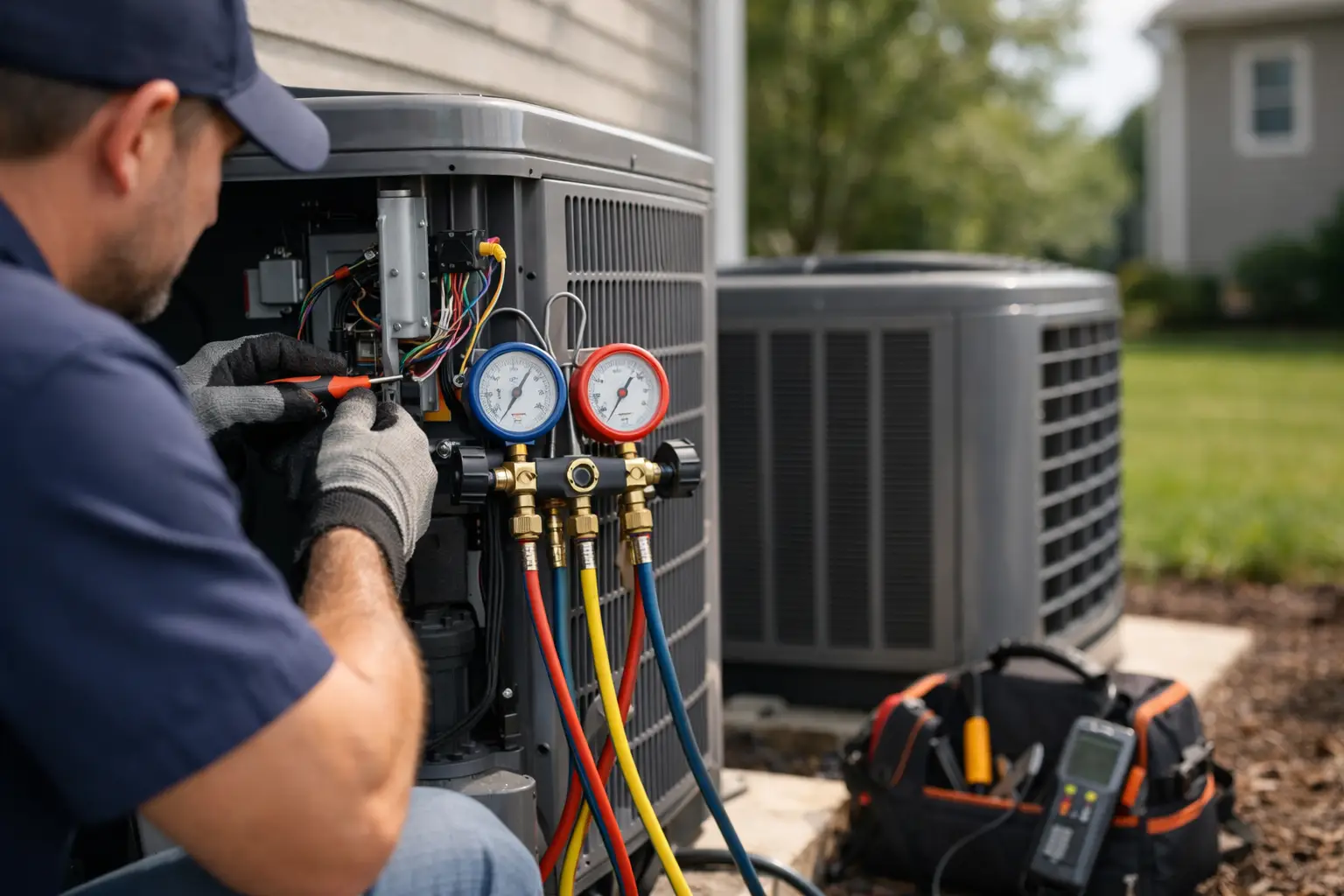
A repair visit should give you more than a part replacement. A qualified technician should listen to what you have noticed, inspect the system, test the relevant components, and explain the findings in plain language.
The cause of a comfort complaint may be a failed electrical component, a worn motor, a refrigerant-related issue, a drainage blockage, a thermostat concern, or a problem with airflow through the home. Treating only the visible symptom can leave the underlying issue unresolved. For example, replacing a failed component without checking why the unit overheated may lead to another service call later.
Ask for a clear estimate before work begins and make sure you understand what the repair addresses. A trustworthy recommendation should distinguish between a repair needed to restore safe operation, maintenance that can improve performance, and optional improvements that can be considered on your schedule.
A repair is often the sensible choice when the equipment has been maintained, the issue is isolated, and the expected repair cost is reasonable compared with the system’s overall condition. Even an older unit can sometimes continue serving a home well after a targeted repair. Age alone does not decide the outcome.
When Replacement May Be the Better Investment
There is a point when repeated repairs become frustrating and expensive. If your air conditioner or heating system needs frequent service, struggles to maintain consistent temperatures, or has a major failure late in its service life, replacement may offer better value.
The decision should consider more than the price of one repair. Think about how often the system has broken down, whether parts are becoming difficult to obtain, how much energy the unit uses, and whether your comfort problems are tied to the equipment itself. Uneven temperatures, high indoor humidity, and excessive operating noise can be signs that the current setup is no longer meeting the home’s needs.
Replacement also creates an opportunity to correct installation or sizing problems. A system that is too large may cycle on and off before it can effectively manage humidity. One that is too small may run for long periods and still fall behind on hot afternoons. Ductwork, insulation, thermostat placement, and airflow all affect results, so equipment selection should be based on an in-home evaluation rather than square footage alone.
A thoughtful proposal explains the available options, expected scope of work, and costs clearly. For many households, financing can make it easier to choose a needed comfort upgrade without delaying a decision until the old system fails completely.
Heating Problems Should Not Wait for Cold Weather
Central North Carolina does not experience the extended winters found farther north, but a reliable heater still matters. A furnace or heat pump that makes unusual noises, delivers cool air in heating mode, cycles frequently, or leaves rooms unevenly heated should be checked before the next cold snap.
Do not ignore burning odors that persist beyond initial seasonal use, repeated breaker trips, or signs of water around indoor equipment. If you suspect a gas-related problem, leave the area if needed and contact the appropriate emergency resource. Do not try to diagnose or repair gas equipment yourself.
Like cooling equipment, heating systems benefit from professional maintenance. A seasonal check can identify worn parts, airflow limitations, electrical concerns, and performance issues before they become an after-hours comfort emergency. It also gives homeowners a clearer picture of the system’s condition before peak demand arrives.
Maintenance Is the Most Practical Cary HVAC Strategy
Maintenance is not a guarantee that a system will never need repair. Parts wear out, storms happen, and equipment can fail unexpectedly. What maintenance does is reduce preventable strain and give technicians a chance to spot developing concerns early.
During a professional visit, technicians can inspect key electrical connections, check operating performance, examine drainage, assess airflow, clean applicable components, and look for safety or reliability concerns. The exact work varies by system and season, but the purpose remains the same: help the equipment run efficiently and reliably.
Homeowners can support that work throughout the year by changing filters regularly, keeping vents open and unblocked, watching for water near indoor equipment, and maintaining a clear area around the outdoor unit. Closing too many vents or blocking returns can restrict airflow and create problems that look like equipment failure.
A maintenance membership can be especially helpful for busy homeowners who prefer scheduled service, repair savings, and a consistent record of system care. It is a practical choice for newer systems as well as aging equipment because performance problems are easier to manage when they are found early.
Choose Service That Makes the Next Step Clear
When comfort is on the line, homeowners should not have to sort through vague answers or surprise costs. Look for a residential service provider that uses trained technicians, modern diagnostic tools, straightforward pricing, and clear communication from the first call through completion.
If a major repair or replacement is recommended, getting a free second opinion can provide useful peace of mind. The best decision is the one that fits your home’s condition, your family’s comfort needs, and your budget – not a one-size-fits-all answer.
Delta Heating, Cooling & Plumbing helps Cary homeowners move from uncertainty to a clear plan with friendly service, thorough diagnostics, and honest recommendations. Whether your equipment needs a timely repair, routine maintenance, or a carefully planned replacement, addressing the problem early can keep a minor concern from becoming the day your whole house stops feeling like home.