A Raleigh air conditioner rarely chooses a convenient time to stop cooling. It may struggle through a humid July afternoon, start making a new noise after dinner, or quit just as relatives are arriving for the weekend. When you search for the best hvac repair company raleigh homeowners can call, you need more than the first available appointment. You need a technician who can find the real problem, explain the options clearly, and help you make a sound decision for your home.
The right company should make a stressful repair feel manageable. That means responsive communication, qualified technicians, diagnostic work that goes beyond a quick guess, and pricing you can understand before repairs begin.
What Makes the Best HVAC Repair Company in Raleigh?
Raleigh’s climate puts heating and cooling systems to work. Long cooling seasons, high humidity, pollen, and sudden temperature shifts can expose small issues quickly. A weak capacitor, clogged drain line, airflow restriction, refrigerant concern, or worn electrical part may all produce similar symptoms from a homeowner’s point of view: the house is uncomfortable and the system is not acting right.
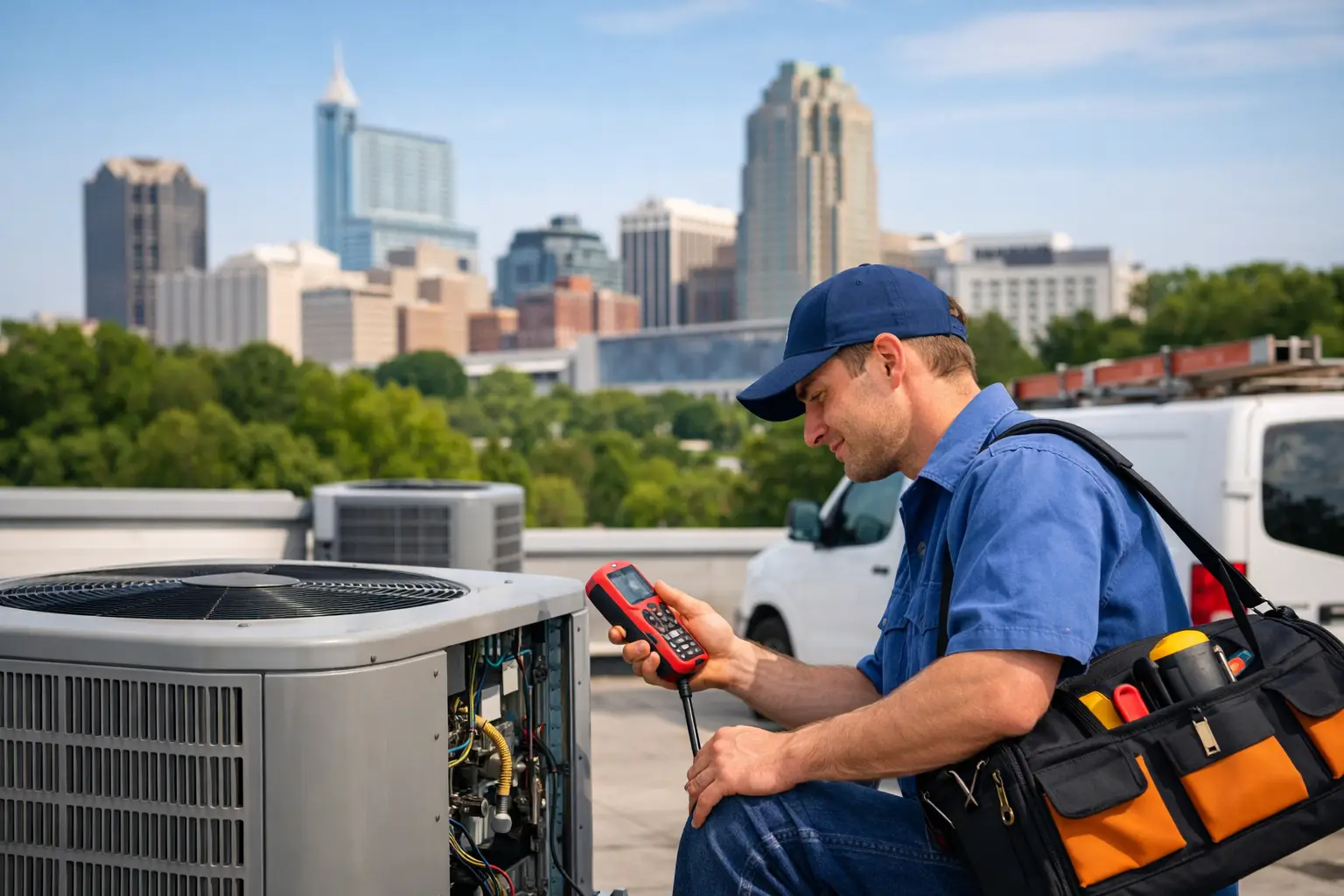
A dependable HVAC company does not treat every no-cooling call the same way. Its technician should evaluate the system, test relevant components, and explain what the findings mean in plain language. A clear diagnosis protects you from paying for a repair that does not address the source of the problem.
Credentials matter, too. Look for a company that sends trained, licensed professionals and invests in continued education. NATE-certified technicians have demonstrated knowledge in HVAC service and installation. Certification alone does not guarantee a perfect visit, but it is a meaningful indicator that a company takes technical standards seriously.
Clear communication is part of the repair
You should not have to translate technical language or feel pressured to agree to work you do not understand. Before authorizing a repair, ask the technician to explain the issue, what repair is recommended, what may happen if you wait, and whether other options are reasonable.
For example, a minor electrical repair on a well-maintained system may be an easy decision. A major repair on an older unit with repeated breakdowns requires a broader conversation. A good contractor will help you compare the immediate repair cost with expected reliability, efficiency, and the condition of the full system. The best answer depends on your equipment, budget, and plans for the home.
Questions to Ask Before You Schedule Service
A few practical questions can tell you a lot about how an HVAC company operates. Ask whether the company provides a clear estimate before work begins and whether its technicians use diagnostic tools to verify the issue. Find out how emergency calls are handled and whether a live operator is available year-round when comfort problems cannot wait.
It is also fair to ask about warranties, maintenance options, and what is included with a recommended repair. If a technician suggests replacement, request a free second opinion before making a large investment. A reputable company should welcome an informed homeowner rather than rush a decision.
Pay attention to the answers, not just the promises. Straightforward explanations, defined next steps, and transparent pricing are better signs than vague assurances that someone will “take care of it.”
Read reviews for patterns, not perfection
Online reviews can be useful, but no service company is immune to an occasional difficult visit. Instead of looking only at a star rating, read recent feedback for patterns. Do customers mention that the technician arrived as expected, listened to their concerns, explained the repair, and left the work area in good shape? When a problem arose, did the company respond professionally?
Reviews are most useful when paired with your direct experience. From the first phone call, you should receive clear information about scheduling and what to expect. Service dispatch technology, GPS-supported vehicle routing, and electronic invoicing can all support a more organized experience, but the essential question remains simple: does the company respect your time and your home?
Watch for Diagnosis Shortcuts and Pricing Surprises
A system that will not cool can have several possible causes. Replacing a part before checking electrical connections, airflow, drainage, and system performance can turn a service call into an expensive cycle of repeat visits. Good diagnostics take time, and that time is valuable.
Be cautious if a recommendation arrives without a clear explanation of the findings. You deserve to know why a repair is needed. You should also be able to distinguish between a necessary repair, a preventive recommendation, and an optional upgrade.
Pricing deserves the same clarity. The lowest advertised service call price is not always the lowest total cost, especially if the diagnosis is incomplete or the final invoice is unclear. Ask for pricing before authorizing work. If the repair changes after further testing reveals another issue, the technician should discuss that change with you before proceeding.
Transparent service is not about promising that every repair will be inexpensive. Some failures are complex, and some systems are nearing the end of their practical service life. It is about receiving honest information early enough to make a confident choice.
Repair or Replace? Make the Decision With the Whole Picture
Replacement is not automatically the right answer because a system is old, and repair is not automatically the best choice because it costs less today. Consider the age of the equipment, the size and frequency of recent repairs, comfort problems in the home, energy use, and whether key components are still in good condition.
If the system has delivered dependable performance and needs a straightforward repair, restoring it may make sense. If it has broken down repeatedly, cools unevenly, struggles with humidity, or requires a costly repair near the end of its expected lifespan, it may be time to discuss replacement options.
A homeowner-centered company will show you the trade-offs. It should provide clear repair pricing, explain installation choices without technical overload, and discuss available financing if a replacement is the better long-term path. The goal is not to sell the largest project. It is to restore reliable comfort in a way that fits your household.
Maintenance Helps You Avoid the Most Urgent Calls
Even a quality system needs regular attention. Seasonal tune-ups help identify worn parts, drainage issues, airflow restrictions, and performance concerns before they become a hot-house emergency. In the Raleigh area, cooling maintenance is particularly valuable before the hottest stretch of the year, while heating service should be scheduled ahead of colder weather.
Homeowners can also help between visits. Change filters on the schedule appropriate for your home, keep outdoor equipment clear of leaves and debris, and call for service when you notice unusual noises, weak airflow, water around indoor equipment, short cycling, or a steady rise in utility costs. Waiting may not always make a repair more expensive, but it often reduces your options and increases the chance of a complete failure.
Maintenance memberships can be worthwhile for homeowners who want scheduled visits, a service history, and easier planning for routine care. The value depends on what the plan includes and how consistently you use it. Ask for the details, including tune-up timing, member benefits, and whether repairs are handled with priority scheduling.
Choose a Company That Can Support the Whole Home
Heating and cooling problems can overlap with other home systems. Condensate drainage concerns, water around equipment, gas connections, and water heater failures may require more than one type of expertise. A residential company that offers both HVAC and plumbing service can simplify the process when problems cross categories.
For Raleigh-area homeowners, Delta Heating, Cooling & Plumbing brings NATE-certified HVAC service, advanced diagnostic tools, transparent pricing, free second opinions, and responsive emergency support under one roof. That combination matters when you need a clear answer quickly, not a chain of referrals.
When your system starts showing signs of trouble, write down what you notice, including when it occurs and whether the thermostat, airflow, or sounds have changed. That small bit of information can help the technician diagnose the issue faster and help you move from uncertainty back to a comfortable home.