
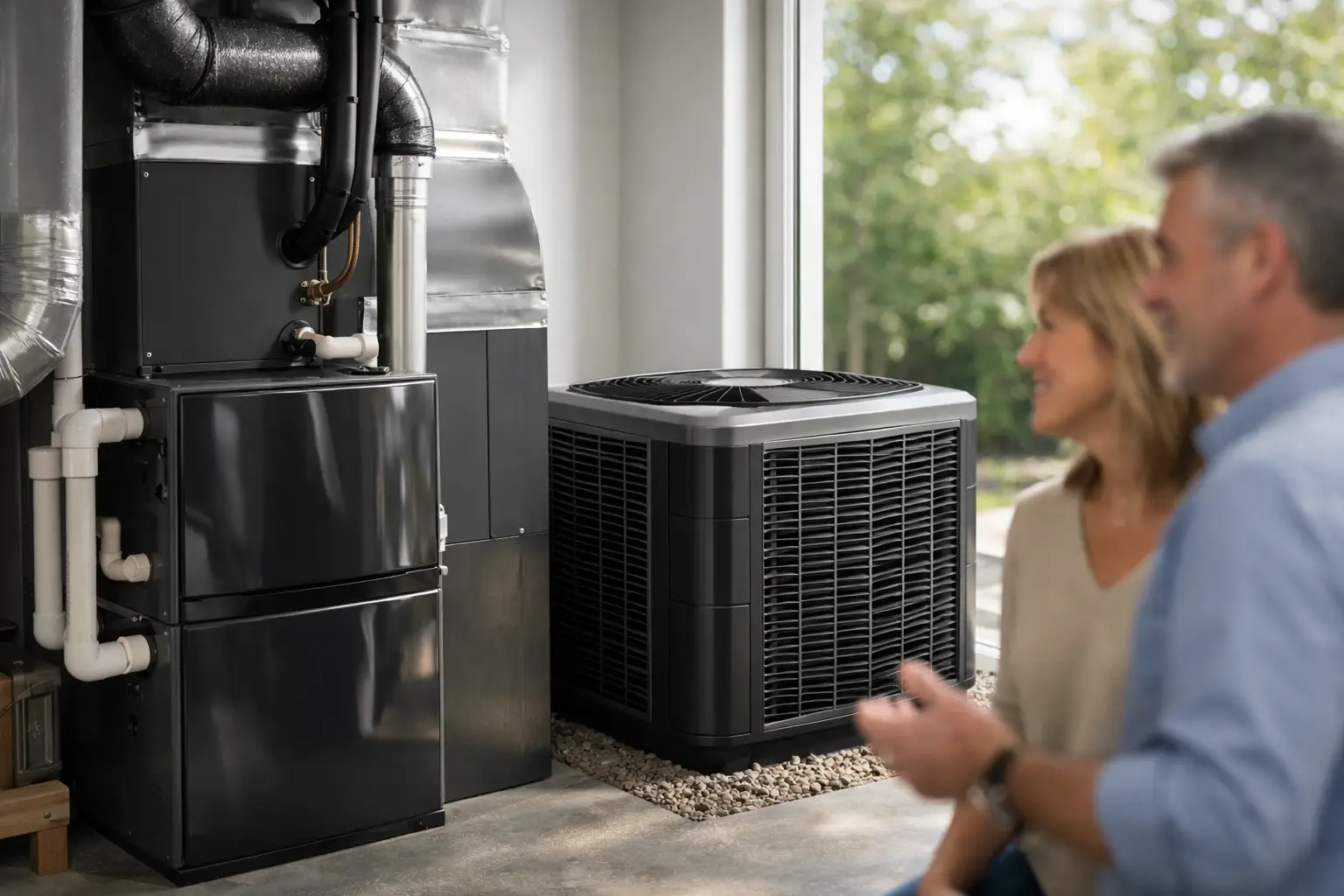
When a Raleigh-area air conditioner runs for hours but certain rooms still feel sticky, the problem is not always the thermostat setting. It may be an aging system that can no longer manage heat and humidity effectively. A delta platinum series system may be on your list of replacement options, but the name alone should not make the decision for you. The right system is the one that fits your home, comfort priorities, and budget – then is installed with the care needed to perform as intended.
What a Delta Platinum Series System Should Be Evaluated On
A system label can suggest a higher level of efficiency, comfort features, or equipment technology. Still, homeowners should look past the tier name and ask what is included in the actual proposal. Heating and cooling equipment works as a connected system, not as a single outdoor unit.
For an accurate comparison, confirm the equipment being proposed, its capacity, efficiency rating, indoor components, thermostat controls, and warranty terms. Ask whether the listed performance ratings apply to the complete matched system being installed in your home. Small differences in an indoor coil, air handler, furnace, or control can affect both efficiency and comfort.
The installation scope matters just as much. A quality proposal should address electrical connections, refrigerant lines, condensate drainage, airflow, startup testing, and any ductwork concerns found during the evaluation. If those details are missing, a lower upfront price may leave out work your home actually needs.
Comfort in North Carolina Means More Than Cool Air
In central and eastern North Carolina, an air conditioner has two major jobs: lower indoor temperature and remove moisture from the air. A home can reach the temperature on the thermostat and still feel uncomfortable if humidity remains high.
Higher-performing systems may offer features intended to adjust output more gradually than basic equipment. Depending on the configuration, that can support longer, steadier cooling cycles and better humidity control. That does not mean every household needs the most advanced option. A homeowner who is away most of the day, plans to move soon, or has a modest comfort concern may make a different choice than someone who expects to stay in the home for many years.
Your ductwork also has a major role. Leaky ducts, poor return-air pathways, insulation gaps, or an undersized supply run can make even new equipment struggle. If one bedroom is always warmer than the rest of the house, ask for that room to be evaluated before assuming a replacement alone will solve it.
Proper Sizing Protects Performance
An oversized system can cool the home too quickly, shutting off before it has enough time to remove sufficient humidity. An undersized system may run nearly nonstop during the hottest stretches of summer and still fall behind. Neither situation delivers the comfort homeowners expect from a new installation.
That is why a professional evaluation should include more than a quick look at the existing equipment’s size. Home additions, replacement windows, attic insulation, sun exposure, ceiling height, number of occupants, and duct conditions can all change how much heating and cooling a home requires. The size of the old system is useful information, but it is not automatically the right size for the next one.
Questions to Ask Before Approving a New System
A replacement decision becomes clearer when you compare proposals on the same terms. Start by asking what specific comfort issue the recommended system is meant to address. Is the goal lower utility use, better cooling in a problem room, quieter operation, improved humidity control, more reliable heating, or a combination of these factors?
Then ask your technician to explain the equipment options in plain language. You should understand what you gain by moving from one option to another and what trade-offs come with the higher investment. Some systems may provide more precise comfort control, while others may be a practical choice for dependable replacement at a lower initial cost.
It is also reasonable to ask about expected maintenance needs, available warranty coverage, and repair considerations. Advanced controls and variable operation can provide meaningful comfort benefits, but they also make professional diagnostics and correct setup especially important. Choosing qualified technicians is part of protecting your investment.
Before you sign, make sure the written estimate identifies the work included. It should be clear whether the price covers removal of old equipment, permits when required, thermostat installation, drain protection, startup commissioning, and any recommended duct or electrical updates. Transparent pricing gives you a better way to compare options without surprises later.
Installation Is Where System Value Is Won or Lost
A delta platinum series system can only deliver its designed capabilities when the installation is handled correctly. Refrigerant charge, airflow, duct static pressure, drainage, electrical safety, and thermostat configuration all need attention. These are not cosmetic details. They influence efficiency, equipment life, noise level, and everyday comfort.
During installation, experienced technicians should protect the work area, remove the old equipment safely, and test the new system before leaving. After startup, the thermostat should be programmed appropriately and the homeowner should know how to operate it, change filters, and recognize signs that service may be needed.
A new system may also reveal issues that were easier to overlook with older equipment. For example, a weak return duct, a blocked condensate line, or poorly balanced airflow can become more noticeable once the new unit is operating consistently. Addressing those issues early helps avoid frustration after a major purchase.
Plan for Maintenance From the Start
No heating and cooling system is maintenance-free. Seasonal service helps catch worn electrical components, drainage concerns, airflow restrictions, and refrigerant-related issues before they lead to a no-cooling or no-heat call. In a humid climate, keeping the condensate system clear is especially important.
Homeowners can help by checking filters regularly and keeping the outdoor area free of leaves, grass clippings, and stored items. The exact filter schedule depends on the filter type, household pets, allergies, and how often the system runs. If you are unsure, ask your technician for a recommendation based on your equipment and home.
Professional maintenance also provides a useful record of system condition over time. That can make repair-versus-replacement decisions less stressful because you are not relying on a single breakdown to tell you what is happening.
When Replacement May Make More Sense Than Another Repair
A repair is often the right answer when the equipment is relatively young and the issue is isolated. Replacement becomes worth discussing when repairs are becoming frequent, cooling performance is inconsistent, energy bills are rising without another clear explanation, or the system is nearing the end of its expected service life.
If a repair recommendation feels unclear, get the details you need before deciding. Ask what failed, whether the repair restores normal operation, and whether another major component is showing signs of wear. A free second opinion can help homeowners weigh a large repair against the cost and long-term value of replacement.
Financing options can also make a planned upgrade easier to manage than an emergency replacement during the hottest week of summer. The goal is not to replace equipment prematurely. It is to make a confident decision with accurate information, clear pricing, and a solution that fits your home.
For homeowners considering a Delta Platinum Series System or another replacement option, the best next step is a complete in-home assessment. Delta Heating, Cooling & Plumbing can evaluate your current equipment, airflow, comfort concerns, and installation needs so you can choose based on how your home actually performs – not just what is printed on a system label.