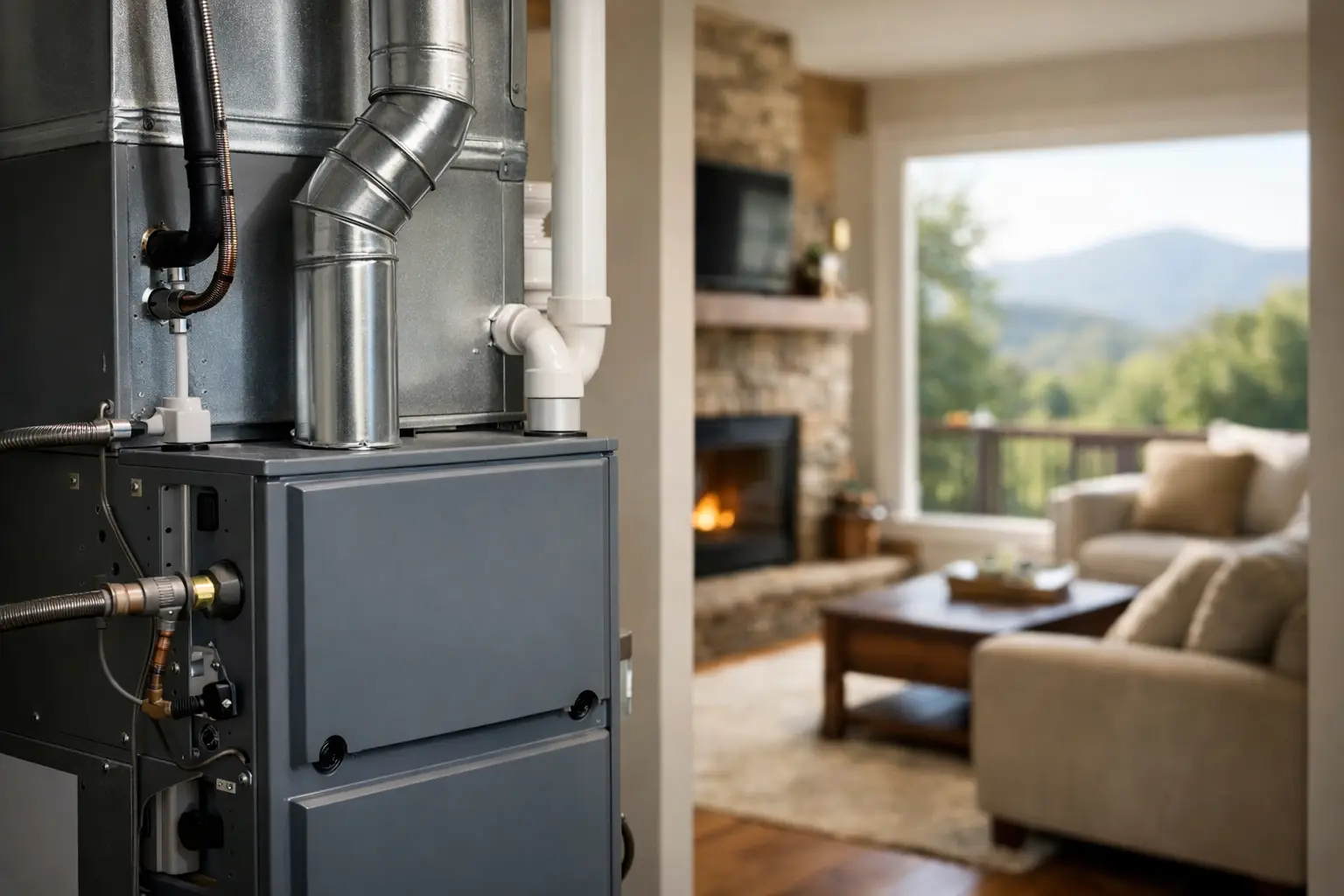
A furnace rarely fails at a convenient time. It is more likely to struggle on the first truly cold night of the season, when your family needs dependable heat most. Understanding how long furnaces last gives you time to plan for repairs or replacement instead of making a rushed decision after a breakdown.
For most Raleigh-area homes, a well-maintained gas furnace can last about 15 to 20 years. Some systems run longer, while others need replacement sooner. The difference often comes down to maintenance history, installation quality, usage, and whether small issues were repaired before they placed extra strain on major components.
How Long Do Furnaces Last?
Fifteen to 20 years is a reasonable life expectancy for a residential furnace. A system that receives regular professional maintenance, has properly sized ductwork, and is installed correctly may reach the upper end of that range. A neglected furnace that runs with dirty filters, airflow restrictions, or unresolved repair needs may have a much shorter working life.
North Carolina winters are generally milder than winters in colder parts of the country, which can reduce seasonal runtime. That can help a furnace last. However, local weather still changes quickly, and many homes rely on their heating equipment during cool nights, damp spells, and occasional freezing temperatures. A furnace that sits unused for much of the year can also reveal an issue when it starts back up in fall.
Age alone does not determine whether a furnace needs to go. An 18-year-old system that heats safely, runs reliably, and has had consistent care may still be a reasonable candidate for repair. A 10-year-old furnace with frequent breakdowns, poor airflow, or installation-related problems deserves a closer look.
What Affects Furnace Life Expectancy?
A furnace is part of a larger heating system, not a stand-alone appliance. Its condition depends on the equipment itself as well as airflow, thermostat performance, ductwork, fuel delivery, and electrical connections. Several factors have an outsized effect on how long it lasts.
Maintenance and filter changes
Routine maintenance is one of the clearest ways to protect furnace life. During a heating tune-up, a qualified technician can inspect safety controls, test performance, clean key areas, check electrical components, evaluate airflow, and identify wear before it becomes a no-heat emergency.
Homeowners also play an important role. Check your air filter regularly and replace it when it is dirty. A clogged filter makes the blower work harder and restricts the airflow needed to move heat through the house. That added strain can contribute to overheating, uneven comfort, and premature component failure.
Installation quality and system sizing
A new furnace should be selected for the home, not just the square footage on a quick estimate. An oversized furnace can heat the house too quickly and cycle on and off repeatedly. A furnace that is too small may run longer than it should while struggling to keep up. Both conditions can create unnecessary wear.
Proper installation also includes safe venting, accurate gas and electrical connections, drainage where applicable, and attention to ductwork. If a system has never heated evenly or has required repeated adjustments since installation, the underlying setup may be contributing to its problems.
Repair history and operating conditions
Every furnace will eventually need a repair. The question is whether the repair is isolated or part of a pattern. A worn igniter or faulty sensor may be a straightforward fix. Repeated blower problems, heat exchanger concerns, frequent limit switch trips, or recurring electrical issues may signal that the system is reaching a less dependable stage.
Pets, construction dust, smoking indoors, and poor return-air airflow can also affect equipment condition. So can skipped maintenance visits. Furnaces do not need constant attention, but they do benefit from being checked before the heating season puts them to work.
Signs Your Furnace May Be Near the End
You do not have to wait for a complete failure to start considering replacement. The most useful warning signs are usually changes in reliability, comfort, and repair frequency.
If your furnace is more than 15 years old and needs repairs more than once in a season, it may be time to compare the cost of continued repairs with replacement. A technician can help you understand whether the issue is minor or whether it points to a larger concern.
Pay attention when rooms heat unevenly, the furnace turns on and off frequently, or the system takes much longer to reach the thermostat setting. Unusual sounds such as banging, rattling, screeching, or persistent humming should also be evaluated. These symptoms do not automatically mean the furnace must be replaced, but they are not problems to ignore.
Higher utility bills can be another clue. Energy costs rise for many reasons, including weather and household habits, so a larger bill is not a diagnosis by itself. Still, when higher heating costs appear alongside poor comfort and repair needs, an aging furnace may be losing efficiency.
For gas furnaces, safety concerns deserve immediate attention. If you smell gas, leave the home if necessary, avoid switches or open flames, and contact the appropriate emergency utility resource. If a carbon monoxide alarm sounds, get everyone outside and seek help right away. Never continue operating a furnace that a technician has identified as unsafe.
Repair or Replace an Older Furnace?
There is no single repair-versus-replacement rule that works for every home. A good decision considers the furnace’s age, the nature of the repair, safety, comfort, expected efficiency, and your plans for the house.
Repair often makes sense when the furnace is relatively young, has been dependable, and needs a limited repair. Replacing a worn part can restore normal operation without committing to the cost of a new system.
Replacement becomes more practical when an older furnace needs a costly major component, breaks down repeatedly, or can no longer provide consistent heat. If your system is near the end of its expected lifespan, putting significant money into a repair may only postpone the next issue. A replacement also gives homeowners the opportunity to address sizing, airflow, thermostat controls, and comfort concerns that an old system could not solve.
It is reasonable to ask for clear options before deciding. A professional assessment should explain what failed, what the repair involves, how urgent it is, and what replacement would change. Transparent pricing and a second opinion can be especially valuable when the recommendation involves a major repair or a full system replacement.
How to Help Your Furnace Last Longer
The most effective approach is simple: schedule heating maintenance each year, replace filters on schedule, and call for service when performance changes. Waiting until the furnace stops working can turn a manageable repair into a larger inconvenience.
Keep supply vents open and unobstructed, and avoid closing off multiple rooms in an attempt to save energy. Your duct system was designed for a certain amount of airflow. Closing too many vents can raise system pressure and make heating less even.
Set the thermostat to a comfortable, steady temperature rather than making extreme adjustments. Smart or programmable schedules can reduce unnecessary runtime while keeping the home comfortable when people are there. If you notice cold rooms, short cycling, new noises, or weak airflow, have the cause diagnosed rather than assuming the furnace simply needs to work harder.
Plan Before a No-Heat Emergency
If your furnace is approaching 15 years old, a seasonal tune-up is an ideal time to ask about its overall condition. You do not need to replace equipment just because of its birthday, but knowing what is wearing out helps you budget and decide on your terms.
Delta Heating, Cooling & Plumbing can inspect your heating system, explain repair options in plain language, and help you make a confident choice for your home. The best time to address an aging furnace is while it is still providing heat – not when your house is cold and every decision feels urgent.