A drain that keeps backing up can make any homeowner want the fastest, strongest solution available. Hydro jetting is one of the most effective ways to clear heavy grease, sludge, scale, and tree roots from a drain or sewer line. But can hydro jetting damage pipes? It can, if the line is already weakened or the work is performed without the right inspection, equipment, and pressure control.
When performed by a qualified plumbing professional after a proper evaluation, hydro jetting is generally safe for pipes in good condition. The key is knowing what is inside the line before introducing high-pressure water. That is why the best hydro jetting service starts with diagnosis, not just force.
Can Hydro Jetting Damage Pipes That Are Old or Weak?
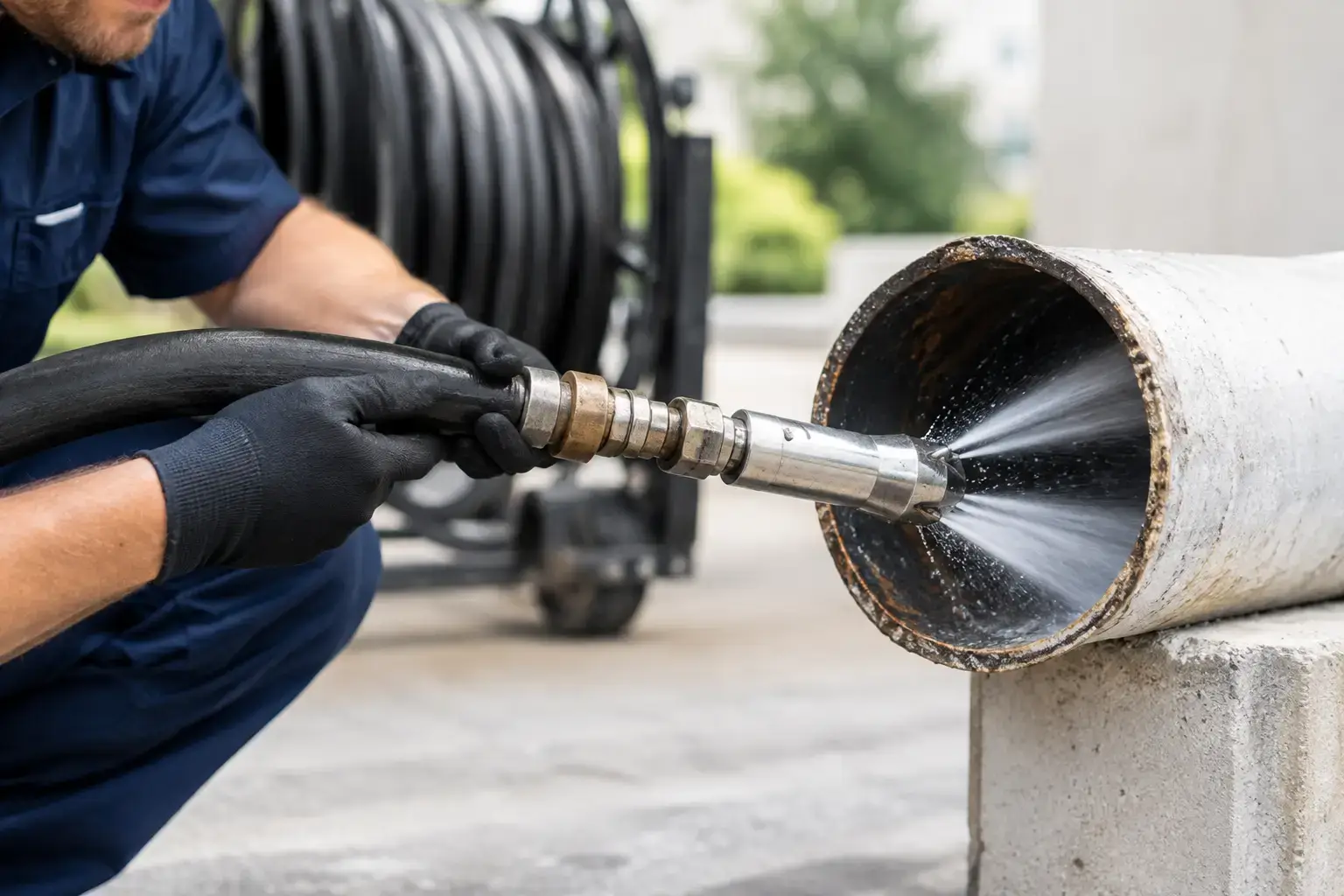
Hydro jetting uses a specialized hose and nozzle to send pressurized water through a drain line. The water breaks apart blockage material and flushes it out of the pipe. Unlike a cable machine, which can punch a hole through a clog while leaving buildup along the pipe walls, hydro jetting cleans a much larger portion of the line.
That pressure is also the reason an existing pipe problem matters. Hydro jetting does not usually create a crack in a sound pipe. However, it can worsen damage that was already there, such as a severely corroded cast-iron pipe, a cracked clay sewer line, a separated joint, or a deteriorating older pipe material.
Think of it this way: the water pressure may reveal a line that was close to failing, but it is not the original cause of the failure. If a pipe has thin walls, hidden fractures, or sections that have shifted underground, forcing water through it can dislodge material or push through a vulnerable area. A professional inspection helps determine whether cleaning is the right next step or whether repair should come first.
Why a Camera Inspection Comes Before Hydro Jetting
A plumbing camera inspection gives the technician a view inside the drain or sewer line. It can identify the type of blockage, where it is located, and whether the pipe is structurally sound enough for hydro jetting.
This step is especially valuable for older homes around Raleigh and the surrounding area, where underground sewer lines may have decades of use behind them. Tree root intrusion, ground movement, corrosion, and scale buildup can all affect how a line should be treated.
A camera can reveal concerns such as:
- Cracks, holes, or collapsed pipe sections
- Root intrusion at joints or breaks
- Heavy corrosion or flaking inside older metal pipes
- Misaligned connections or separated joints
- A sagging section of pipe that holds standing water
The inspection does more than prevent unnecessary risk. It helps the technician choose the correct nozzle, water pressure, and cleaning approach. A thick grease blockage in a kitchen drain requires a different strategy than dense roots in a main sewer line.
Pipes That May Need Extra Caution
Not every drain line is a good candidate for aggressive cleaning. Older cast-iron pipes may be heavily corroded on the inside even when they appear fine from above. Clay pipe can be durable, but joints are more susceptible to roots and shifting soil. Certain older pipe materials can become brittle or deformed over time and should be evaluated carefully before any high-pressure cleaning begins.
Even newer piping deserves a professional assessment. PVC and similar modern drain materials can often handle hydro jetting well when properly installed and in good condition. Yet loose fittings, poor previous repairs, or damage from ground settlement can change the picture.
The concern is not simply the age of the house. A well-maintained older line may be a better candidate than a newer line with a failed connection or a major root problem. That is why a one-size-fits-all answer is not reliable.
When Hydro Jetting Is a Smart Choice
For the right pipe, hydro jetting can be one of the most thorough drain-cleaning options available. It is particularly useful when recurring clogs point to buildup throughout the line rather than a single obstruction near one fixture.
Kitchen drains often collect grease, soap residue, and food particles. Bathroom drains can hold soap scum, hair, and mineral deposits. Main sewer lines may develop root intrusion or years of sludge along their walls. Hydro jetting can remove this material more completely than methods that only open a narrow path through the blockage.
It can also be a practical preventive service for a line that has a known buildup history but remains structurally sound. The goal is not to use high pressure every time a sink drains slowly. The goal is to use the right solution for the actual condition of the plumbing.
Signs You Should Not Wait to Have the Line Checked
A single slow drain may be a local issue. Multiple slow drains, however, can indicate a larger problem in the main line. You should schedule a professional evaluation if toilets gurgle when water drains, wastewater backs up into a tub or shower, or you notice repeated clogs after using store-bought drain products.
Foul odors near drains, unusually green patches in the yard, or a sudden sewer backup also deserve prompt attention. These symptoms can point to a damaged sewer line, not just a clog. In that situation, hydro jetting may still be part of the solution, but only after the line has been inspected.
Avoid repeatedly pouring chemical drain cleaners into the system while you wait. These products can be harsh on certain pipes and may create safety issues for anyone who later works on the drain. A professional diagnosis provides a clearer answer than adding more chemicals or trying increasingly forceful DIY methods.
What Safe Hydro Jetting Looks Like
Safe hydro jetting is a controlled process, not a blast of water sent blindly into a pipe. The technician begins by identifying the blockage and assessing pipe condition. If hydro jetting is appropriate, the technician selects the nozzle and pressure setting for that specific line and monitors how the system responds.
Access also matters. A main sewer line may be cleaned through a proper cleanout, while interior drain lines may require a different approach. The technician should protect the home, explain the findings, and let you know if the camera shows a repair concern before proceeding.
At Delta Heating, Cooling & Plumbing, camera-assisted diagnostics help homeowners understand what is happening inside the line before deciding on the next step. Clear findings and upfront recommendations make it easier to weigh a thorough cleaning against a repair when the pipe condition calls for it.
Hydro Jetting Versus Snaking: Which Is Better?
Neither option is automatically better in every situation. Drain snaking is often effective for a simple, localized clog, such as hair near a bathroom drain or a small obstruction in a branch line. It can restore drainage quickly with less extensive cleaning.
Hydro jetting is often the better choice for recurring blockages, grease-heavy kitchen lines, large-scale buildup, and certain root intrusions. It cleans pipe walls more thoroughly, which may help extend the time between service calls. On the other hand, it requires more planning and is not the right choice for a severely compromised line.
The best method depends on the blockage, the pipe material, its condition, and the location of the problem. A technician who recommends an option after inspecting the line is giving you a more dependable path than one who assumes every clog needs the same treatment.
Protect Your Pipes Before the Next Backup
Hydro jetting should give a clogged line a clean start, not add uncertainty to an already damaged system. If your drains are backing up repeatedly or your sewer line has not been inspected in years, start with a professional camera evaluation. You will know whether the pipe can be safely cleaned, whether a repair is needed, and what it will take to restore dependable drainage in your home.
A clear view inside the line turns a stressful plumbing problem into a decision you can make with confidence.