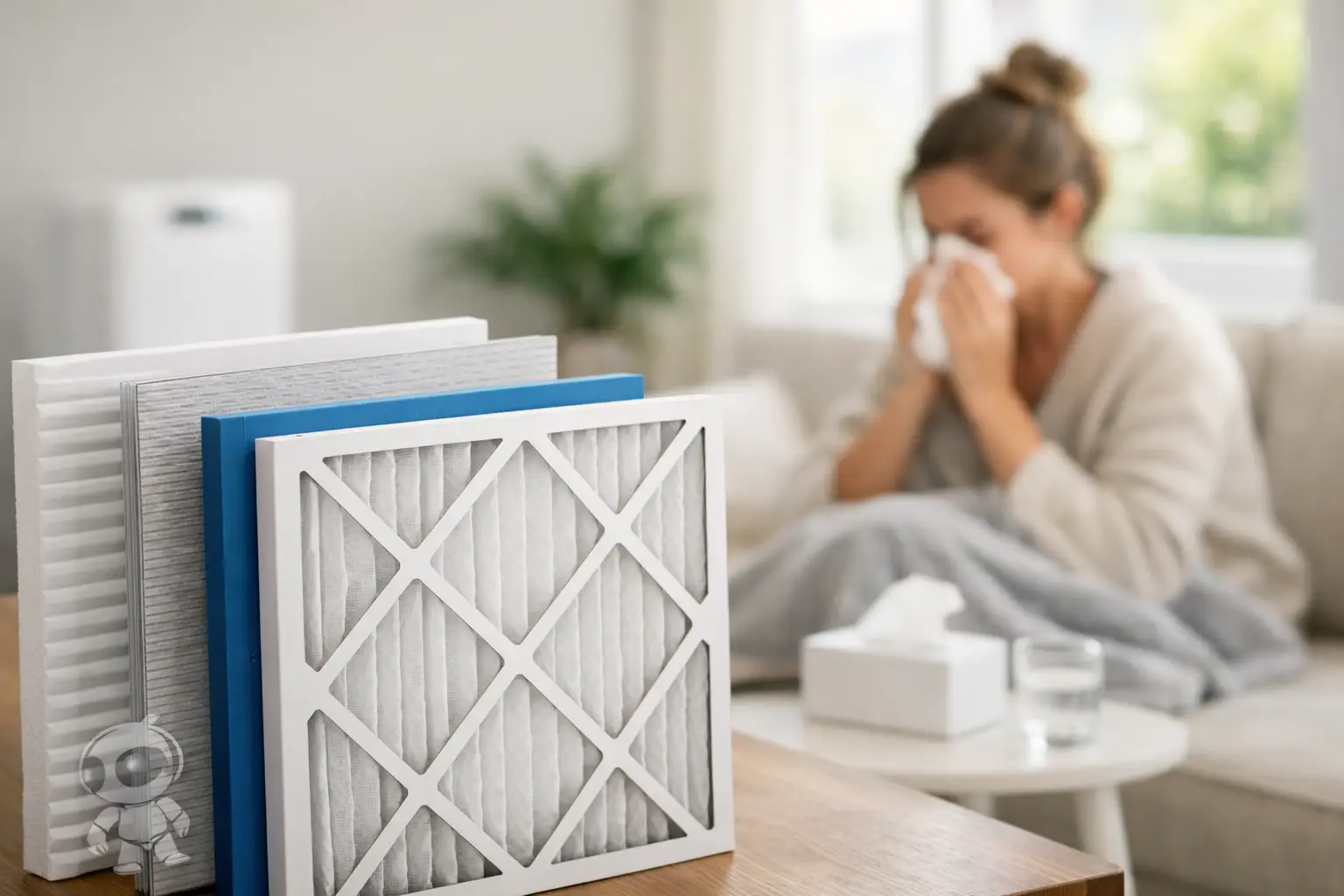
A filter is easy to overlook until spring pollen coats the car, your child wakes up congested, or you cannot stop sneezing indoors. The best air filters for allergies can make a meaningful difference, but only when the filter matches your HVAC system, fits correctly, and is changed before it becomes clogged.
For homeowners in the Raleigh area, allergy season is not limited to one short stretch of the year. Tree pollen, grass pollen, mold spores, dust, and pet dander can all affect indoor air. Your heating and cooling system can help capture many of those particles as air moves through it. Choosing the wrong filter, however, can restrict airflow and create comfort or equipment problems instead of cleaner air.
What Makes an Air Filter Good for Allergies?
An HVAC filter does two jobs at once: it protects the equipment from dirt buildup and removes airborne particles from circulating air. For allergy relief, the key question is how effectively the filter captures smaller particles without making the system work too hard to move air.
Filter performance is commonly measured by its MERV rating, short for Minimum Efficiency Reporting Value. A higher MERV rating means the filter can capture a greater percentage of smaller airborne particles. That sounds simple, but higher is not automatically better for every home.
Very dense filters can increase resistance to airflow. If your system was not designed for that level of filtration, restricted airflow may contribute to uneven temperatures, frozen evaporator coils during cooling season, higher utility costs, and added wear on HVAC components. The right filter is the highest rating your particular system can handle reliably.
Best Air Filters for Allergies: Start With MERV
For many homes, a pleated filter in the MERV 8 to MERV 11 range is a practical starting point. These filters typically capture dust, pollen, lint, and many mold spores more effectively than basic fiberglass filters while maintaining reasonable airflow in properly maintained residential systems.
A MERV 11 to MERV 13 filter may be a better fit for households dealing with significant seasonal allergies, pets, or more sensitive family members. These filters capture finer particles, including more pet dander and some smoke-related particles. Still, the extra filtration comes with a trade-off: the filter may need to be replaced more often, and the system should be evaluated for compatibility.
A MERV 13 filter is not the default answer for every allergy sufferer. In a system with limited return-air capacity, a restrictive filter can cause more trouble than it solves. A qualified HVAC technician can check airflow, duct condition, filter cabinet size, and the overall health of the equipment before recommending an upgrade.
Why Basic Fiberglass Filters Usually Fall Short
Thin, flat fiberglass filters are inexpensive and allow plenty of air through, but they are mainly intended to keep larger debris out of the equipment. They are not a strong choice when your goal is to reduce pollen, fine dust, or pet dander circulating through the house.
They may be appropriate in certain older systems where airflow is already a concern, but homeowners should not assume they are providing meaningful allergy filtration. If symptoms continue indoors, it is worth exploring a better-balanced filtration option rather than simply buying the least expensive filter on the shelf.
What About HEPA Filters?
HEPA filtration is highly effective at capturing very small particles, but a standard one-inch furnace filter is not the same thing as a HEPA filter. Most central HVAC systems cannot accept a true HEPA filter without specialized equipment and design changes because it is too restrictive for typical residential airflow.
That does not mean HEPA has no place in an allergy plan. A properly sized portable air cleaner can be useful in a bedroom or another room where someone spends many hours. It should complement, not replace, proper whole-home HVAC filtration, regular cleaning, and moisture control.
The Filter Must Fit Correctly
A high-rated filter cannot perform well if air slips around it. Check the size printed on the existing filter, then confirm the actual dimensions if the new filter feels loose or difficult to install. Nominal sizes listed on packaging are often rounded, so two filters marked with the same size may differ slightly.
Install the filter with the airflow arrow pointing toward the air handler or furnace. This is usually in the direction air travels from the return grille toward the indoor HVAC equipment. Putting it in backward can reduce performance and cause the filter media to sag or load unevenly.
Also pay attention to thickness. A four-inch or five-inch media filter generally has more surface area than a one-inch filter, which can improve filtration and allow longer replacement intervals. But the filter cabinet has to be designed for it. Do not force a thicker filter into a slot that was built for a thinner one.
When Should You Change an Allergy Filter?
The replacement schedule on the package is a general guideline, not a guarantee. A filter in a quiet home with no pets may stay in good condition longer than one in a busy household with multiple pets, frequent open windows, construction dust, or heavy pollen exposure.
For a one-inch pleated filter, checking it every 30 days is a smart habit. Many homes need a replacement every 30 to 90 days. During a heavy pollen season or a hot North Carolina summer when the AC runs frequently, it may need attention sooner.
A thicker media filter often lasts six months or longer, depending on the model, system runtime, and indoor conditions. Even then, inspect it regularly. A filter that looks gray may still have useful life, while a filter that appears only moderately dirty can be overly restrictive if it is loaded with fine particles.
Replace the filter promptly if you notice weaker airflow from supply vents, more dust around the home, worsening allergy symptoms indoors, unusual HVAC noise, or a filter visibly bowed inward. These signs do not always mean the filter is the only problem, but they are reason to check it first.
Filtration Helps, but It Cannot Solve Every Indoor Air Problem
Air filters capture particles that pass through the HVAC system. They do not remove every allergen from carpets, furniture, bedding, or hard-to-reach surfaces. They also cannot correct excessive indoor humidity, a water leak, or mold growth inside a wall, crawl space, or duct system.
For better results, combine HVAC filtration with practical household habits. Keep windows closed when pollen counts are high, shower and change clothes after spending extended time outdoors, vacuum regularly with a sealed vacuum, and wash bedding weekly. If pets trigger symptoms, keep them out of bedrooms and clean their favorite resting areas often.
Humidity deserves special attention in central North Carolina. When indoor humidity remains high, dust mites and mold can thrive. Your air conditioner should remove some moisture while it runs, but poor system operation, oversized equipment, drainage problems, or airflow issues can leave the home feeling clammy. A humidity concern is worth addressing because it affects both comfort and indoor air quality.
Protect Airflow During Allergy Season
It is tempting to solve allergy discomfort by buying the most restrictive filter available. A better approach is to look at the entire system. Clean filters, sealed and properly sized ductwork, a clean indoor coil, and adequate return airflow all support healthier indoor air and dependable heating and cooling.
If a stronger filter causes rooms to feel stuffy, your system runs longer than usual, or airflow has always seemed weak, do not keep stepping up the MERV rating on your own. The issue may be a dirty coil, undersized return ducts, a blower problem, or a filter cabinet that needs improvement. A professional evaluation can identify the cause and offer clear options before a small airflow issue becomes a repair.
Delta Heating, Cooling & Plumbing can help homeowners choose a filtration approach that supports both allergy relief and safe HVAC performance. A technician can also identify maintenance concerns that may be reducing airflow or allowing excess dust and moisture to affect your home.
The filter you choose matters, but consistency matters just as much. Mark the replacement date, keep the correct size on hand, and treat a clogged filter as a comfort issue rather than a minor chore. Cleaner airflow is one practical way to make home feel like a place where allergy symptoms can settle down.