A failed air conditioner during a Raleigh summer or a heater that quits on a cold night can put any homeowner under pressure. When a technician recommends a costly repair or full replacement, an HVAC second opinion gives you time to confirm the diagnosis, understand your options, and make a confident decision instead of an expensive rushed one.
A second opinion is not about assuming the first contractor is wrong. HVAC systems are complex, and symptoms can overlap. Weak cooling, high energy bills, unusual noises, and short cycling may point to several possible issues. A qualified second technician can inspect the equipment independently, explain what they find, and help you decide what makes the most sense for your home and budget.
When an HVAC Second Opinion Makes Sense
The larger the recommendation, the more reasonable it is to ask for another assessment. If you are being told that your system needs replacement, a major component needs to be replaced, or a repair will cost a significant amount, getting another professional evaluation is a smart homeowner move.
It is also worth seeking a second opinion when the diagnosis feels unclear. You should not be left with a vague explanation such as “the system is old” or “it is probably not worth fixing.” Age matters, but it is only one part of the decision. The condition of the equipment, repair history, efficiency, safety, performance, and expected remaining service life all matter too.
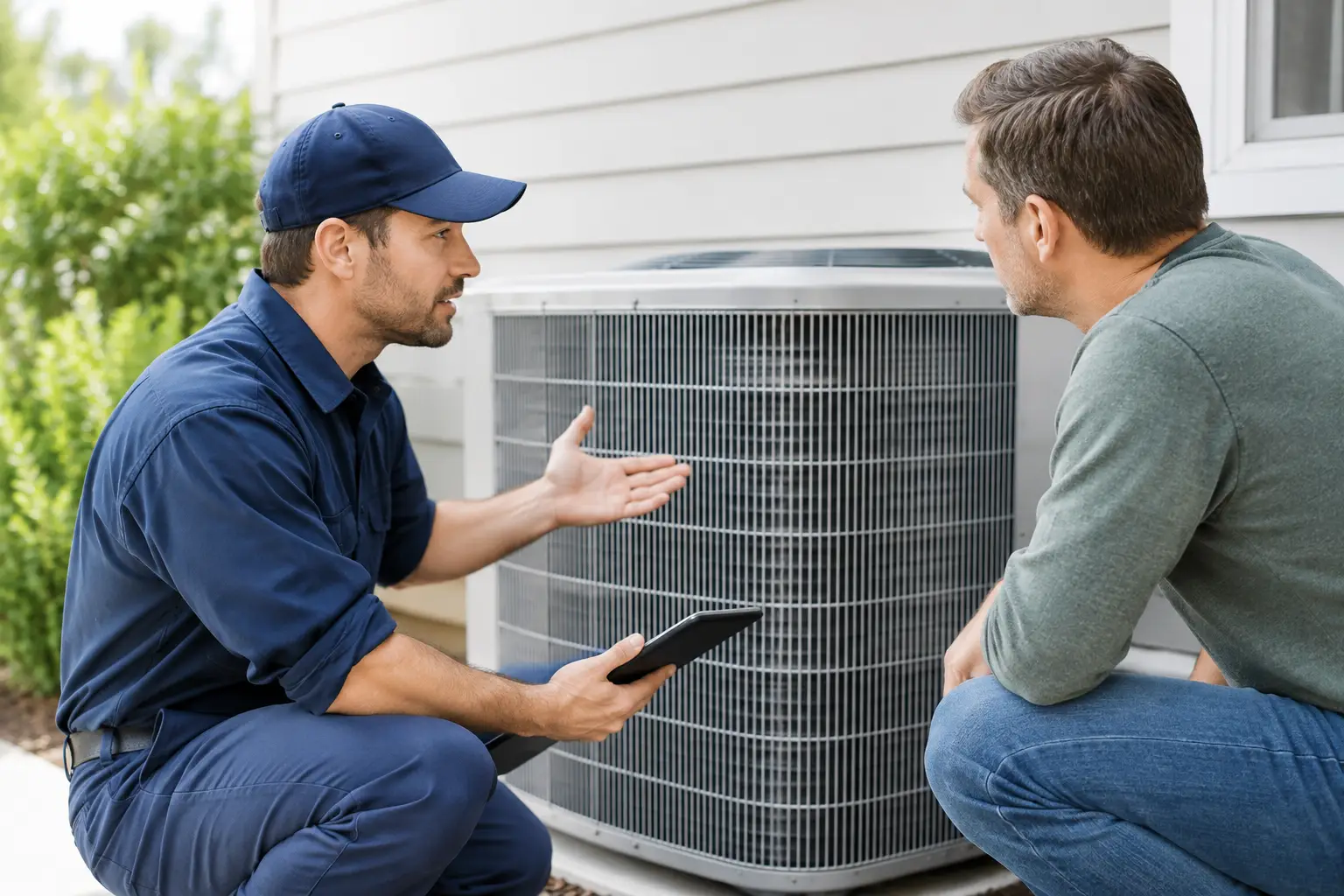
Consider a second visit if the first technician did not perform much testing, could not explain the problem in plain language, or gave you only one option. A dependable HVAC professional should be able to show you what they found and explain the difference between repairing now, monitoring an issue, and replacing equipment.
A second opinion can be especially useful when a system has been repaired repeatedly. One repair may be sensible. Several costly repairs in a short period can change the calculation. Another technician can help determine whether the failures are isolated problems or signs that the system is becoming unreliable.
What a Qualified Technician Should Check
A useful HVAC second opinion begins with diagnosis, not a sales pitch. The technician should listen to what you have noticed at home, review recent service history if available, and inspect the relevant parts of the system.
For an air conditioning concern, that may include checking airflow, thermostat operation, electrical components, refrigerant performance, the indoor and outdoor units, condensate drainage, and signs of wear. For heating equipment, the inspection may involve ignition and safety controls, airflow, electrical connections, the blower, and other components related to dependable operation.
The exact testing depends on the symptom. A system that runs constantly is different from one that will not start. A unit that cools some rooms but not others may have an airflow or duct-related concern rather than a failed major component. That is why homeowners should be cautious about accepting a diagnosis based only on one visible symptom.
A qualified technician should also consider the home itself. Poor insulation, a dirty filter, blocked vents, thermostat settings, humidity, and changes to the living space can affect comfort. In North Carolina, high humidity can make a home feel warmer even when the thermostat setting appears normal. The goal is to identify the actual cause of the problem, not simply replace the most obvious part.
Questions to Ask During a Second Opinion
You do not need technical experience to ask good questions. Start with: “What did you test, and what did the results show?” A clear answer should connect the test results to the recommended repair or replacement.
Ask whether the issue creates a safety concern, an immediate risk of equipment damage, or a comfort problem that can be scheduled. These are very different situations. If a repair is urgent, the technician should explain why. If it can wait, you deserve to know that as well.
It also helps to ask about the likely outcome of each option. If you repair the system, how long might that repair reasonably be expected to last? Are other aging components likely to need attention soon? If replacement is recommended, what problem will a new system solve that a repair will not?
Finally, ask for the price in writing and confirm what is included. A transparent estimate should make it easier to compare labor, parts, warranty coverage, equipment scope, and any related work needed for proper operation. The lowest number is not always the best value if the scope of work is incomplete or the diagnosis is uncertain.
Repair or Replacement: The Decision Depends on More Than Age
Homeowners often hear that an older system should automatically be replaced. Sometimes that is the right answer, but age alone does not make replacement mandatory. A well-maintained system with a repairable issue may continue serving the home reliably. On the other hand, a newer system with recurring breakdowns, poor installation conditions, or serious performance concerns may require a closer look.
A repair may be the better choice when the problem is isolated, the system has performed well, and the cost is proportionate to the equipment’s condition and expected service life. Replacement may be more practical when repairs are becoming frequent, comfort is inconsistent, energy use has increased, or the system can no longer provide dependable heating or cooling.
Your household plans matter too. If you expect to stay in the home for many years, investing in comfort, efficiency, and reliability may carry more value. If you are preparing to sell, the right decision may depend on the system condition, the repair needed, and what will provide a reasonable solution without overspending.
There is no responsible one-size-fits-all answer. The best recommendation should account for your equipment, home, priorities, and budget.
How to Compare Two HVAC Recommendations
Two estimates can look very different even when they address the same complaint. Before choosing, make sure you are comparing like for like. One contractor may be recommending a repair while another recommends replacement because they reached different conclusions. Ask each technician to explain the evidence behind that conclusion.
Look beyond the total price. Compare the diagnosed issue, the work proposed, the parts or equipment involved, warranty terms, expected timeline, and whether the contractor addressed airflow, drainage, electrical connections, and other conditions that affect system performance.
Pay attention to communication as well. A contractor who takes time to answer direct questions and provide clear pricing is more likely to make the process easier if you need follow-up service. You should never feel pressured to approve work before you understand what is being recommended.
Keep copies of estimates, invoices, maintenance records, and any notes about prior repairs. This information helps the next technician see patterns and can make future service visits more efficient.
Do Not Wait If Comfort or Safety Is at Risk
A second opinion should help you make a better decision, but it should not delay action when there is an immediate concern. If you notice burning smells, repeated breaker trips, water around HVAC equipment, no heat during cold weather, or a system that will not shut off properly, arrange professional service promptly.
If the first technician identifies a condition that requires the system to remain off, follow that guidance until another qualified professional evaluates it. A second opinion can still happen quickly, but protecting your home and family comes first.
For homeowners who want another set of experienced eyes before approving major HVAC work, Delta Heating, Cooling & Plumbing provides free second opinions with clear explanations and straightforward options. The right next step is not always the biggest repair or the newest system. It is the decision you can understand, afford, and feel good about after the technician leaves.