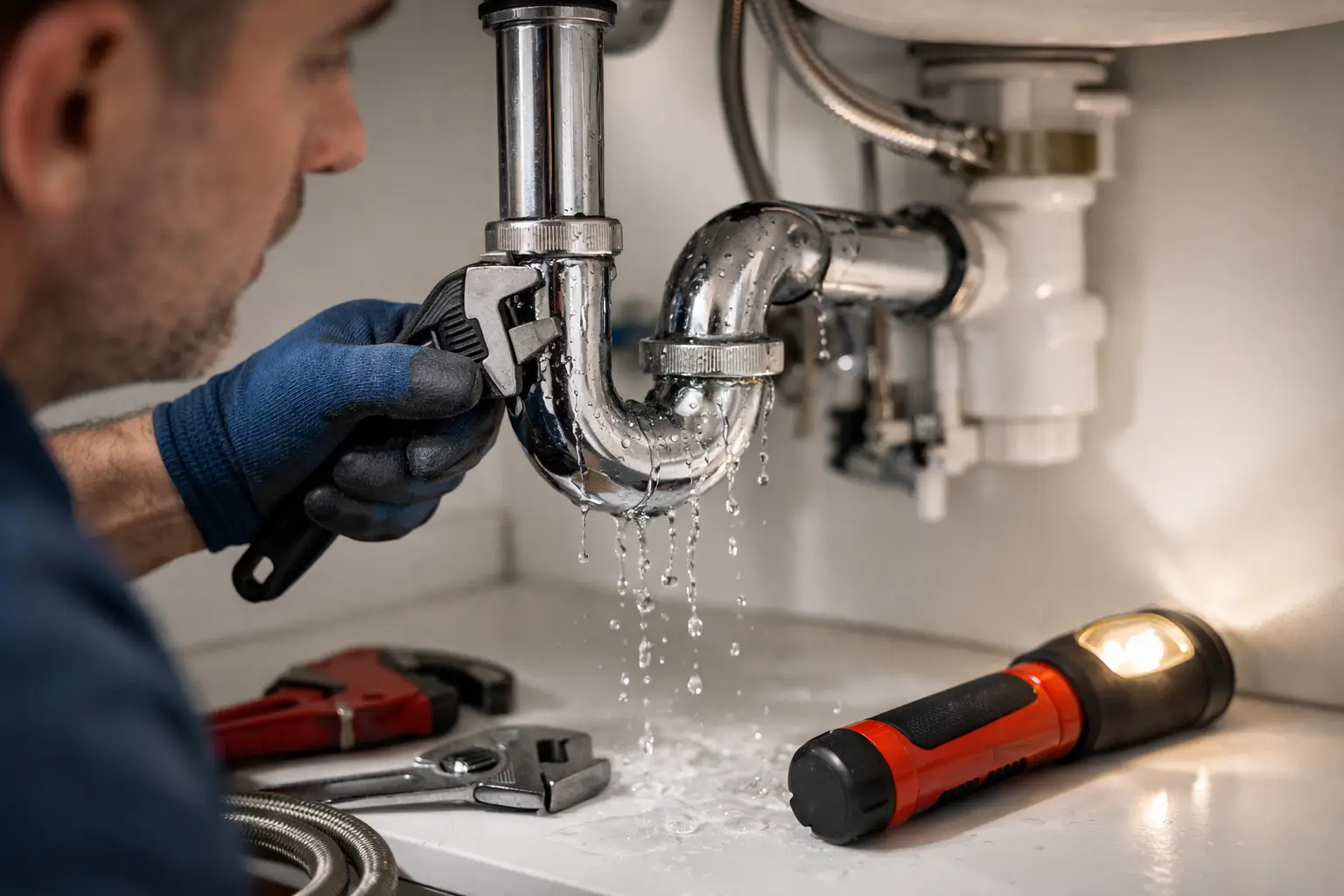
A slow drip under the kitchen sink can seem easy to ignore – until the cabinet floor swells, mildew takes hold, or a small leak becomes a costly water-damage claim. Plumbing repair is often less about reacting to a dramatic failure and more about recognizing the early warning signs that protect your home, budget, and daily routine.
For homeowners in Raleigh and nearby communities, plumbing problems can range from a worn fixture part to a buried water-line issue. Knowing what you can safely check, when to shut off the water, and when to bring in a professional makes the next step much clearer.
When Plumbing Repair Cannot Wait
Some plumbing issues need prompt attention because water can travel farther than you think. A supply line leak inside a wall, for example, may damage insulation, framing, flooring, and ceilings before the stain becomes visible. The goal is not to diagnose every detail yourself. It is to stop active damage and get a qualified technician involved.
Call for professional help promptly if you notice water pooling around a water heater, toilet, or sink base; a sudden drop in water pressure throughout the house; sewage backing up into a tub or shower; or the sound of water moving when every fixture is off. A persistent sewer odor indoors, damp spots in the yard, and an unexplained jump in your water bill also deserve attention.
If water is actively flowing from a pipe or fixture and you cannot stop it at the local shutoff valve, turn off the main water supply to the home. Most main shutoff valves are located near the water meter, in a utility area, crawl space, garage, or along the exterior water line. Every adult in the household should know where it is before an emergency occurs.
A clogged toilet is another situation where a little caution goes a long way. If the bowl is rising instead of draining, do not flush again. Remove the tank lid and close the flapper if water continues to enter the bowl, then use the shutoff valve behind the toilet if needed. Repeated flushing is one of the fastest ways to turn a simple clog into a floor-level mess.
Common Plumbing Repair Problems and What They Mean
Not every problem requires the same response. A dripping faucet may need a cartridge, washer, or valve repair. A faucet that drips only when the handle is off is usually different from one leaking below the sink whenever water runs. The location and timing of the leak give a technician useful clues.
Drains That Keep Slowing Down
A single slow drain may be caused by buildup close to the fixture. Hair, soap residue, cooking grease, and everyday debris can restrict the line over time. If several drains are slow, toilets bubble, or water backs up in a shower when another fixture is used, the problem may be farther down the drain or sewer line.
Store-bought chemical drain cleaners are rarely the best long-term answer. They may not clear the actual obstruction, can be hard on certain pipes and fixtures, and create an unsafe situation for anyone who later opens the drain. Professional drain cleaning, camera-assisted diagnostics, or hydro jetting may be more appropriate depending on the pipe material, location of the blockage, and condition of the line.
Water Heater Changes
A water heater that produces rusty water, runs out of hot water sooner than usual, makes popping noises, or leaks from the base needs an inspection. Some issues can be repaired, such as a failing component or connection. Others point to tank corrosion or a unit approaching the end of its useful service life.
The repair-versus-replacement decision depends on the age of the equipment, the cost of the repair, your household’s hot-water demand, and the condition of the existing installation. A clear estimate should explain what is failing, what the repair addresses, and whether replacement is likely to provide better value over time.
Hidden Leaks Behind Walls or Under Floors
A musty smell, soft flooring, peeling paint, warped trim, or a warm area on the floor can indicate a hidden plumbing leak. These concerns deserve more than guesswork. Advanced leak detection tools can help narrow down the source without opening large areas of the home unnecessarily.
Finding the leak is only part of the job. Effective plumbing repair also means correcting the failed section, checking connected components when appropriate, and giving homeowners a straightforward explanation of what happened. That information helps you decide whether a one-time repair is sufficient or whether aging pipe sections should be monitored or addressed proactively.
What You Can Do Before the Technician Arrives
Homeowners do not need to take apart pipes or attempt a complicated repair to be helpful. A few simple steps can limit damage and make the service visit more efficient.
First, stop using the affected fixture if it is leaking, backing up, or draining poorly. Clear belongings away from the area and use towels or a shallow pan to contain minor water. If there is an active leak, shut off the fixture valve or main water supply as needed.
Next, make note of what you observed. Did the issue start suddenly or gradually? Does it happen every time you use the fixture? Are other drains affected? A short video of an intermittent leak or backup can also be useful if it is safe to take one.
Avoid forcing a stubborn shutoff valve, overtightening a supply connection, or using repeated doses of drain chemicals. These attempts can turn a manageable repair into a larger problem. If there is standing water near electrical outlets, appliances, or the water heater, keep clear of the area and wait for professional guidance.
Why Accurate Diagnosis Matters
The visible symptom is not always the actual cause. Water appearing beneath a dishwasher may come from the appliance connection, a nearby sink drain, a failing supply line, or a leak that traveled along framing from another location. A toilet that rocks may need new mounting hardware, but it could also have a failing seal that has already affected the flooring below.
This is why quality plumbing repair starts with diagnosis rather than assumptions. Camera equipment can show what is happening inside a drain line. Leak detection methods can help locate hidden water loss. Experienced technicians can evaluate pressure, drainage patterns, fixture condition, and pipe materials together instead of treating one symptom in isolation.
The benefit for the homeowner is practical: fewer unnecessary repairs, a clearer scope of work, and better confidence in the estimate. If a repair recommendation involves a major expense, asking for a free second opinion can be a sensible step before moving forward.
Repair, Replacement, or Maintenance: How to Decide
A repair makes sense when the affected part is accessible, the rest of the system is in good condition, and the issue is isolated. Replacing a worn valve, repairing a localized pipe leak, or clearing a defined blockage can restore reliable performance without a major project.
Replacement may be the wiser path when a fixture is repeatedly failing, a water heater is leaking from the tank, or a pipe section has widespread corrosion or damage. Older homes can also have drain or water lines that are more vulnerable to recurring problems. In these cases, the lowest immediate price is not always the lowest cost over the next few years.
Maintenance helps reduce surprises, particularly for homes with older plumbing, hard-working water heaters, well systems, or recurring drain concerns. It cannot prevent every failure, but routine attention can identify small issues before they become disruptive repairs.
Choose a Plumbing Team That Explains the Work
When you need plumbing service, look for more than a quick fix. You should receive a clear explanation of the problem, practical options, transparent pricing before work begins, and respectful care for your home. Technology-enabled diagnostics are valuable, but they work best when paired with a technician who can explain the results in plain language.
Delta Heating, Cooling & Plumbing helps homeowners address everything from urgent leaks and clogged drains to water heater, sewer-line, and fixture concerns. Friendly, trained technicians use the right diagnostic tools for the situation and focus on helping you make an informed decision, not leaving you with unanswered questions.
A plumbing problem rarely arrives at a convenient time. Acting early, protecting the area, and getting a clear professional assessment can keep a small warning sign from becoming the repair you wish you had handled sooner.