
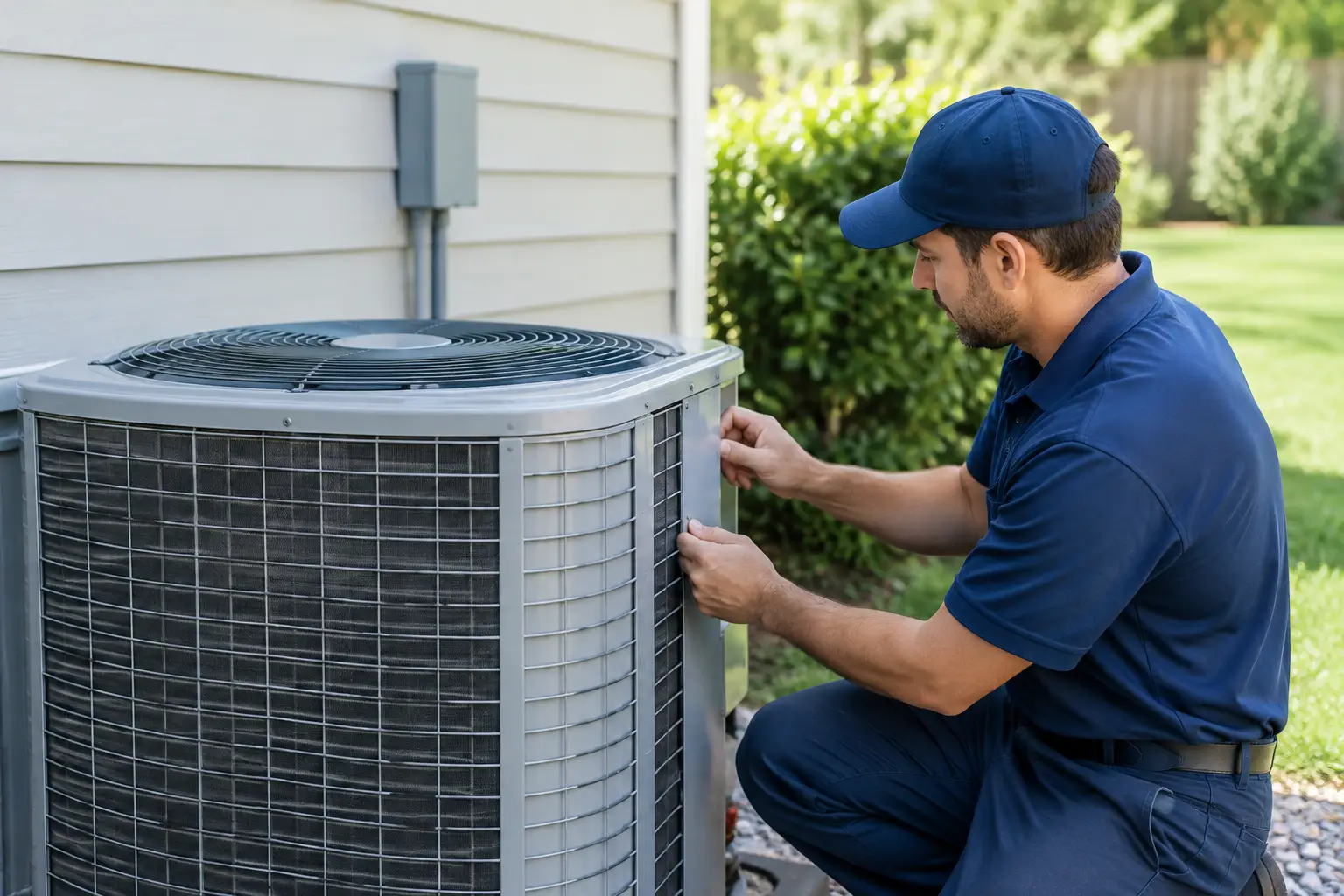
A Raleigh summer can turn a small air conditioning problem into a no-cooling call quickly. If you are asking, “does AC need maintenance?” the practical answer is yes. Routine service helps your system run more reliably through long stretches of heat and humidity, catches developing problems early, and gives you a clearer picture of what your equipment needs before it fails.
Maintenance does not mean your air conditioner will never need a repair. Parts still wear out, storms can cause electrical issues, and older systems eventually reach the end of their useful life. What regular maintenance can do is reduce avoidable strain, improve day-to-day performance, and make surprise breakdowns less likely when your home needs cooling most.
Does AC Need Maintenance Every Year?
For most residential central air conditioners, annual professional maintenance is the right baseline. In North Carolina, the best time is usually spring, before summer temperatures put the system under heavy demand. If you have an older unit, a system that runs nearly nonstop, pets, allergies, or persistent comfort issues, an additional check may be worthwhile.
Your air conditioner is not a single appliance. It is a connected system that includes indoor and outdoor equipment, electrical components, refrigerant lines, a condensate drain, ductwork, and a thermostat. A minor issue in one area can affect comfort, efficiency, and equipment life elsewhere. A clogged drain, for example, may lead to water damage or shut the system down. A dirty outdoor coil can make the compressor work harder than it should.
Skipping maintenance for one year does not automatically cause a failure. The trade-off is that small changes are easier to miss. Reduced airflow, a weakening capacitor, loose electrical connections, or low refrigerant caused by a leak may not be obvious until the system struggles on the hottest day of the season.
What Professional AC Maintenance Includes
A professional tune-up is more than replacing a filter and taking a quick look at the outdoor unit. A trained technician evaluates how the system is operating and looks for conditions that can lead to poor cooling or a repair call.
The exact steps vary based on the equipment and its condition, but a thorough visit generally includes checking electrical connections and components, inspecting the indoor and outdoor coils, verifying thermostat operation, testing system performance, examining refrigerant-related concerns, clearing or assessing the condensate drain, and checking airflow. The technician should also inspect the filter and point out any visible concerns with the equipment or surrounding area.
This process matters because air conditioning issues are not always straightforward. A home that feels humid could have an airflow problem, an oversized system, a drain issue, duct leakage, or a component beginning to fail. Accurate testing helps separate a simple maintenance need from a repair that deserves attention.
At the end of the visit, homeowners should receive clear information about what was found, what needs attention now, and what can be monitored. No one wants to approve a repair based on vague language. Clear estimates and a plain-English explanation make it easier to decide what is right for your home and budget.
Maintenance is not a substitute for repair
There is a difference between cleaning and inspection work and correcting a failed part. Maintenance may reveal a worn contactor, a damaged blower component, a refrigerant leak, or a drainage issue, but those repairs are separate from the tune-up itself.
That is still valuable. Finding a concern before a heat wave gives you more scheduling flexibility and time to consider your options. Waiting until cooling stops can turn a manageable repair decision into an urgent one.
What You Can Do Between Tune-Ups
Homeowner care makes a real difference, especially in homes with pets, construction dust, or high summer usage. The most useful task is checking the air filter regularly and replacing it when it is dirty. A clogged filter restricts airflow, can make rooms feel unevenly cooled, and may contribute to icing or unnecessary wear on the system.
Keep the outdoor unit clear of leaves, grass clippings, mulch, and overgrown plants. It needs open space around it to release heat effectively. When mowing, direct clippings away from the unit. You can gently rinse loose debris from the exterior with a garden hose if the power is off, but avoid pressure washers, harsh cleaners, and bending the delicate coil fins.
Also pay attention to changes inside the home. New rattling or buzzing sounds, warm air from vents, repeated thermostat adjustments, water near the indoor unit, weak airflow, or a sudden increase in electric bills are all worth addressing. These symptoms do not always mean a major repair, but they do mean the system needs a closer look.
Do not try to add refrigerant yourself or open electrical panels. Refrigerant is not something an air conditioner simply “uses up.” If levels are low, the system may have a leak that needs to be located and repaired. Electrical components can also present a safety risk and require proper testing equipment.
Signs Your AC May Be Overdue for Service
Your home will often provide clues before the air conditioner quits entirely. Pay attention if the system runs for very long cycles without reaching the set temperature, some rooms stay warmer than others, or indoor air feels sticky even when the thermostat reads a comfortable number.
Frequent cycling can signal several possible issues, from airflow restrictions to thermostat or electrical concerns. A musty smell may point to moisture around the indoor equipment or drain system. Ice on refrigerant lines, unusual mechanical sounds, or water around the air handler should not be ignored.
Age also changes the maintenance conversation. A well-maintained older system may continue operating dependably, but repairs can become more frequent and efficiency may decline. During a maintenance visit, a qualified technician can help you understand whether a repair is sensible, whether the system has years of service left, or whether it is time to begin planning for replacement. Planning is different from pressure. The goal is to give you useful information before you are facing a no-cooling emergency.
Why Maintenance Matters in the Raleigh Area
Central North Carolina air conditioners deal with more than high temperatures. Long humid periods make systems work harder to remove moisture as well as heat. Pollen, storms, airborne debris, and frequent cycling can all affect equipment performance over a cooling season.
That is why a spring appointment is a practical habit for homeowners in Raleigh, Cary, Apex, Holly Springs, and nearby communities. It gives your system attention before demand peaks, rather than after it has been working hard for months. If spring gets away from you, though, maintenance is still useful later in the season. It is better to have the system checked than to wait for next year while performance concerns continue.
For homeowners who prefer a set schedule, a maintenance membership can remove the guesswork. The right plan should make seasonal service easier to remember and provide clear details about what is included. It should not be treated as a replacement for repairs when a genuine problem is found.
When to Schedule Service Right Away
Routine maintenance can usually be scheduled at a convenient time. Certain symptoms call for faster attention: the system will not turn on, it blows warm air, the breaker repeatedly trips, you see ice, or water is accumulating near indoor equipment. Turn the system off if you notice a burning smell, smoke, or an electrical issue, then contact a qualified HVAC professional.
Delta Heating, Cooling & Plumbing provides homeowner-focused AC service with trained technicians, diagnostic tools, and straightforward recommendations. Whether your system needs a seasonal check or help with a comfort problem that cannot wait, the right next step is an accurate diagnosis and a clear plan.
A well-timed maintenance visit is one of the simplest ways to protect comfort at home. Schedule it before the hottest stretch arrives, keep the filter and outdoor unit cared for, and act early when your air conditioner starts telling you something has changed.