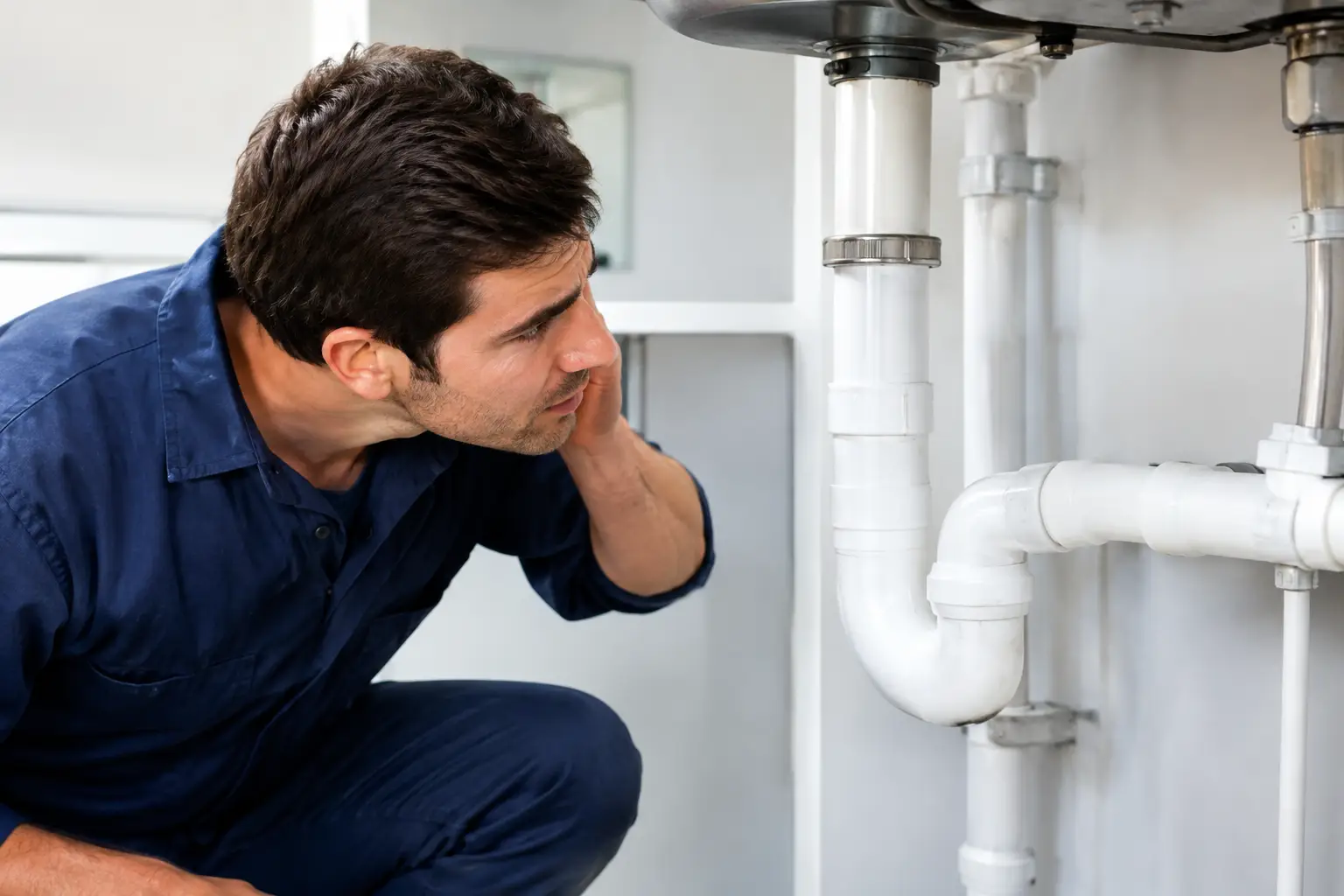
A sharp bang from behind a wall is hard to ignore, especially when it happens every time you shut off the washing machine, dishwasher, or a bathroom faucet. Pipe banging causes can range from a manageable pressure issue to loose piping that needs attention before it damages fittings, valves, or finished walls. The timing and character of the noise offer useful clues.
Not every plumbing sound is an emergency, but repeated banging is not something to accept as normal. A professional inspection can identify the source without guesswork and help prevent a small repair from becoming a leak or water-damage problem.
Common Pipe Banging Causes in a Home
Water hammer after a fast shutoff
Water hammer is one of the most common reasons pipes make a single loud bang. Water has weight and momentum. When a fast-closing valve suddenly stops that moving water, the force has to go somewhere. It travels through the pipe as a pressure shock, creating the familiar thump, bang, or jolt.
This often happens when a toilet finishes filling, an ice maker cycles, a washing machine changes from filling to stopping, or a single-handle faucet is shut off quickly. Modern appliance valves can close much faster than older fixtures, which is why a noise may appear after a new appliance is installed even though the rest of the plumbing has not changed.
A water hammer arrestor can often help, but the correct fix depends on the plumbing layout and the fixture involved. Simply adding a device without confirming the cause may quiet one symptom while leaving high pressure or another issue in place.
Loose pipes moving inside walls or floors
Pipes should be supported so they cannot shift excessively as water moves through them. When a pipe hanger loosens, a strap is missing, or a pipe was installed with too much room around it, the pipe can strike framing, drywall, or another line.
This sound may be more of a repeated knocking than one sharp bang. You may hear it when someone runs a shower, turns on an outdoor spigot, or uses water upstairs. Hot water lines are especially likely to move because the pipe expands as it heats up and contracts as it cools.
The repair may be as simple as securing an accessible pipe with the right support and protective cushion. When the noisy section is behind finished walls, a plumber can narrow down its location before recommending any access work. That matters because opening walls should be a last resort, not the first guess.
Water pressure that is too high
High water pressure puts stress on the entire plumbing system. It can make normal valve closures louder, increase the chance of water hammer, and shorten the service life of supply hoses, toilet fill valves, faucet cartridges, and water heater components.
Many homeowners do not realize they have a pressure issue until they hear banging pipes or find a leaking appliance hose. A pressure reading gives a far more reliable answer than judging the flow from a showerhead. If pressure is consistently high, a pressure-reducing valve may need adjustment, repair, or replacement.
Pressure can also rise when a water heater heats water in a closed plumbing system. As heated water expands, system pressure increases. The proper solution depends on the home’s plumbing configuration and safety components, so this is not a repair to improvise.
Worn or failing valves
A worn toilet fill valve, faucet cartridge, washing machine valve, or appliance solenoid can vibrate or close unpredictably. Instead of a clean shutoff, the component may chatter and send a series of knocks through nearby piping.
Pay attention to whether the sound happens at one fixture only. If the pipes bang when the hall toilet refills but not when any other fixture runs, the toilet’s internal fill valve is a reasonable starting point. If it happens throughout the home, broader pressure or pipe-support issues are more likely.
Air in the plumbing lines
Air can create sputtering faucets, uneven flow, vibration, and occasional knocking. It is more common after plumbing repairs, a utility interruption, work on a well system, or a period when the water supply was shut off.
Running cold water from several fixtures can sometimes clear small amounts of trapped air. However, recurring air in the lines deserves professional attention. It can point to a supply issue, a pump-system concern, or another condition that will not be solved by repeatedly opening faucets.
How to Narrow Down the Source of the Banging
You do not need to take plumbing apart to collect useful information. Start by noticing exactly when the noise occurs. Does it happen when water starts flowing, while it is running, or the instant it stops? Is it tied to hot water, cold water, one appliance, or a particular bathroom?
A few observations will make a service visit more efficient:
- Note the fixture or appliance that triggers the bang.
- Listen for a single thump, rapid rattling, or a steady vibration.
- Check whether the noise occurs on hot water, cold water, or both.
- Look under sinks and around the water heater for moisture, corrosion, or loose supply lines.
If an exposed pipe is visibly moving or striking a surface, do not try to wedge it in place with random materials. Improper supports can rub through pipe, interfere with expansion, or conceal a leak. Likewise, do not disable a water heater safety component or turn adjustment screws on pressure equipment without knowing the system conditions.
When Banging Pipes Need Prompt Plumbing Service
A single mild knock may not require an urgent response, but loud or worsening banging should be checked soon. The risk is not only the noise itself. Repeated pressure shock and pipe movement can strain joints, loosen connections, and damage fixture valves over time.
Arrange a plumbing inspection promptly if the banging is accompanied by leaking, a sudden drop in water pressure, discolored water, visible pipe movement, or a water heater relief valve that is releasing water. Also call for help if the sound begins after a major plumbing repair, appliance installation, or a change to your home’s water supply.
If you find active flooding, shut off the water at the nearest fixture valve if possible. If the leak cannot be isolated, use the home’s main water shutoff and contact a qualified plumber. Knowing where that main shutoff is located is worthwhile before a plumbing problem forces a rushed search.
What a Professional Diagnosis Should Include
Effective repairs begin with finding the actual source of the sound. A qualified plumber may test water pressure, inspect accessible piping and supports, check appliance and fixture valves, and look for signs of thermal expansion or worn components. In some cases, diagnostic equipment helps locate a problem in concealed piping without unnecessary disruption.
The recommended repair should match the cause. Water hammer may call for an arrestor, a valve repair, or pressure correction. Loose lines may need secure supports and protective insulation where pipes pass through framing. A failing fill valve may only require a targeted fixture repair. This is why a one-size-fits-all answer rarely works.
For homeowners in Raleigh and nearby communities, Delta Heating, Cooling & Plumbing can assess noisy pipes, explain the findings in plain language, and provide clear pricing before work begins. A professional evaluation is especially helpful when the sound is frequent, hard to locate, or paired with changes in water pressure.
Preventing Future Pipe Noise
Once the immediate issue is fixed, a few habits can reduce the chance of repeat problems. Have water pressure checked as part of routine plumbing maintenance, replace aging appliance hoses before they fail, and address dripping or slow-filling fixtures rather than waiting for them to worsen. If you are renovating, ask that piping be properly supported and protected where it passes through framing.
A quiet plumbing system should stay mostly unnoticed. When a new bang, rattle, or vibration starts demanding attention, treat it as your home’s early warning and get a clear answer before it has the chance to become a larger repair.