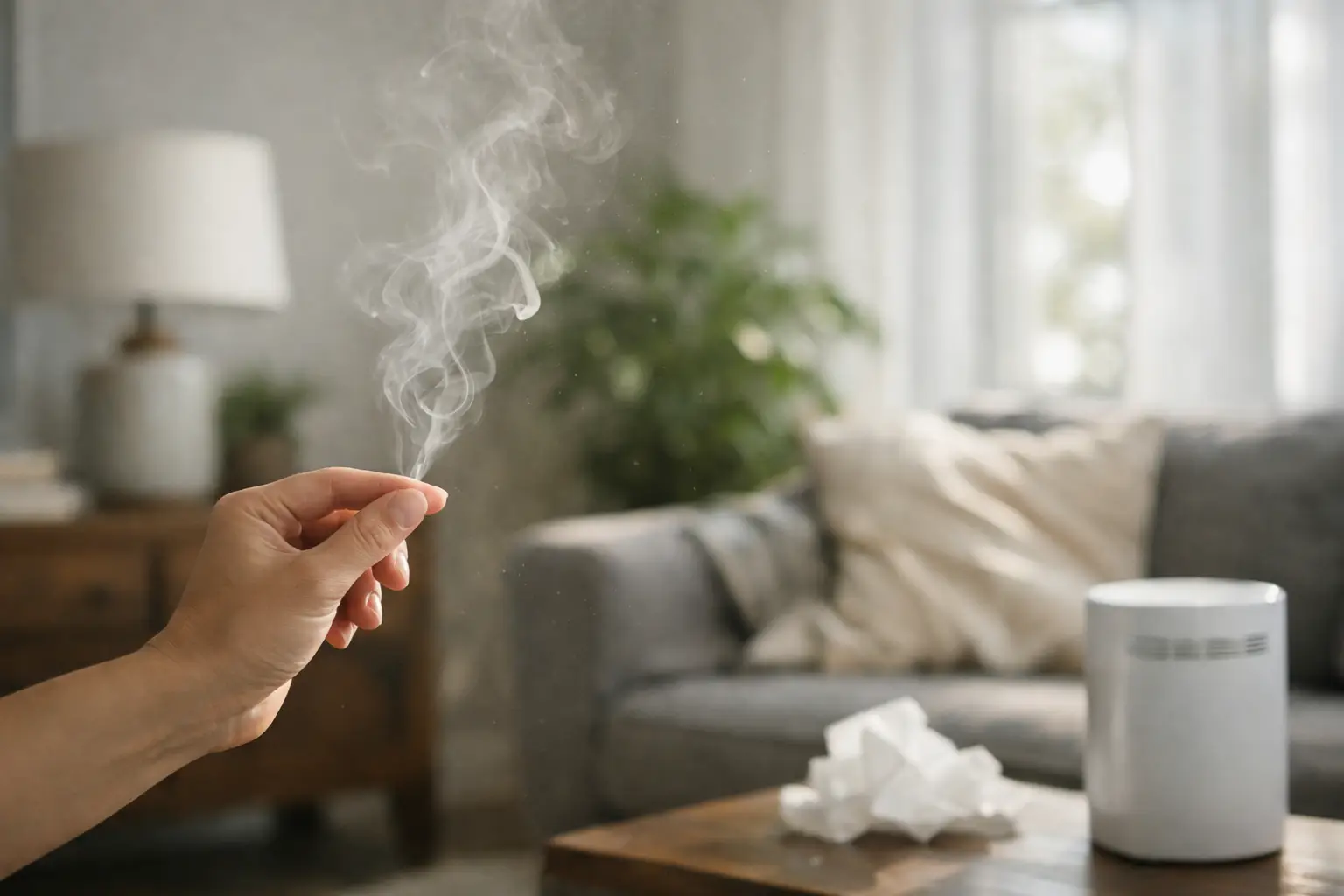
Your home can feel cool and still feel wrong. Maybe the air seems stale by afternoon, dust returns right after cleaning, or someone wakes up congested and feels better after leaving the house. Indoor air quality is often the missing piece behind those everyday comfort complaints, especially during North Carolina’s long cooling season when homes stay closed up and air conditioners run hard.
The good news is that not every air-quality concern requires a major upgrade. Some are solved with better maintenance or humidity control. Others point to a filtration, ventilation, duct, or equipment issue worth diagnosing before it affects comfort, health, or HVAC performance.
What Affects Indoor Air Quality at Home?
Indoor air is a mix of outdoor air, household activity, and whatever your HVAC system circulates. In Raleigh-area homes, humidity is a major factor. When moisture remains too high indoors, it can create a sticky feeling, encourage mold growth, and make odors linger. When humidity is too low during heating season, dry skin, irritated sinuses, and static electricity can become more noticeable.
Particles matter, too. Dust, pollen, pet dander, cooking residue, and fibers from carpets or upholstery can circulate through living spaces. A standard HVAC filter catches some airborne particles, but its effectiveness depends on the filter type, how well it fits, and whether it is changed on schedule. A clogged filter can restrict airflow and put unnecessary strain on the system without doing a better job of cleaning the air.
Volatile organic compounds, or VOCs, are another possible source of odors and irritation. Paints, cleaning products, air fresheners, new furniture, and stored chemicals can release gases into the air. The answer is not always to buy more products marketed as air cleaners. Often, reducing the source and improving ventilation are more useful first steps.
Signs Your Home May Have an Air-Quality Problem
A single sneeze or dusty shelf does not automatically mean there is an indoor air problem. Look instead for patterns that continue over time or show up in more than one room.
You may notice persistent musty or stale odors, uneven humidity, visible dust near supply vents, frequent allergy-like symptoms at home, or condensation on windows. Rooms that feel stuffy even when the thermostat is set correctly can also signal poor airflow or inadequate ventilation. If the air conditioner runs but the home still feels damp, the system may be oversized, improperly operating, or unable to remove moisture effectively under current conditions.
Pay attention to timing. If symptoms become worse when the HVAC system starts, a dirty filter, dirty equipment, or ductwork concern could be part of the picture. If the issue appears after showers, cooking, or laundry, exhaust ventilation and moisture management deserve a closer look. A careful diagnosis matters because the same symptom can have several causes.
Moldy smells deserve prompt attention
A mildew-like odor should not be covered up with fragrance. It can come from damp building materials, a plumbing leak, a poorly ventilated bathroom, a clogged condensate drain, or microbial growth near HVAC components. The source needs to be found and corrected. Cleaning a visible area may help temporarily, but moisture will continue the problem if it remains.
If you see substantial visible mold, have had a significant water event, or suspect contamination inside walls or ceilings, specialized assessment may be appropriate. HVAC improvements can support healthier air, but they are not a substitute for repairing water damage.
Start With the Simple, High-Value Fixes
Homeowners can improve many air-quality issues with a few consistent habits. Replace HVAC filters according to the system’s needs, not just when they look dirty. In homes with pets, heavy pollen exposure, frequent remodeling dust, or family members with allergies, filters may need attention more often. Always use the filter size and rating recommended for your equipment. A very restrictive filter is not automatically better if it reduces airflow beyond what the system can handle.
Keep supply and return vents open and clear of furniture, rugs, and drapes. Closed vents can throw off airflow balance and may make certain rooms feel uncomfortable. Vacuum regularly with a well-maintained vacuum, use kitchen and bathroom exhaust fans during moisture-producing activities, and make sure those fans actually vent outdoors rather than into an attic or enclosed space.
It also helps to manage what enters the home. Place doormats at exterior doors, remove shoes when practical, store chemicals away from living areas, and choose lower-odor products when possible. During high-pollen days, keeping windows closed can reduce outdoor particles indoors, although fresh-air ventilation still has a role in a healthy home.
How Your HVAC System Supports Better Air
Your HVAC system does more than heat and cool. It moves, filters, and dehumidifies air throughout the home. When it is maintained properly, it can be one of the strongest tools for improving everyday comfort.
During a professional maintenance visit, a technician can inspect the filter setup, blower operation, evaporator coil, drain system, refrigerant performance, and airflow. These details affect how well an air conditioner removes humidity and how consistently conditioned air reaches each room. A blocked drain line or dirty coil, for example, can contribute to moisture issues while also reducing efficiency.
Ductwork can be part of the evaluation, but it is not always the first answer. Leaky, damaged, disconnected, or poorly insulated ducts can pull in dust from attics or crawlspaces and waste conditioned air. On the other hand, duct cleaning alone will not correct a humidity problem, an active leak, or poor filtration. The right recommendation depends on what an inspection finds.
Indoor Air Quality Solutions: Choose for the Problem
Air-quality equipment works best when it is selected for a specific need rather than added as a catch-all solution. A whole-home dehumidifier may make sense for a persistently damp home, especially if the air conditioner cannot maintain comfortable humidity without overcooling the rooms. Better filtration may benefit a household dealing with high dust levels, pets, or seasonal allergies, provided the HVAC system can support it.
Some homes benefit from air-cleaning technology designed to reduce certain airborne particles or contaminants. Others need improved ventilation to exchange stale indoor air with filtered outdoor air in a controlled way. These options have trade-offs involving installation space, maintenance, electricity use, replacement parts, and upfront cost. A good recommendation should explain what the equipment is intended to address, what maintenance it requires, and what results are realistic.
For example, no air cleaner can fix a hidden plumbing leak. No dehumidifier can make up for an air conditioner that is failing or improperly sized. And no filter eliminates the need for routine housekeeping. Effective indoor air quality plans usually combine source control, moisture control, filtration, ventilation, and dependable HVAC maintenance.
When to Call a Professional
Call for an HVAC evaluation when your home has ongoing musty odors, uncomfortable humidity, weak airflow, repeated drain-line issues, or rooms that never seem to feel fresh or balanced. It is also wise to ask before installing a high-efficiency filter or whole-home air-quality product on your own. What works well in one system can create airflow problems in another.
A qualified technician should start by listening to what you are experiencing, then inspect the system and explain the findings in plain language. Delta Heating, Cooling & Plumbing helps homeowners identify practical next steps with trained technicians, clear pricing, and recommendations based on the home rather than a one-size-fits-all sales pitch.
Cleaner, more comfortable air rarely comes from one dramatic change. It comes from noticing the patterns in your home, correcting the cause, and giving the systems that protect your comfort the attention they need.