A plumbing problem rarely waits for a convenient moment. A toilet that will not stop running can waste hundreds of gallons, a small leak can damage flooring before it is visible, and a cold shower can turn a normal morning into a scramble. When you need Greenville, NC Plumbing Repair, knowing the difference between a minor issue and an urgent repair helps protect your home, your water supply, and your budget.
The right response is not always to replace a fixture or tear into a wall. Many plumbing problems have a specific, repairable cause. The key is getting a clear diagnosis, understanding your options, and acting before water or drainage issues spread.
Start With the Signs You Can See
Homeowners often notice the symptom first, not the source. A slow drain, damp cabinet floor, low water pressure, or unusual water heater noise may seem manageable at first. In some cases, it is. In others, it is an early warning that a pipe, valve, drain line, or appliance needs professional attention.
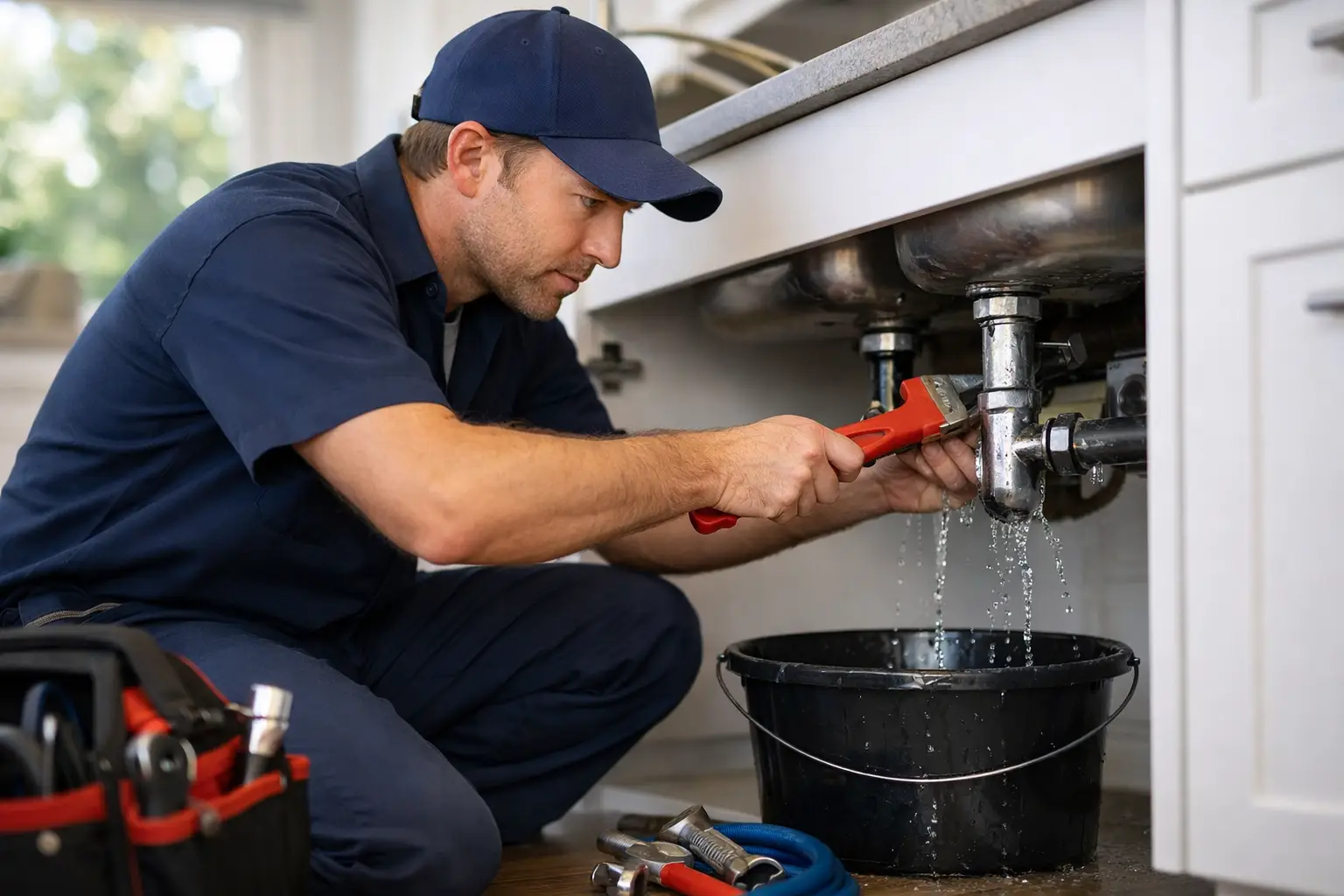
A dripping faucet may need a worn internal component replaced. Water collecting below a sink could come from a loose connection, a failing shutoff valve, or a crack in the drain assembly. If the moisture returns after you dry the area, do not assume it is harmless. Repeated moisture can damage cabinetry, encourage mold growth, and affect nearby flooring.
Pay attention to changes that happen suddenly. One slow bathroom sink may be a localized clog. Several slow drains, gurgling toilets, or water backing up in a tub when another fixture runs can point to a larger drain or sewer line concern. That is the point where repeated store-bought drain cleaners are more likely to create frustration than solve the real issue.
When Greenville, NC Plumbing Repair Is Urgent
Water does not need to be pouring through a ceiling to require fast action. A repair becomes urgent when there is active flooding, sewage backup, a suspected gas leak, no usable water, or a water heater that is leaking significantly. In these situations, your first job is limiting damage and keeping everyone safe.
If a fixture or supply line is leaking, turn off the nearest shutoff valve if you can reach it safely. For a larger leak, use the home’s main water shutoff. Homeowners should know where this valve is before an emergency happens. It is often near the water meter, where the main line enters the house, or in a utility area.
For a suspected gas leak, leave the home, avoid switches, flames, and electronics, and contact the appropriate emergency resource from a safe location. Do not try to locate or repair a gas line yourself.
A sewage backup also deserves immediate attention. Keep children and pets away from the affected space, avoid using plumbing fixtures, and do not attempt to clear the blockage with chemicals. Wastewater can carry contaminants, and a technician needs to identify whether the issue is in a branch drain, the main line, or another part of the system.
Drain Problems Need More Than a Temporary Fix
A plunger is useful for a simple toilet clog. A sink strainer can prevent hair and debris from entering a bathroom drain. Beyond that, DIY methods have limits.
Chemical drain openers can be especially risky when used repeatedly. They may not reach the blockage, can sit in pipes without clearing the drain, and may complicate a later repair. They are also not a solution for roots, a damaged sewer line, heavy grease buildup, or an object lodged farther down the drain.
Professional drain cleaning is based on what is actually blocking the line. A technician may use mechanical equipment to remove a clog or hydro jetting to clean accumulated buildup from suitable pipes. When symptoms suggest a deeper issue, camera-assisted diagnostics can show what is inside the line. That can reveal root intrusion, pipe damage, offsets, or recurring buildup without relying on guesswork.
The best method depends on the pipe material, the blockage location, and the condition of the line. A quick opening may restore drainage, but a camera inspection can be the smarter next step when clogs keep coming back.
Leaks Can Hide in More Places Than You Think
Not all plumbing leaks leave a puddle in plain sight. A hidden leak may show up as an unexplained increase in water use, a warm spot on a floor, peeling paint, a mildew smell, or discoloration on a wall or ceiling. Some homeowners first hear the clue: water running or a toilet refilling when no one is using a fixture.
Checking your water meter can provide useful information. Turn off faucets, ice makers, irrigation, and water-using appliances, then watch whether the meter continues to move. Movement can indicate a leak, though locating it requires further testing.
Leak detection equipment helps narrow down the source without opening walls or floors unnecessarily. Once the leak is identified, the repair may be as straightforward as replacing a connection or valve. In other cases, a damaged section of pipe, water line, or drain line needs repair or replacement. A qualified technician should explain the scope, access needs, and expected cost before work begins.
Water Heater Repairs Deserve Prompt Attention
A water heater usually gives warning signs before it stops working completely. Lukewarm water, inconsistent temperatures, discolored hot water, rumbling sounds, visible corrosion, or moisture around the unit all deserve attention.
Some issues are repairable, such as a failing heating component, thermostat issue, pressure-related concern, or worn valve. Other situations may make replacement the more practical choice, particularly if the unit is older, leaking from the tank itself, or requiring frequent repairs. The right recommendation depends on the condition of the equipment, the household’s hot-water demand, and the cost of repair compared with replacement.
Do not ignore a leaking water heater. Even a slow leak can become a larger water damage problem. Avoid adjusting gas connections or electrical components yourself. A professional can evaluate the equipment safely and help you understand whether repair, replacement, or a tankless upgrade makes the most sense for your home.
What a Professional Plumbing Visit Should Feel Like
A good plumbing repair visit should replace uncertainty with a clear plan. The technician should listen to what you have noticed, inspect the affected area, and use appropriate diagnostic tools before recommending a repair. You should understand what caused the problem, what work is needed now, and whether there are options to consider.
Transparent pricing matters because plumbing decisions often happen under pressure. Whether you are dealing with a clogged main line, a failed water heater, or a suspected leak, ask what is included in the estimate and whether the repair addresses the root cause. For major recommendations, a free second opinion can provide added confidence before you approve the work.
Delta Heating, Cooling & Plumbing helps Greenville homeowners address plumbing problems with trained technicians, advanced diagnostic equipment, and straightforward communication. The goal is not simply to get water moving again. It is to make sure the repair fits the condition of your home’s plumbing system.
Small Habits That Help Prevent Bigger Repairs
No home can avoid every plumbing problem, but a few routine habits can reduce avoidable service calls. Keep grease, coffee grounds, and food scraps out of kitchen drains. Use strainers in showers and sinks. Do not flush wipes, paper towels, or hygiene products, even when packaging suggests otherwise.
It also helps to periodically look beneath sinks, around toilets, and near the water heater for moisture or corrosion. Test shutoff valves occasionally so they are more likely to work when needed. If you have well equipment or a pump, changes in pressure, cycling, or water quality should be evaluated early.
The fastest path to a manageable repair is usually early action. When a drain slows repeatedly, water appears where it should not, or hot water becomes unreliable, schedule service before a small disruption turns into damage that reaches beyond the plumbing itself.